Build a Large-Scale HMS Victory Model – Step-by-Step Guide
Why Build a Large-Scale HMS Victory Model?
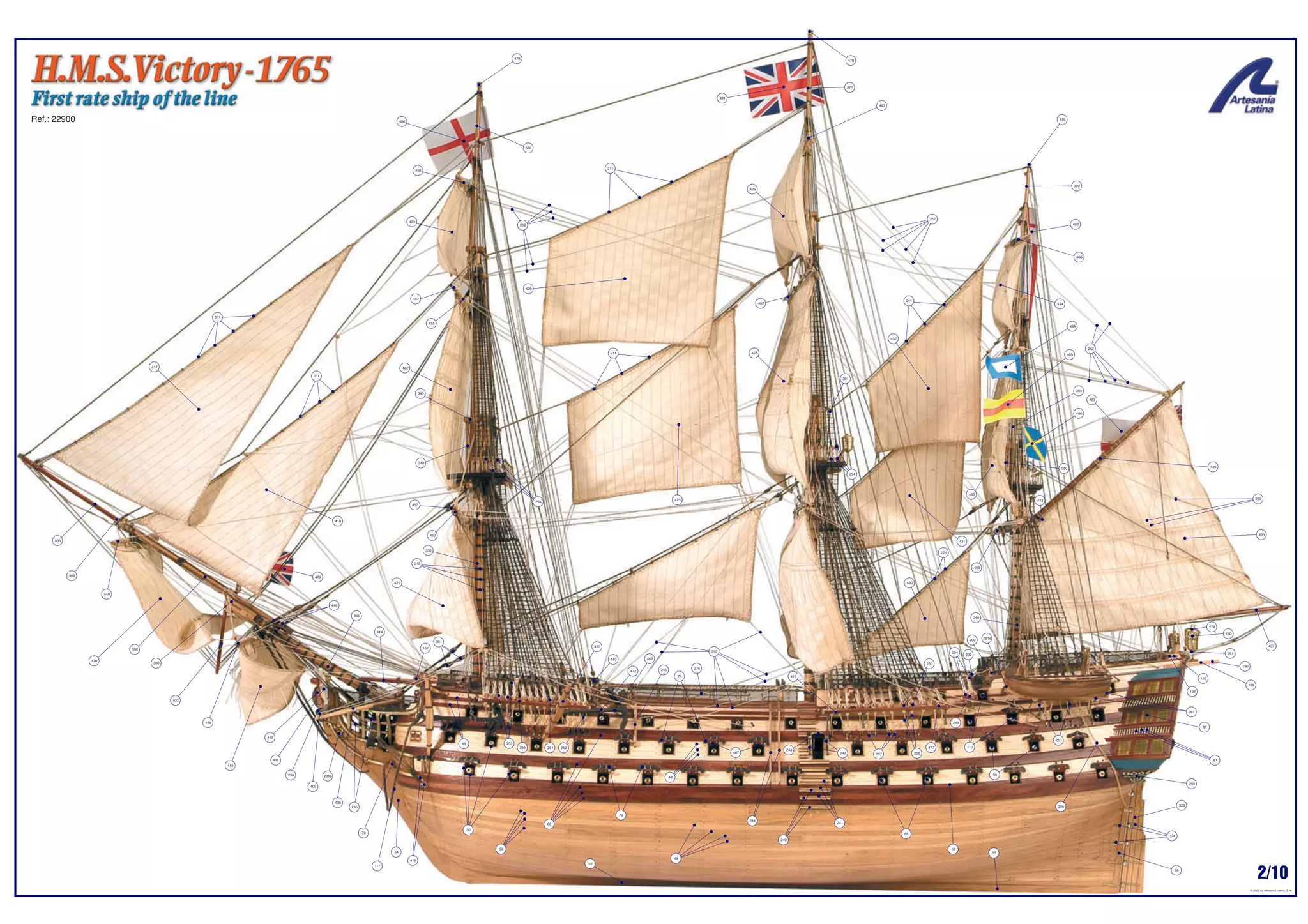
For many naval‑history fans, the HMS Victory isn’t just a ship; it’s a symbol of British seafaring heritage. Translating that legacy into a large-scale HMS Victory model lets you hold a piece of history in your hands, and the building process itself can be a rewarding blend of research, craftsmanship, and patience. Whether you’re a seasoned modeler or a hobbyist looking for a serious project, the sheer size of a large‑scale replica offers space for intricate details that smaller kits simply can’t accommodate.
Planning Your Project
Before the first plank goes on the bench, a solid plan saves countless hours later. Start by deciding on a scale—1:48 (three‑inch) and 1:72 (quarter‑inch) are popular for ship models because they balance detail with manageable size. Sketch a rough timeline: research, material procurement, hull construction, deck work, rigging, painting, and final assembly. Allocate budget for quality wood, brass fittings, and paints; a realistic estimate for a full‑size model can easily run into the several hundreds of dollars.
Gathering Materials and Tools
- Wood: Baltic birch plywood for the hull, basswood for delicate fittings.
- Adhesives: Titebond II wood glue and a few drops of epoxy for structural joints.
- Tools: Fine‑toothed saws, a Dremel rotary tool, clamps, sandpaper ranging from 120 to 400 grit, and a small airbrush for the final coat.
- Hardware: Brass nails, tiny iron rivets, and miniature cannons (often sold as kit accessories).
Don’t forget a good set of reference images—plans from the National Maritime Museum, shipyard drawings, and high‑resolution photos of the real Victory are indispensable.
Constructing the Hull
The hull is the backbone of any ship model, and building it correctly sets the stage for everything else. Begin by cutting the sheer line template from your plans and transferring it onto the plywood. Use a jigsaw to cut the outer shape, then sand the edges smooth. For a large‑scale model, you’ll likely need to assemble the hull in sections—keel, frames, and planking.
Attach the frames to the keel with glue, ensuring each is square and true to the plan’s dimensions. Once the frame skeleton is solid, start the planking. Thin strips of basswood work well; glue each plank on, alternating grain direction to add strength. After the planking dries, sand the entire hull to a uniform curve, checking frequently with a flexible curve ruler.
Adding the Decks and Details
With the hull dry, turn your attention to the decks. Cut deck plates from ¼‑inch plywood and fit them onto the hull, leaving openings for the gun ports and hatches. Brass nails can secure the decks, but a dab of epoxy around each nail head prevents loosening over time.
Next come the ship’s iconic features: cannons, railings, and the quarterdeck. Miniature cannons can be purchased pre‑cast, or you can craft them from brass rod and wood. For railings, thin brass strips bent to shape add authenticity without excessive weight. Don’t forget the ship’s figurehead—carving a small wooden sculpture or buying a pre‑made one brings the bow to life.
Rigging the Masts
The Victory’s three towering masts are perhaps the most visually striking elements. Use dowel rods for the lower masts and taper them gradually for the top sections. Secure each section with a small brass collar and glue. Once the masts stand, attach the yards, booms, and rigging lines. Synthetic rope is easier to work with than natural fibers, yet it mimics the look of hemp when painted with a light tan.
Remember to balance the weight—heavy masts can warp the hull over time. Adding tiny lead weights at the base of each mast can improve stability.
Painting and Finishing Touches
Painting is where the model truly becomes a replica. Start with a thin primer coat to seal the wood, then apply a base color—historical sources suggest a dark oak for the hull and a muted tan for the deck. Use an airbrush for smooth gradients on the hull and a fine brush for details like gun ports and brass fittings.
After the base coat dries, add weathering effects: a light wash of burnt umber to simulate age, and a few specks of rust on metal parts. Finally, seal everything with a clear matte varnish to protect the paint and give the model a realistic sheen.
Tips for Success
- Work in a well‑ventilated space—especially when using epoxy and spray paints.
- Label each hull section and deck piece as you cut them; it saves time during assembly.
- Test fit all components before gluing; tiny adjustments are much easier before the adhesive sets.
- Take regular photos of your progress. They’re handy references if you need to backtrack.
- Patience pays off—rushing the drying times of glue or paint often leads to cracks later.
Frequently Asked Questions
What scale provides the best balance of detail and size?
Most modelers favor 1:48 for large ships like the Victory. It offers enough surface area for intricate rigging and cannon details while keeping the overall dimensions manageable for a home workshop.
Can I use pine instead of Baltic birch for the hull?
Birch is preferred because it’s stable and resists warping, but high‑quality pine works if you keep the hull thickness consistent and seal all joints promptly.
How long does a project of this size typically take?
Expect anywhere from 80 to 150 hours of work, depending on your experience level and how much detailing you pursue. Breaking the work into weekly sessions helps maintain momentum without burnout.
Do I need a dedicated workspace for this build?
A dedicated table with good lighting and ample room for the partially assembled hull is ideal. Keeping tools and small parts organized in trays prevents loss and speeds up the build.