What the West Malaysia Diocese Synod Is—and Why It Matters
Understanding the Synod’s Role
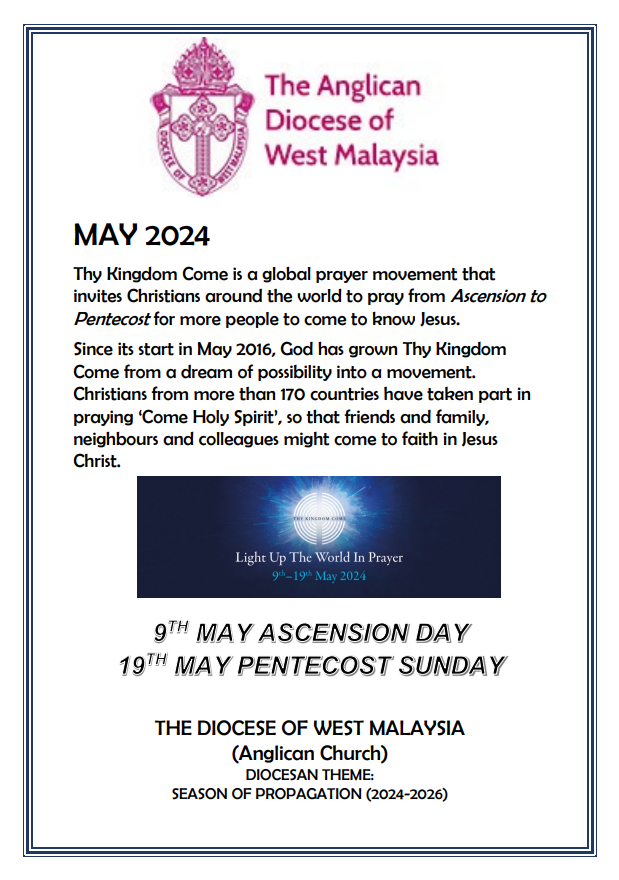
The West Malaysia Diocese Synod is the chief governing body of the Anglican Diocese of West Malaysia, a constituent of the Church of the Province of South East Asia. In plain terms, it functions like a board of directors for the diocese, setting policy, approving budgets, and guiding the spiritual direction of its churches.
Its decisions affect everything from clergy appointments to community outreach programs, so a clear grasp of how the Synod works helps laypeople and clergy alike stay informed about the life of the church.
Who Makes Up the Synod?
The Synod is a mix of clergy and laity, reflecting the Anglican commitment to shared leadership. Its typical composition includes:
- All licensed priests and deacons within the diocese.
- Representatives elected from each parish council.
- Members appointed by the Bishop to bring expertise in finance, education, or mission work.
Each member holds a vote, though the Bishop retains a casting vote in case of a tie. This balance ensures that both spiritual and practical perspectives shape the diocese’s trajectory.
How the Synod Operates
Meetings are usually held twice a year—once in the spring and again in the autumn. An agenda is circulated weeks in advance, allowing participants to prepare reports, motions, or questions.
During a session, items are debated, amended, and finally voted on. Simple majority rules apply to most matters, but constitutional changes require a two‑thirds majority. Minutes are recorded verbatim and posted on the diocese’s website for transparency.
Key Decisions That Ripple Through the Community
While some resolutions seem administrative, many have a direct impact on parish life. Common decision areas include:
- Clergy appointments: The Synod confirms the Bishop’s nominations for new priests, ensuring that each congregation receives appropriate pastoral leadership.
- Financial stewardship: Annual budgets allocate funds for clergy stipends, building maintenance, and mission initiatives across West Malaysia.
- Mission strategy: Plans for evangelism, youth ministry, and social justice projects are vetted and approved, shaping how the church engages with broader society.
When the Synod adopts a new youth outreach program, for example, individual churches receive guidelines and resources to implement it locally, creating a coordinated effort across the region.
Recent Highlights
In the latest session, the Synod approved a three‑year strategic plan focused on digital evangelism. Recognising the rise of online worship during the pandemic, the plan earmarks funds for streaming equipment, training workshops, and a diocesan app to connect believers.
Another notable outcome was the revision of the diocese’s safeguarding policy. After consulting experts, the Synod introduced stricter reporting procedures and mandatory training for all clergy and lay leaders, reinforcing the church’s commitment to protecting vulnerable members.
How Clergy and Laity Can Participate
If you’re a parishioner curious about influencing the Synod’s direction, start by engaging with your local council. Councils elect representatives to the diocesan level, so active participation there is the most direct route.
Clergy members often submit reports on parish health, mission outcomes, and financial status. These reports become discussion points at the Synod, so preparing thoughtful, data‑rich updates can shape broader policy.
Frequently Asked Questions
What is the difference between a diocesan synod and a parish council?
A parish council manages the affairs of a single congregation, while the diocesan synod oversees the entire diocese, coordinating resources, doctrine, and mission across all its parishes.
How often can a layperson attend a synod meeting?
All synod meetings are open to members of the diocese. Lay attendees must register in advance, usually through their parish council, to ensure seating and voting rights.
Can the Synod overturn a decision made by the Bishop?
Yes, the Synod holds constitutional authority to amend or reject proposals from the Bishop, though such actions typically require a two‑thirds majority and are exercised sparingly.
Where can I find the Synod’s minutes and upcoming agenda?
The diocese posts official minutes, agendas, and related documents on its website under the “Synod” section, updating them shortly after each session.