One‑Way vs Contraflow: Understanding the Key Differences
When you hear traffic engineers talk about One‑Way vs Contraflow, the distinction can feel a bit hazy, especially if you’ve only seen the signs from a driver’s seat. Both concepts shape how vehicles move through a city, yet they serve different purposes and come with their own sets of rules. In this article we’ll break down what each term really means, where you’re likely to encounter them, and why the choice matters for safety, efficiency, and urban planning.
Defining One‑Way Streets
A one‑way street permits traffic to travel in a single direction only. The rule applies to the entire roadway, from one end to the other, regardless of how many lanes the street has. Typical signage includes a black arrow pointing the allowed direction, often accompanied by “ONE‑WAY” in bold letters.
One‑way designs are common in dense downtown cores, historic districts with narrow streets, or areas where turning movements would otherwise cause gridlock. By eliminating opposing traffic, a city can:
- Increase lane capacity for the chosen direction.
- Reduce conflict points at intersections.
- Allow for smoother pedestrian crossing zones.
However, one‑way streets can also extend travel distances for drivers who need to go the opposite way, sometimes leading to higher emissions if routes become indirect.
What Contraflow Means
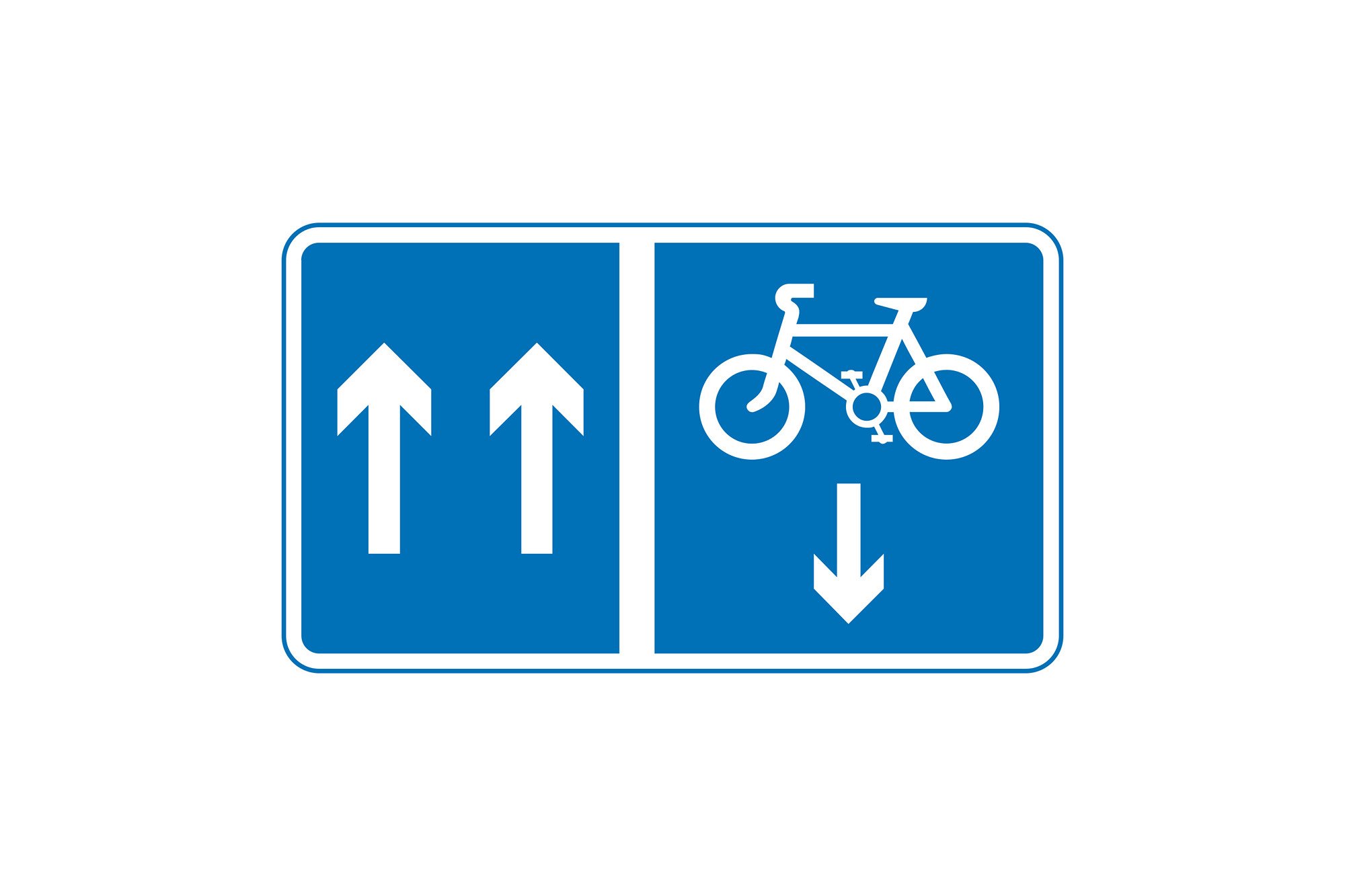
Contraflow refers to a lane—or a set of lanes—that runs opposite to the surrounding traffic flow. Unlike a one‑way street, contraflow lanes are embedded within a larger, typically two‑way roadway. The most familiar example is a contraflow bus lane, where buses travel against regular traffic to bypass congestion.
Other applications include:
- Bike lanes that allow cyclists to ride against the flow of cars on a busy avenue.
- Emergency‑vehicle-only lanes that let responders cut through traffic during peak hours.
- Temporary contraflow setups during construction or special events, redirecting traffic around a blocked section.
Because contraflow lanes share the road surface with opposing traffic, they demand clear markings, separate signage, and often physical barriers to avoid confusion.
Key Differences at a Glance
While both concepts influence directionality, the core distinctions are:
- Scope: One‑way affects the entire street; contraflow targets specific lanes within a road.
- Purpose: One‑way simplifies overall traffic flow; contraflow creates shortcuts or priority for certain users.
- Implementation: One‑way requires changing the direction of all vehicles; contraflow involves selective lane reversal and often additional signage.
When Cities Choose One‑Way Over Contraflow
Urban planners may favor a full one‑way conversion when a street’s geometry makes two‑way operation hazardous—think narrow sidewalks, limited sightlines, or high pedestrian density. By dedicating the entire width to a single direction, they can widen sidewalks, add bike lanes, or install curbside parking without compromising traffic safety.
Conversely, contraflow is attractive when a city wants to preserve two‑way access for most vehicles but still needs to prioritize certain modes. For example, a downtown corridor might keep cars moving both ways while granting buses a dedicated contraflow lane to keep public transit on schedule.
Safety Considerations
Both designs aim to reduce conflict points, yet they do so differently. One‑way streets eliminate head‑on collisions on that stretch, but they can increase turning conflicts at intersections. Contraflow lanes, if poorly marked, can become a source of driver surprise, especially for out‑of‑town visitors.
Best practices for safety include:
- High‑visibility pavement markings and reflective signage for contraflow lanes.
- Consistent arrow signage at the start and end of contraflow sections.
- Regular public awareness campaigns whenever a new contraflow lane opens.
- Clear “One‑Way” signs placed well before the street begins, giving drivers time to adjust.
Impact on Traffic Flow and Travel Time
Studies in several European cities have shown that converting a short, congested segment to one‑way can shave up to 15 % off average travel times during peak periods. The benefit comes from fewer stop‑and‑go situations and smoother signal coordination.
Contraflow lanes, particularly for buses and bicycles, often produce a different kind of gain: they improve the reliability of alternative transport modes without drastically altering car traffic patterns. In a pilot program in Melbourne, a contraflow bus lane cut bus travel times by roughly 20 % during rush hour, while car speeds remained largely unchanged.
Examples from Around the World
In New York City, the famous “One‑Way” avenues of Manhattan (like 5th Avenue southbound) illustrate how a grid can function efficiently with alternating one‑way streets. Meanwhile, London’s “Cycle Superhighway” 7 employs a contraflow bike lane that lets cyclists travel against the flow of cars on a busy thoroughfare, showcasing how contraflow can promote sustainable travel.
Another striking case is the temporary contraflow on the San Francisco Bay Bridge during construction. By reversing two lanes to the opposite direction, engineers maintained traffic capacity without adding new infrastructure.
Design and Signage Essentials
Effective signage is the linchpin of both systems. For one‑way streets, a simple black arrow on a white background, reinforced by “ONE‑WAY” lettering, suffices. Contraflow lanes require more nuanced cues:
- Direction arrows painted directly on the pavement.
- Colored lane markings (often red or green) to differentiate from regular traffic.
- Supplementary signs stating “BUS ONLY – CONTRAFLOW” or “BIKE LANE – OPPOSITE DIRECTION”.
- Physical dividers where space allows, especially for high‑speed roads.
Consistency across a network prevents driver confusion and improves compliance.
Future Trends
As cities push toward multimodal transportation, contraflow lanes are gaining popularity for cyclists and electric scooters. Simultaneously, advances in traffic‑management software enable dynamic one‑way conversions that can change direction based on time of day, a concept already trialed in parts of Seoul.
These innovations hint at a future where the line between one‑way and contraflow blurs, giving municipalities the flexibility to adapt road usage in real time.
Frequently Asked Questions
Is a contraflow lane safer than a regular lane?
Safety depends largely on clear markings and driver awareness. Properly designed contraflow lanes can be as safe as regular lanes, but inadequate signage or sudden lane reversals increase risk.
Can a one‑way street be converted back to two‑way?
Yes, many municipalities periodically review street configurations. If traffic patterns change or community feedback suggests a two‑way setup would improve access, the road can be re‑opened to traffic in both directions.
Do contraflow lanes apply to trucks?
Typically, contraflow lanes are reserved for buses, bicycles, or emergency vehicles. However, some cities allow certain classes of trucks to use contraflow lanes during off‑peak hours, provided they meet size and weight restrictions.
How do navigation apps handle one‑way and contraflow routes?
Modern GPS platforms incorporate up‑to‑date road network data, automatically routing around one‑way restrictions and recognizing contraflow lanes where they are designated as preferred for specific vehicle types.