Tracing Sacramento’s Past: From River Town to State Capital
Indigenous Foundations
Long before settlers laid down streets, the area that would become Sacramento was home to the Nisenan and Maidu peoples. They fished the Sacramento River’s abundant salmon runs and cultivated wild grasses in the floodplain, creating a sustainable rhythm that defined the valley for millennia. Archaeological sites reveal seasonal villages, trading pathways, and ceremonial grounds—reminders that the city’s story began far earlier than any European map.
The Gold Rush Catalyst
1848 turned the quiet riverbank into a feverish crossroads. News of gold at Sutter’s Mill spread like wildfire, and prospectors surged eastward, flooding the region with an eclectic mix of hopeful miners, entrepreneurs, and opportunists. In 1849 a makeshift settlement called “Sacramento City” sprouted at the confluence of the Sacramento and American Rivers, strategically positioned for transport and trade.
Within months, the population ballooned to several thousand. Wooden storefronts, saloons, and a rudimentary courthouse sprang up, all constructed hastily from local timber. The influx of wealth funded the first municipal services—water wells, fire brigades, and a fledgling police force—setting the groundwork for a permanent community.
From River Town to State Capital
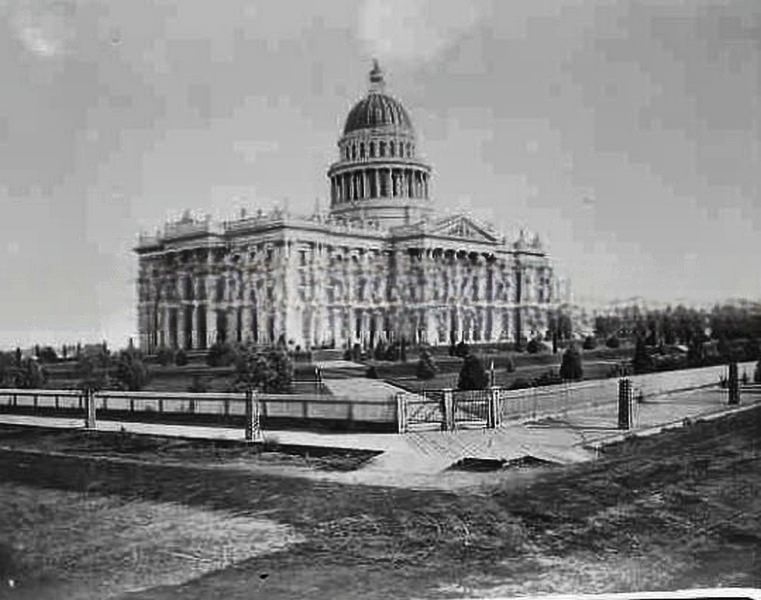
California’s admission to the Union in 1850 sparked a scramble to locate the state capital. Sacramento, already bustling with commerce and boasting a natural harbor on the river, emerged as a strong contender. After a contentious vote, the legislature convened in the newly completed State Capitol building in 1854, cementing Sacramento’s political destiny.
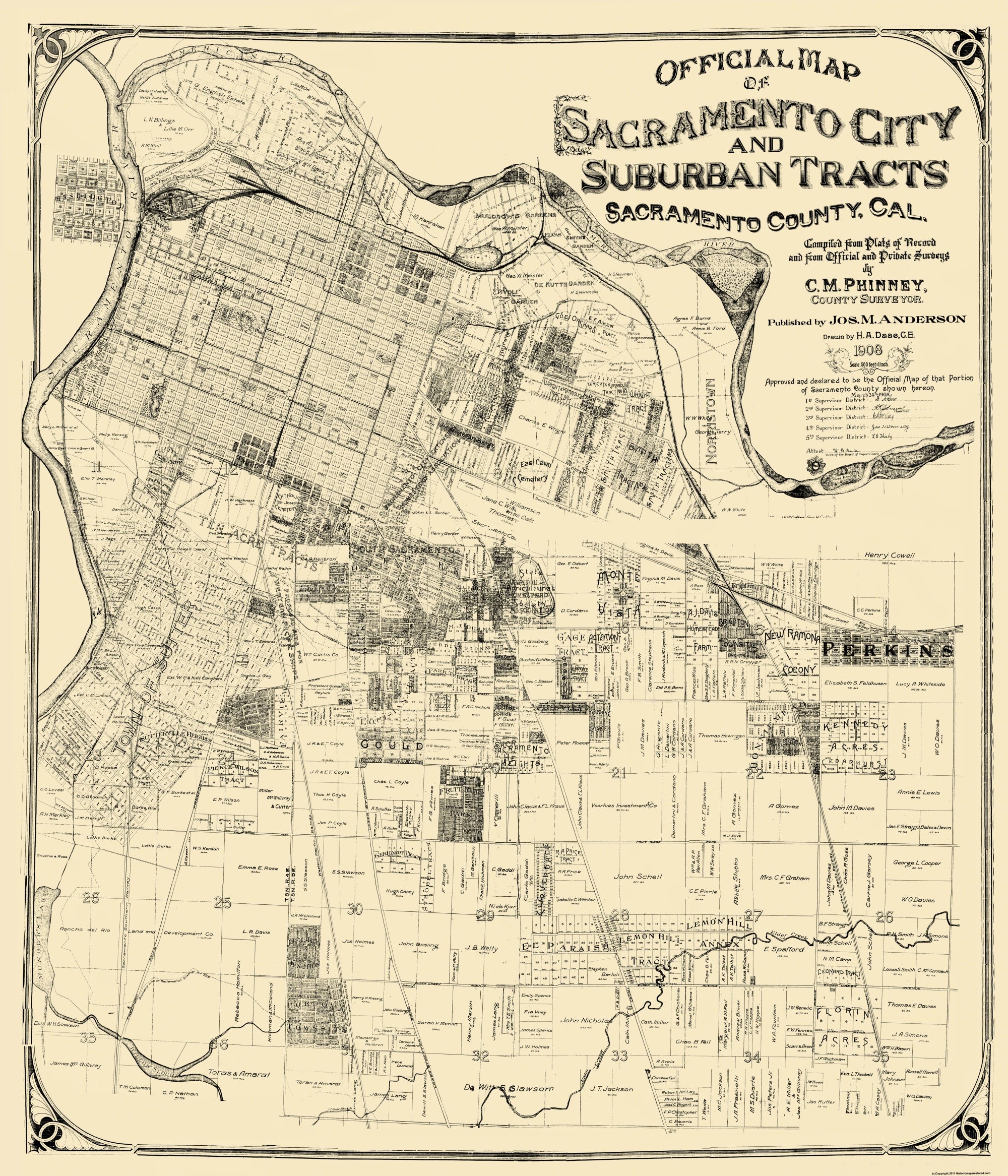
The decision sparked a wave of civic projects: paved streets, a formal street grid, and an ambitious public school system. The city’s leaders also grappled with flooding—a relentless threat given the valley’s low elevation. In response, they engineered an extensive levee system, a feat of 19th‑century engineering that still protects the downtown core today.
Railroads, Industry, and Growth
By the 1860s, Sacramento’s strategic location made it a railroad hub. The Central Pacific Railroad, part of the transcontinental line, chose the city as a key terminus, linking the Pacific coast to the nation’s interior. This connection sparked rapid industrialization: warehouses, grain elevators, and factories sprouted along the riverfront, transforming the economy from gold‑centric trade to diversified manufacturing.
Immigrants from China, Ireland, and Italy arrived in droves, each community adding its own cultural imprint. The historic Chinatown district, though later devastated by the 1862 flood, left a legacy of cuisine and festivals that endure in modern Sacramento’s culinary scene.
Twentieth‑Century Transformations
The early 1900s saw Sacramento evolve into a governmental and agricultural nexus. The surrounding fertile plains turned the region into a breadbasket, and the city became a vital market for fruit, nuts, and vegetables destined for national distribution. The introduction of electric streetcars in 1912 expanded the city’s reach, linking suburban neighborhoods to the downtown core.
World War II brought another shift. Defense plants and wartime manufacturing surged, and post‑war veterans spurred a housing boom. Suburban development spread outward, reshaping the city’s layout while preserving the historic Old Sacramento district—a collection of brick warehouses and wooden sidewalks meticulously restored in the 1960s.
Preserving Heritage While Embracing the Future
Today, Sacramento balances its rich past with a forward‑looking ethos. The State Capitol remains an active legislative hub, while the Riverfront Commons project revitalizes former industrial zones into walkable parks and mixed‑use spaces. Annual events like the California State Fair celebrate agricultural roots, and museums such as the California State Railroad Museum keep the rail legacy alive.
Urban planners continue to address flood risk, integrating modern engineering with historic levee lines. Green initiatives, including expanded bike lanes and renewable energy incentives, reflect a city intent on sustainability without erasing its layered narrative.
FAQ
What caused the major floods that shaped early Sacramento?
Severe winter storms and snowmelt in the Sierra Nevada swelled the Sacramento River, overwhelming the low‑lying valley. The most devastating flood occurred in 1862, prompting the construction of a comprehensive levee system.
Why was Sacramento chosen over other cities as the state capital?
Its central location, access to river transport, and burgeoning population made it a practical choice for lawmakers seeking a balanced, accessible seat of government.
How has Old Sacramento been preserved?
Starting in the 1960s, city officials and preservationists restored the 19th‑century brick buildings, converting them into museums, shops, and restaurants while maintaining original architectural details.
What role does agriculture play in Sacramento’s modern economy?
The surrounding Central Valley remains a leading producer of fruits, nuts, and vegetables. Sacramento serves as a distribution hub, linking farm output with national and international markets.