Master Credit Risk: 8 Essential Management Steps
When a lender or financial institution extends credit, every dollar is a potential risk. Managing that risk isn’t just about avoiding losses; it’s about creating a sustainable portfolio that supports growth. Below is a step‑by‑step guide that distills the most effective practices for mastering credit risk. Each step builds on the previous one, culminating in a comprehensive framework that balances profitability with prudence.
1. Build a Robust Credit Policy
A clear, documented policy sets the tone for every credit decision. It should define eligibility criteria, maximum exposure limits, and acceptable collateral. By aligning the policy with regulatory guidelines and internal risk appetite, you reduce the chances of subjective or inconsistent approvals.
2. Implement Rigorous Underwriting Standards
Underwriting is the frontline defense. Use a combination of quantitative scoring models and qualitative judgment. Key factors include payment history, debt‑to‑income ratio, and industry risk. Ensure that the underwriting team has access to real‑time data feeds for accurate assessments.
3. Leverage Advanced Analytics and Credit Scoring
Traditional credit scores are useful, but modern analytics can uncover hidden patterns. Machine‑learning models that ingest alternative data—social media behavior, utility payment records, or even sentiment analysis—provide a richer risk profile. Regularly back‑test models to maintain predictive accuracy.
4. Conduct Ongoing Portfolio Monitoring
Risk is dynamic; what was safe yesterday may become hazardous tomorrow. Track key performance indicators such as delinquency rates, recovery ratios, and concentration exposure. Dashboards that surface anomalies in real time allow you to intervene before a problem escalates.
5. Enforce Proactive Collection Strategies
Early intervention saves money. Establish a tiered collection process that escalates from reminders to legal action. Integrate automated workflows so that customer outreach aligns with the risk profile—high‑risk borrowers may require a more aggressive follow‑up.
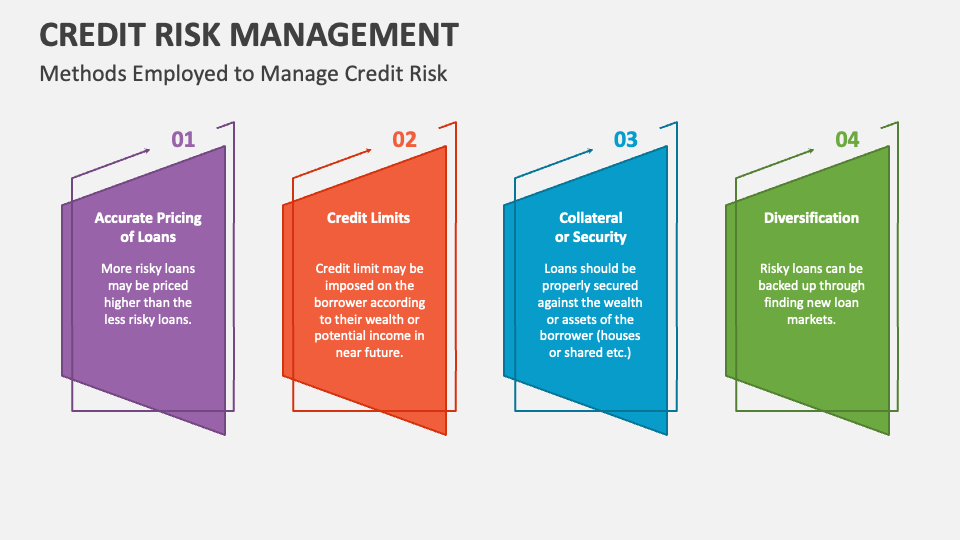
6. Diversify Credit Exposure
Concentration risk can wipe out a portfolio in a single sector downturn. Use diversification across industry, geography, and borrower size. Consider credit derivatives or credit‑linked securities to hedge specific exposures when appropriate.
7. Establish a Robust Recovery and Write‑Off Protocol
When defaults occur, the recovery strategy determines how much is salvaged. Set clear criteria for when to pursue collections, when to sell receivables to a third‑party, and when to write off a loss. Maintain documentation that supports every step to satisfy auditors and regulators.
8. Review and Adapt the Risk Management Framework
Regular audits of the entire credit risk process ensure continuous improvement. Incorporate lessons learned from past losses, new regulatory requirements, and evolving market conditions. A culture of learning keeps the framework relevant and effective.
FAQs About Credit Risk Management
- What is the most common mistake lenders make in credit risk? Many rely too heavily on historical credit scores without accounting for changing economic conditions or borrower behavior.
- How often should a credit policy be reviewed? At least annually, or sooner if market dynamics shift dramatically or new regulations are introduced.
- Can alternative data replace traditional credit scoring? It can complement it, offering deeper insights, but it should not wholly replace established scoring models without extensive validation.
- What role does technology play in modern credit risk? Automation, AI‑driven analytics, and real‑time data integration streamline underwriting, monitoring, and collection, reducing both time and error.