Why the 2014 Toyota Camry SE V6 Is a Smart Buy Today
2014 Toyota Camry SE V6: Key Specs and What Sets It Apart
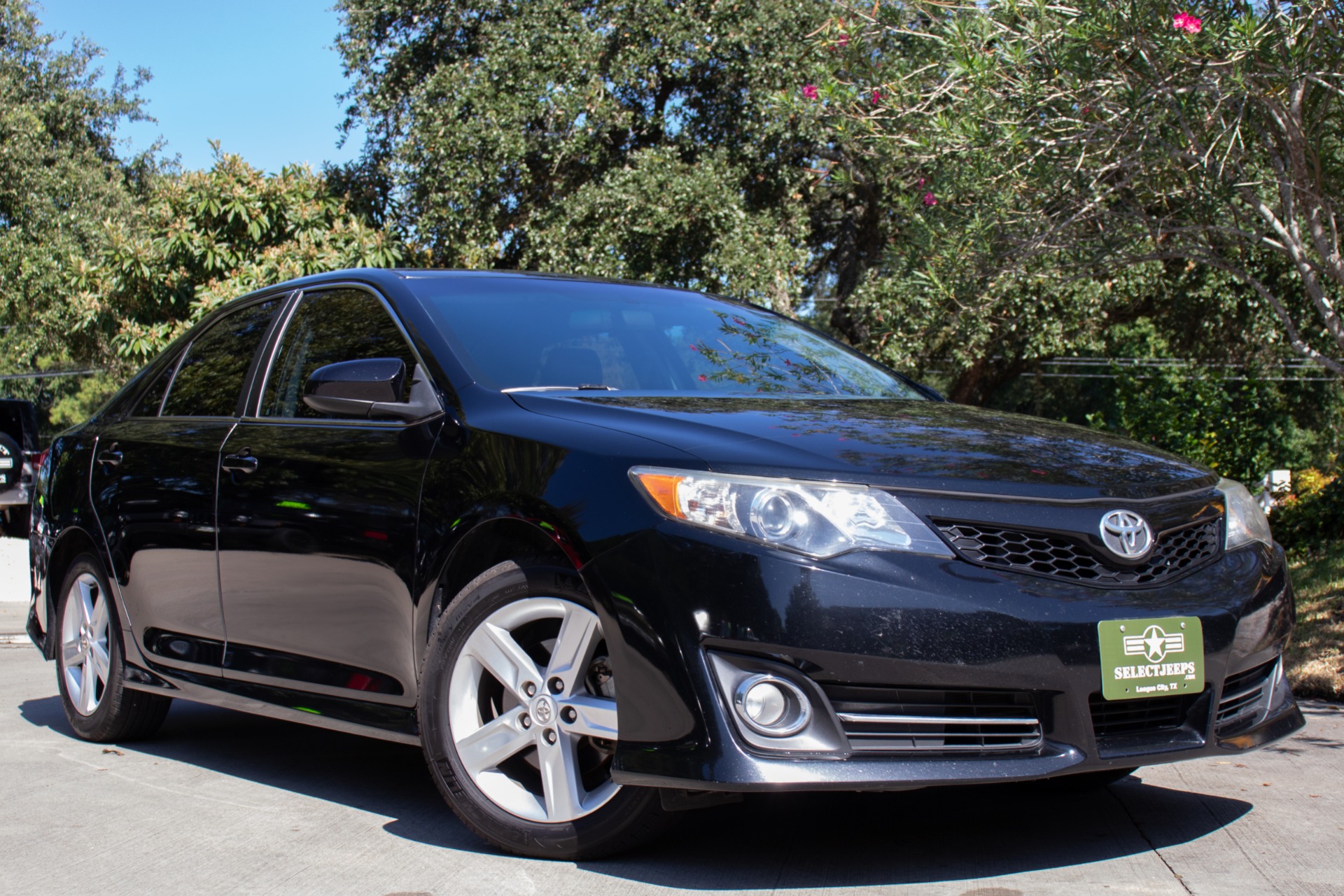
If you’re scrolling through listings for a midsize sedan, the 2014 Toyota Camry SE V6 often jumps out as a compelling option. It blends a punchy V6 engine with the Camry’s reputation for reliability, making it a rare sweet spot for buyers who crave both performance and peace of mind. Under the hood sits a 3.5‑liter V6 that churns out roughly 268 horsepower, delivering a noticeably smoother acceleration than the standard four‑cylinder models.
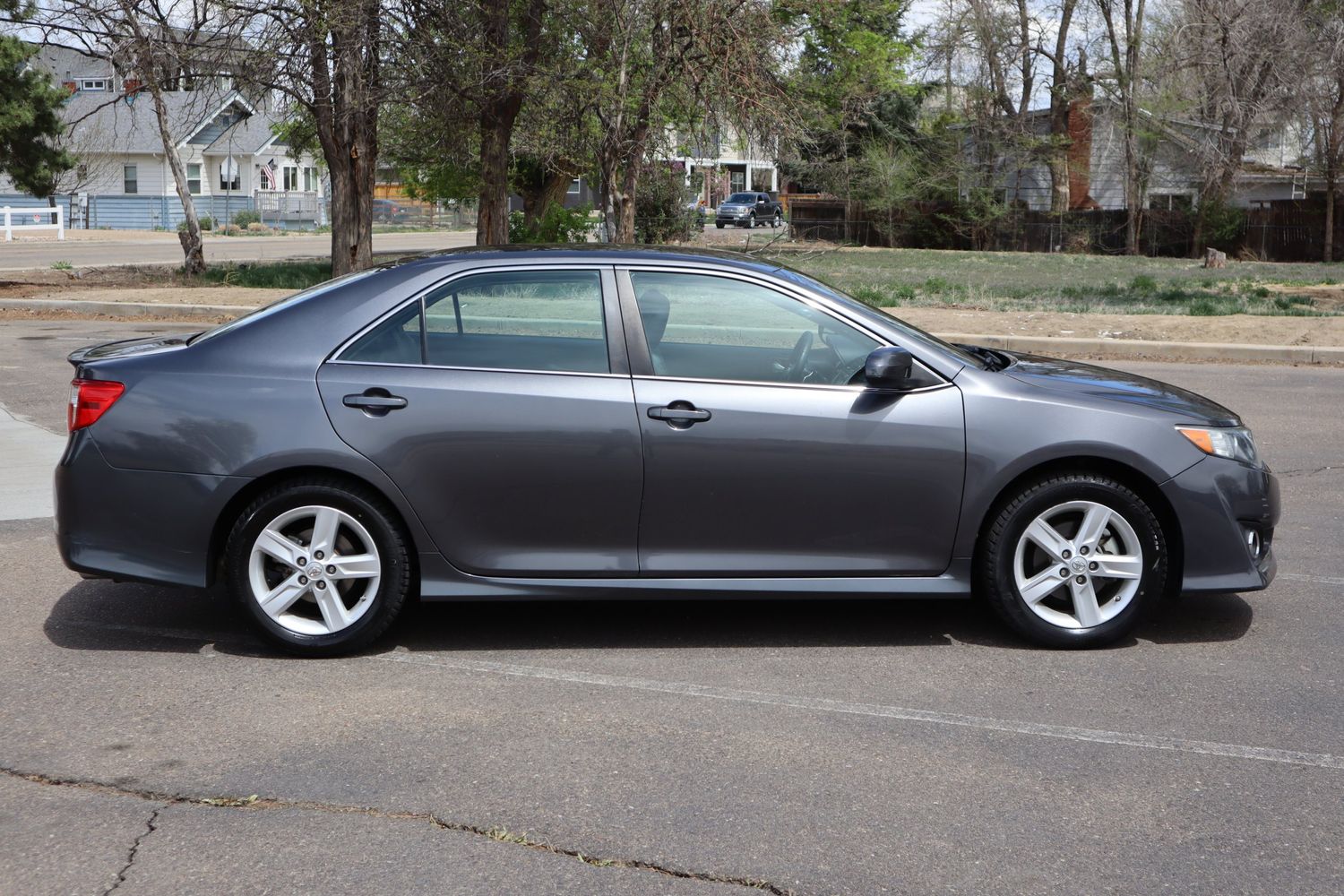
Beyond the powertrain, the SE trim adds sport‑oriented styling cues—black mesh grille, rear spoiler, and 18‑inch alloy wheels—that give the sedan a more aggressive stance without sacrificing comfort. Inside, you’ll find sport seats with bolsters, a leather‑wrapped steering wheel, and a well‑tuned suspension that feels planted around corners while still soaking up highway bumps.
Why Buyers Keep Coming Back to This Model
There are three main reasons the 2014 Camry SE V6 remains popular on the used‑car market. First, Toyota’s track record for durability means many owners still log low‑to‑moderate mileage after a decade. Second, the V6’s power output puts the Camry in the same league as many entry‑level luxury sedans, yet it typically costs a fraction of the price. Third, the SE’s sport‑focused amenities add a dash of personality that the base Camry often lacks.
Owners also appreciate the blend of technology that was considered advanced for its time: a touchscreen infotainment system, Bluetooth connectivity, and a rear‑view camera—features that many rivals only offered in higher trims.
What to Look for When Shopping
- Service History: A well‑documented maintenance record, especially regular oil changes and timing‑belt inspections, can save you headaches later.
- Transmission Condition: The 2014 SE V6 uses a six‑speed automatic. Listen for smooth shifts; any hesitation or clunking may signal wear.
- Brake and Tire Wear: Given the V6’s extra torque, check that pads and rotors aren’t overly thinned and that tires show even tread.
- Interior Wear: Sport seats should retain their firmness. Excessive cracking or fraying in the upholstery could hint at neglect.
- Rust Checks: Focus on the wheel wells, undercarriage, and rear bumper—areas prone to rust in older models.
When you spot a listing that looks promising, don’t skip a thorough test drive. Pay attention to how the engine sounds at idle, how the steering responds, and whether any warning lights appear on the dashboard.
Pricing Realities in 2024
Because the Camry SE V6 sits between economy and premium, its resale value reflects both demand and supply. As of mid‑2024, a well‑maintained example with under 80,000 miles typically lists between $13,000 and $16,000, depending on region and condition. Prices can climb higher for low‑mileage, single‑owner cars that include recent upgrades like new tires or an upgraded sound system.
Keep an eye on private sellers versus dealerships; private listings often shave a few thousand dollars off the price, but buying from a dealer may include a limited warranty or a certified‑pre‑owned (CPO) inspection, which adds a layer of reassurance.
Reliability and Ownership Costs
The Camry’s reputation for low maintenance translates to modest ownership expenses. Routine services—oil changes, filter replacements, and tire rotations—usually fall within the $150‑$250 range per visit. Major components such as the timing chain (instead of a belt) tend to last well beyond 150,000 miles, reducing the likelihood of costly repairs.
Insurance premiums for the SE V6 are generally comparable to the four‑cylinder models, though the V6’s higher performance rating can nudge rates up by a few percent. Fuel economy, while respectable for a V6, averages around 22 mpg combined, so budgeting a bit more for gas than a four‑cylinder Camry is wise.
How the V6 Stacks Up Against the Four‑Cylinder
Performance enthusiasts often ask whether the V6’s extra horsepower is worth the trade‑off. On paper, the V6 shaves roughly three seconds off a quarter‑mile run compared to the 2.5‑liter four‑cylinder, and it feels more confident when merging onto highways. However, the fuel‑economy gap is modest—about 2‑3 mpg—so the V6 doesn’t guzzle gas like a sports car.
If you primarily commute in city traffic, the four‑cylinder might feel sufficient. But if you enjoy occasional road trips, spirited weekend drives, or need a bit more towing capacity (the V6 can handle light loads up to 1,000 lb), the SE V6 offers that extra versatility without a dramatic cost increase.
Finding the Right Deal
Start by scanning reputable online marketplaces—AutoTrader, Cars.com, and local classified sites often have filters for “Camry SE V6.” Narrow results by price range, mileage, and location to minimize travel for inspections. If you’re serious about a particular car, request a vehicle‑history report (Carfax or AutoCheck) to verify mileage, accident records, and title status.
Don’t hesitate to negotiate. Sellers typically price a vehicle a few thousand dollars above their bottom line, especially if they’ve invested in minor cosmetic work. Use the inspection checklist above as leverage: point out any needed repairs and ask for a price reduction accordingly.
FAQ
What should I check when buying a used 2014 Camry SE V6?
Look for a complete service log, smooth transmission shifts, brake and tire wear, interior condition of the sport seats, and any signs of rust, especially around the wheel wells.
How does the V6 engine compare to the four‑cylinder in the Camry?
The V6 adds about 70 hp, delivering quicker acceleration and a more engaging driving feel, while sacrificing roughly 2‑3 mpg in fuel economy. It also provides a modest increase in towing capacity.
Is the 2014 Camry SE V6 reliable long term?
Yes, most owners report few major issues beyond routine maintenance. The timing chain, robust engine design, and Toyota’s overall engineering contribute to durability well past 150,000 miles.
What’s a reasonable price range for a 2014 Camry SE V6?
Expect to pay between $13,000 and $16,000 for a vehicle in good condition with under 80,000 miles. Prices can be higher for low‑mileage, single‑owner examples with recent upgrades.