Is Mongolia a Developed or Developing Country?
When you hear the phrase “Mongolia developed or developing nation,” the answer isn’t a simple yes‑or‑no. Mongolia sits at a crossroads, with rapid economic growth driven by mining, yet still grappling with social and infrastructure gaps that are typical of developing economies. To untangle the picture, we need to look beyond headlines and examine the data that international bodies use to classify nations.
Mongolia: Developed or Developing Nation?
Officially, the World Bank classifies Mongolia as a lower‑middle‑income country. Its gross domestic product per capita hovers around $4,000 (2022), which places it well below the thresholds most high‑income economies cross. The United Nations’ Human Development Index (HDI) also slots Mongolia in the “medium human development” band, ranking roughly 99th out of 191 countries. These benchmarks suggest that, by the standard metrics, Mongolia is still a developing nation.
Economic Indicators That Matter
Economic size alone can be misleading. Mongolia’s economy is heavily weighted toward extractive industries—copper, gold, and coal account for over 20% of GDP and a larger share of export earnings. This dependence makes growth volatile; a dip in commodity prices can swing the country from a 7% expansion to a contraction within months. Nonetheless, the country has maintained an average annual growth rate of about 5% over the past decade, outpacing many of its regional peers.
- GDP per capita: ~ $4,200 (2022, current US$)
- Growth rate: 4‑7% average annual (last ten years)
- Export composition: > 20% minerals, mainly to China
These numbers reveal dynamism, but they also expose a lack of diversification—a hallmark of developing economies.
Human Development and Social Indicators
Income tells only part of the story. Life expectancy in Mongolia is around 70 years, a few years shy of the global average. Education attainment has improved: primary school enrollment is near universal, yet tertiary enrollment remains modest compared with high‑income nations. Health outcomes, especially in rural areas, suffer from limited access to modern facilities.
The gender gap in labor force participation has narrowed, but women still earn less on average and are underrepresented in senior government roles. Social safety nets are expanding, but coverage is uneven, leaving many vulnerable families dependent on informal support networks.
Infrastructure and Urbanization
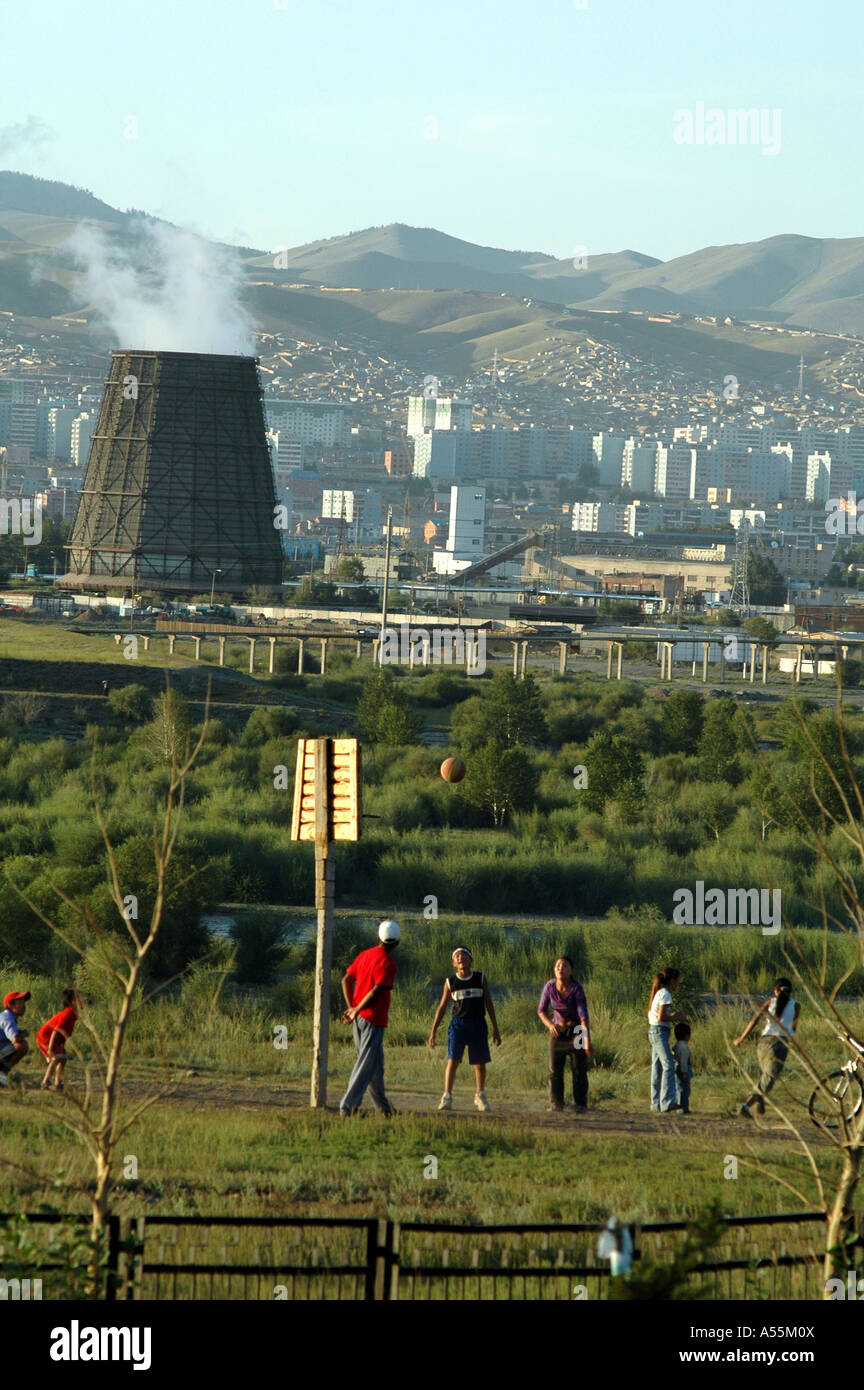
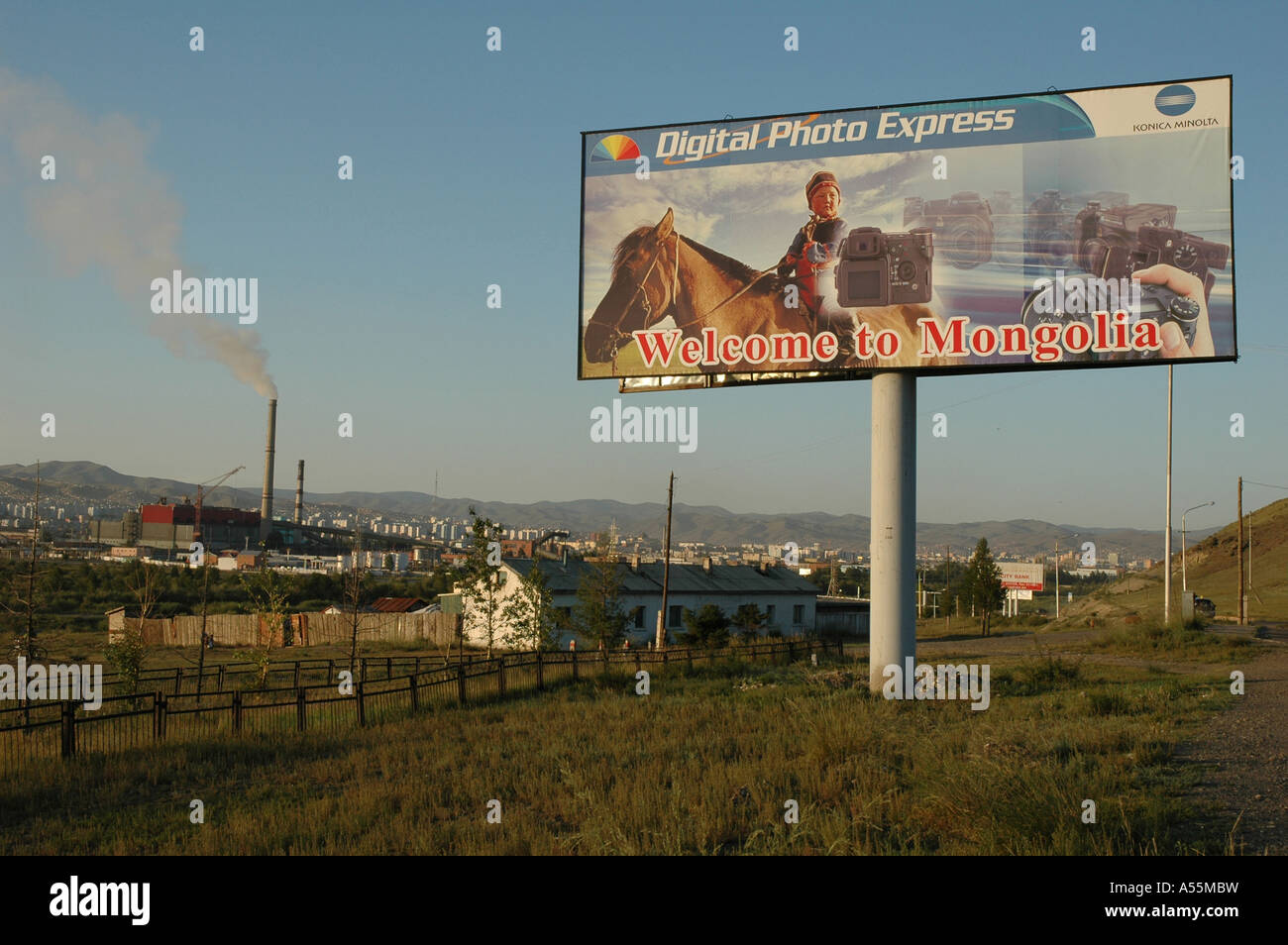
Ulaanbaatar, the capital, houses nearly half of Mongolia’s population and showcases a stark urban‑rural divide. The city’s rapid growth has outpaced housing and public transport development, leading to severe air‑quality problems in winter. Meanwhile, vast steppe regions still lack paved roads, reliable electricity, and high‑speed internet.
Recent projects—such as the expansion of the new international airport and the rollout of a national fiber‑optic backbone—signal a push toward modernization, but they are in early stages compared to the comprehensive infrastructure seen in developed nations.
International Classification and Outlook
Beyond the World Bank and UN, the International Monetary Fund (IMF) lists Mongolia as a “lower‑middle‑income” economy and flags fiscal sustainability and external vulnerability as key risks. The country’s “Vision 2030” strategy aims to transition toward a knowledge‑based economy, diversify exports, and improve public services. If these goals materialize, Mongolia could climb the development ladder within the next two decades.
Key Challenges and Opportunities
Several hurdles stand in the way of a swift graduation to “developed” status:
- Economic diversification: Reducing reliance on mining by fostering tourism, renewable energy, and agribusiness.
- Human capital: Investing in higher education and vocational training to meet the needs of a modern economy.
- Environmental stewardship: Managing the ecological impact of mining and urban growth, especially air quality in Ulaanbaatar.
- Governance: Strengthening institutions to curb corruption and ensure transparent use of resource revenues.
Conversely, Mongolia’s strategic location between Russia and China, abundant natural resources, and youthful population offer a solid foundation for long‑term growth.
Frequently Asked Questions
Is Mongolia officially a developing country?
Yes. Both the World Bank and the United Nations classify Mongolia as a developing nation, placing it in the lower‑middle‑income and medium‑human‑development categories.
What are the main factors keeping Mongolia from being considered developed?
Key obstacles include a heavy reliance on mineral exports, relatively low GDP per capita, uneven infrastructure, and gaps in health and education outcomes, especially outside the capital.
Could Mongolia become a high‑income country soon?
It’s possible, but it would require sustained diversification, improved governance, and significant investment in human capital and infrastructure over the next 15‑20 years.
How does Mongolia’s HDI rank compare globally?
Mongolia’s HDI rank sits around the middle of the global list—roughly 99th out of 191 countries—reflecting moderate progress in health, education, and standard of living.