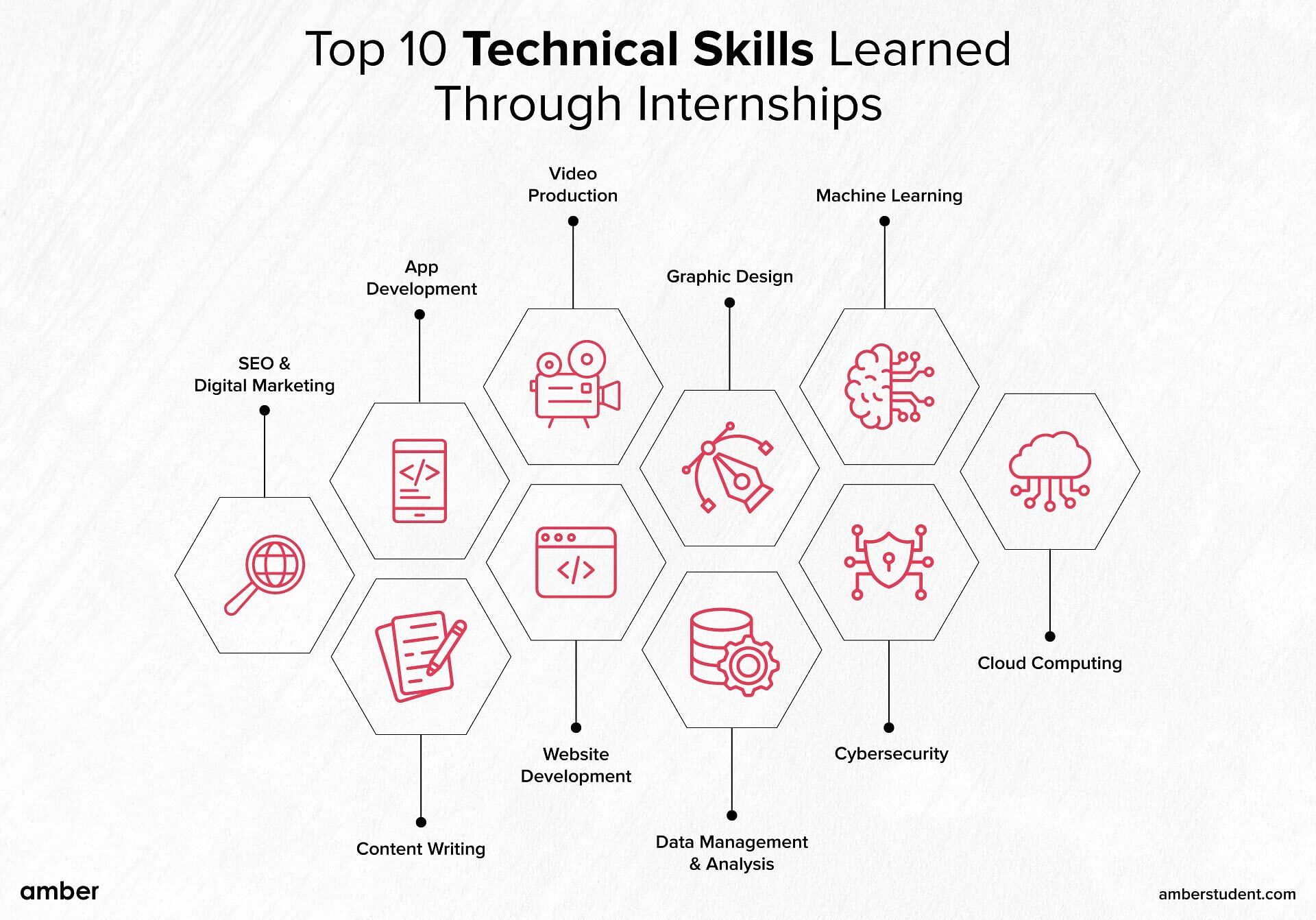
Tech Internships: Your Insider Guide to Landing a Spot
Tech Internships: Your Guide to Landing a Spot
When it comes to carving out a career in technology, internships are the most reliable stepping stone. They provide real‑world exposure, a taste of corporate culture, and the chance to build a portfolio that hiring managers can actually see. If you’re wondering how to snag a coveted tech internship, this guide breaks down every phase—from research to interview prep—so you can move confidently from application to acceptance.
1. Define Your Tech Focus
Technology is a broad umbrella. Before you start clicking “Apply,” decide what you want to explore:
- Software Development – coding, debugging, and building applications.
- Data Science & Analytics – crunching numbers, machine learning, and predictive modeling.
- Cybersecurity – protecting systems, threat analysis, and ethical hacking.
- Product Management – shaping product roadmaps, stakeholder communication.
- UX/UI Design – user research, prototyping, and visual design.
Once you’ve narrowed the field, your search becomes intentional and results in applications that truly match your interests.
2. Map the Landscape: Where to Find Opportunities
Internships surface in a few key places:
- Company Websites – most tech giants host dedicated internship portals.
- University Career Centers – partnerships often give early access to campus‑only postings.
- Industry Conferences – hackathons and meetups double as recruitment events.
- Job Boards & Aggregators – sites like LinkedIn, Indeed, and niche boards such as AngelList or Stack Overflow Jobs.
Set up email alerts on these platforms. A few minutes a day can keep you ahead of the rush.
3. Polish Your Application Package
Even if a role looks casual, the competition is fierce. Your resume, cover letter, and portfolio must stand out:
- Resume – keep it one page, focus on achievements, quantify results, and tailor bullet points to the internship’s requirements.
- Cover Letter – explain why you’re excited about the company, how your skills fit, and what you hope to learn.
- Portfolio – showcase code on GitHub, design prototypes, data projects, or any tangible work. Add a short README that explains the project scope and your contributions.
- References – having a professor or a prior employer who can vouch for your technical acumen adds weight.
Proofread every document. Typos can erase credibility before you even get a callback.
4. Network Like a Pro
Recruiters often lean on referrals. Build connections before you apply:
- LinkedIn Outreach – send a concise, personalized message to hiring managers or interns at the target company. Ask for a quick chat or informational interview.
- University Alumni Groups – many alumni prefer to help peers from their alma mater.
- Industry Meetups – join local tech circles, hackathon teams, or open‑source projects.
A warm introduction can make your application land directly in a recruiter’s inbox.
5. Ace the Technical Interview
Tech internship interviews blend coding tests and behavioral questions. Prepare with these steps:
- Coding Practice – solve problems on LeetCode, HackerRank, or CodeSignal. Focus on data structures, algorithms, and clean code.
- System Design Basics – even for junior roles, understanding scalable architecture is useful.
- Mock Interviews – pair up with a friend or use platforms like Interviewing.io to simulate real conditions.
- STAR Method – for behavioral queries, structure responses: Situation, Task, Action, Result.
When you arrive, ask insightful questions. Demonstrating curiosity often leaves a lasting impression.
6. Maximize the Internship Experience
Securing a spot is only the first milestone. To make the most of your tenure:
- Set Personal Goals – what skills do you want to master? What project will you lead?
- Seek Mentorship – identify a senior colleague who can guide your growth.
- Document Your Work – maintain a blog or portfolio updates; it’s proof of learning.
- Build a Network – engage in team meetings, after‑hours socials, and cross‑department projects.
At the end of the internship, request a performance review. Constructive feedback helps you polish future applications.
7. Leverage Your Internship for Future Roles
Most companies prefer to hire interns for full‑time positions. Highlight your internship achievements when applying for permanent roles:
- Showcase a project you delivered, including metrics like user growth or bug reduction.
- Explain the technologies you mastered, especially those relevant to the job you’re targeting.
- Provide letters of recommendation from supervisors or peers.
Even if you move on, the internship’s reputation and the network you built remain valuable assets.
FAQs
- What are the best tech internships for beginners? Entry‑level programs at companies like Google, Microsoft, and smaller startups offer structured mentorship and real projects.
- How early should I start applying? Most internships have deadlines from December to March for summer programs. Start researching and networking at least six months ahead.
- Do I need a computer science degree? Not always. Demonstrable coding skills, project experience, and a passion for learning can compensate for formal education gaps.
- Can I apply for multiple tech internships simultaneously? Yes, but manage deadlines carefully and tailor each application to the specific role.
Following these steps positions you not only to secure a tech internship but also to turn it into a launchpad for a thriving technology career.