Inside the Paycheck: How Much Football Players Earn
When the stadium lights blaze and crowds roar, the most obvious question on many fans’ minds is how much football players earn. The answer isn’t a single figure; it shifts with the league, the position, the contract structure, and even the player’s brand value. Whether you’re picturing a rookie stepping onto the field for the first time or a seasoned star negotiating a multimillion‑dollar extension, the financial landscape of football is as layered as the playbook.
How Much Do Football Players Earn? Salary Basics Across Leagues
In the United States, the term “football” usually points to the NFL, where the average annual salary hovers around $2.7 million according to the league’s most recent collective bargaining data. In contrast, association football—known globally as soccer—presents a broader spectrum: a Premier League star can pocket upwards of £200 million over a five‑year deal, while a lower‑division player in England’s League Two might earn under £60,000 a year. The disparity reflects not only market size but also revenue streams like broadcasting rights, ticket sales, and merchandising.
Understanding NFL Contracts and Average Salaries
The NFL operates on a salary‑cap system that caps total team spending, creating a relatively tight band for most players. Rookie contracts are largely slotted: a first‑round pick signs a four‑year deal with a fifth‑year team option, while later rounds receive shorter, less lucrative agreements.
- Minimum salary: In 2024, a rookie on the league minimum earns about $750,000 annually.
- Mid‑range veterans: Players with three to five years of experience typically see contracts in the $2–$5 million range.
- Elite talent: Quarterbacks like Patrick Mahomes or Aaron Rodgers command extensions exceeding $40 million per year, often bundled with performance bonuses and signing incentives.
These numbers are gross figures; taxes, agent fees, and the league’s own pension contributions chip away before the player sees a paycheck.
Association Football (Soccer) Earnings Around the World
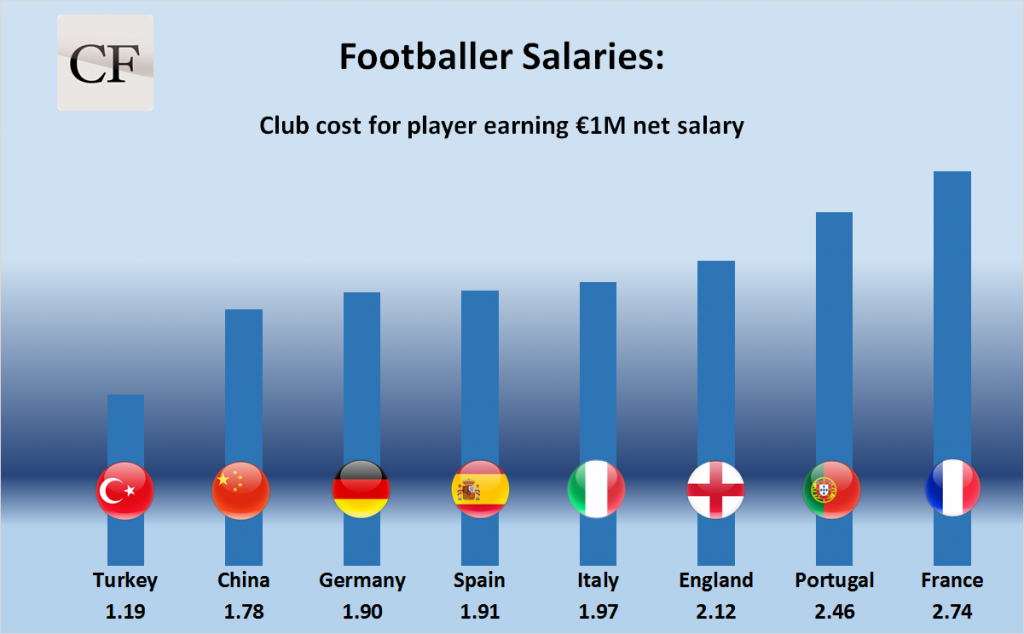
Soccer’s financial ecosystem is less uniform, driven by club wealth and regional market dynamics. In Europe’s “big five” leagues—England, Spain, Germany, Italy, and France—top clubs generate billions in revenue, allowing them to offer staggering wages.
- Premier League: Average player salary in 2023 was roughly £3 million per year, but the top ten earners surpass £15 million.
- La Liga: Stars like Lionel Messi (before his move) earned upwards of €30 million annually, not counting image‑rights deals.
- Emerging markets: In Brazil’s Serie A, a leading striker might make R$5 million a year, while many squad members earn less than R$500,000.
- Lower divisions: In England’s League One, weekly wages can dip below £2,000, translating to under £100,000 annually.
The disparity mirrors club budgets: a billionaire-owned team can outspend a community‑run club tenfold, and the players’ contracts follow suit.
Factors That Influence a Player’s Paycheck
- Position: Quarterbacks and forwards typically command the highest salaries due to their impact on the game.
- Experience: Veteran players leverage proven performance, while rookies negotiate within league‑set limits.
- Marketability: A player’s social media following and off‑field persona can unlock lucrative endorsement deals.
- Contract structure: Guaranteed money, roster bonuses, and workout incentives all affect total earnings.
- Injury history: Teams often include injury protection clauses that can lower guaranteed sums.
Beyond the Base Salary: Endorsements, Bonuses, and Other Income
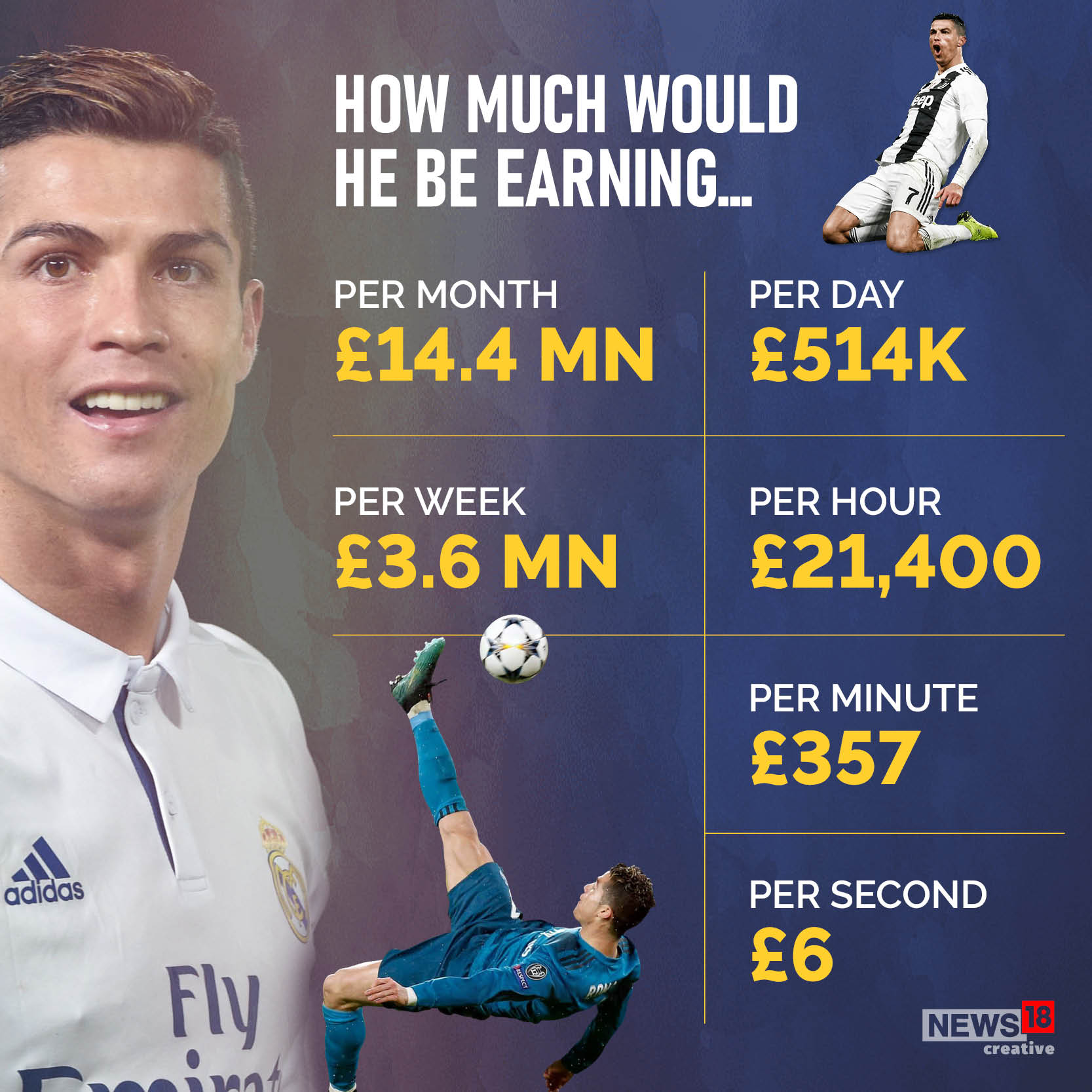
For many elite athletes, the paycheck from the club or team is just the foundation. Endorsement contracts with brands like Nike, Adidas, or local sponsors can dwarf on‑field earnings. Cristiano Ronaldo’s lifetime deal with Nike, for instance, has been reported to generate over $100 million annually, far surpassing his club salary.
Performance bonuses also add a layer of variability. NFL contracts frequently include “playoff bonuses” and “pro‑bowls” payouts, while soccer agreements might feature “goal bonuses” or “championship clauses.” These incentives can push a player’s annual income well beyond the headline figure disclosed in contract summaries.
FAQ
Do rookie football players make a lot of money?
Rookies earn the league minimum, which in the NFL is about $750,000 and in the Premier League is roughly £30,000 per week (≈£1.5 million per year). While sizable compared to many professions, it’s modest relative to seasoned stars.
How do endorsement deals affect a player’s total earnings?
Endorsements can add anywhere from a few hundred thousand to tens of millions of dollars annually, depending on the athlete’s global appeal and the brands involved. For top-tier talent, endorsements often become the dominant revenue source.
Are football salaries higher in the United States or Europe?
It depends on the sport. NFL players generally earn more on average than European soccer players in lower leagues, but the very highest‑paid soccer stars—especially in the Premier League and La Liga—outstrip most NFL salaries.
What happens to a player’s salary if they get injured?
Most contracts include injury guarantees that protect a portion of the salary, but the exact amount varies. In the NFL, guaranteed money is common, while in many European soccer contracts, clubs may renegotiate or terminate the deal depending on severity.