Inside Russia’s Media: Propaganda Meets Journalism
When you hear “propaganda & journalism in Russia,” it often feels like an oxymoron—how can a press that’s supposed to inform also be a tool of the state? The answer lies in a tangled history that blurs the line between reporting facts and shaping narratives. In this deep dive we’ll trace that history, unpack the mechanisms at work today, and hear from journalists who try to keep a foothold on truth.
Historical Roots of Russian Media Control
The Soviet era set the template for what many still recognize as state‑driven media. Newspapers such as Pravda were not just sources of news; they were daily lessons in party doctrine. After the USSR’s collapse, a brief window of relative freedom emerged, with independent outlets sprouting across the country.
That optimism was short‑lived. By the early 2000s, the Kremlin began re‑centralising media ownership, quietly buying up television networks and press groups. The shift wasn’t always overt—many acquisitions were masked as “business deals”—but the effect was the same: a handful of state‑aligned conglomerates began dictating the tone of the national conversation.
The Modern Propaganda Machine
Today, the propaganda apparatus operates on several fronts, each reinforcing the other. Below are the most common tactics, illustrated with recent examples:
- Selective framing: News stories are often presented in a way that highlights the government’s successes while downplaying setbacks. A report on a new infrastructure project, for instance, will emphasize job creation but omit cost overruns.
- Echo‑chamber amplification: State‑run TV channels repeat the same talking points, and social‑media bots reshare them, creating the illusion of widespread consensus.
- Strategic omission: Certain topics—like large‑scale protests or investigative findings about corruption—receive little to no coverage on major networks, effectively disappearing from the public sphere.
- Patriotic language: Terms such as “foreign interference” or “national security” are peppered into stories to frame dissent as a threat to the country.
These methods aren’t unique to Russia, but the scale and coordination give them a distinct flavor. Analysts note that the blending of official statements, entertainment programs, and “expert” commentary makes it harder for viewers to separate fact from narrative.
How Journalists Navigate the Tightrope
Independent reporters face a paradox: they need to reach audiences while avoiding the legal and financial repercussions that can follow critical coverage. Many adopt a “soft‑sell” approach, embedding investigative threads within human‑interest pieces that appear less politically charged.
Some rely on foreign‑funded outlets, such as Radio Free Europe/Radio Liberty, to publish more daring work, knowing those platforms are less likely to be censored. Others turn to encrypted messaging apps to share raw footage with international partners, hoping the story will break outside the country’s media filters.
Even within state‑aligned outlets, there are journalists who push the envelope subtly—by asking probing follow‑up questions, highlighting inconsistencies, or letting whistleblowers speak in short, unscripted segments. The risk is real: fines, job loss, or even criminal charges are part of the occupational hazard list.
Audience Perception and Trust
Public trust in Russian news sources is a moving target. Surveys conducted by independent research groups suggest that while a sizable portion of the population still relies heavily on television for information, younger audiences are increasingly turning to online platforms, where alternative narratives can surface.
However, digital spaces are not a free haven. The government employs sophisticated filtering systems and occasional internet shutdowns during periods of unrest, limiting the reach of dissenting voices. As a result, many citizens receive a patchwork of official messaging, personal anecdotes, and rumors—a blend that can be difficult to untangle.
Psychologically, repeated exposure to a consistent narrative can reinforce belief, even when contradictory evidence appears. This phenomenon, known as the “illusory truth effect,” helps explain why propaganda can persist despite the presence of independent reporting.
What This Means for the Future
Looking ahead, the balance between propaganda and genuine journalism in Russia will likely hinge on two forces: technological adaptation and international pressure. On one hand, advances in deep‑fake detection and open‑source verification tools give independent journalists new weapons to counter misinformation. On the other, sanctions and diplomatic isolation may push the state to tighten its grip on the media even further.
For readers outside Russia, understanding these dynamics is essential. Recognizing the cues—such as repeated phrasing, omission of key facts, or the framing of dissent as a security threat—allows you to evaluate Russian news with a more critical eye.
FAQ
Q: How can I identify Russian propaganda when reading news?
A: Look for overly patriotic language, lack of source diversity, and stories that align tightly with official government positions. Cross‑checking with independent outlets can reveal missing angles.
Q: Are there any truly independent Russian news outlets?
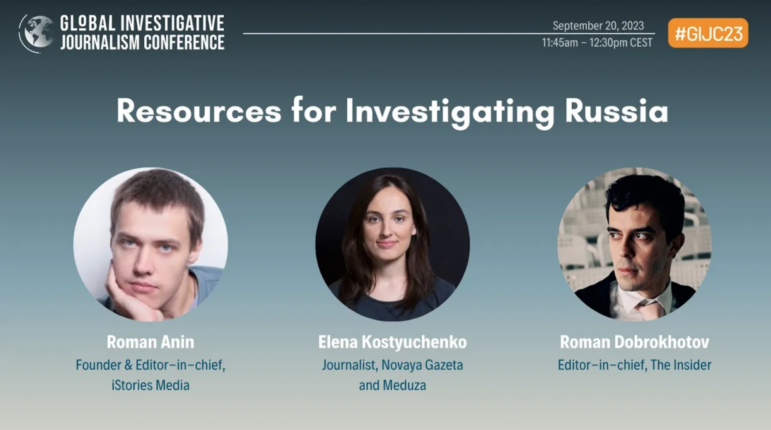
A: A handful exist, often funded by foreign NGOs or operating from abroad. Examples include Meduza and Novaya Gazeta, though they face legal and financial pressures that limit their reach within Russia.
Q: Does the Russian government censor online content?
A: Yes, especially during politically sensitive moments. Websites can be blocked, and social‑media platforms may see throttled traffic, forcing users to rely on VPNs or alternative services.
Q: What role do foreign journalists play in exposing Russian propaganda?
A: They often act as amplifiers, taking stories from local whistleblowers and publishing them on international platforms, thereby bypassing domestic restrictions and reaching a global audience.