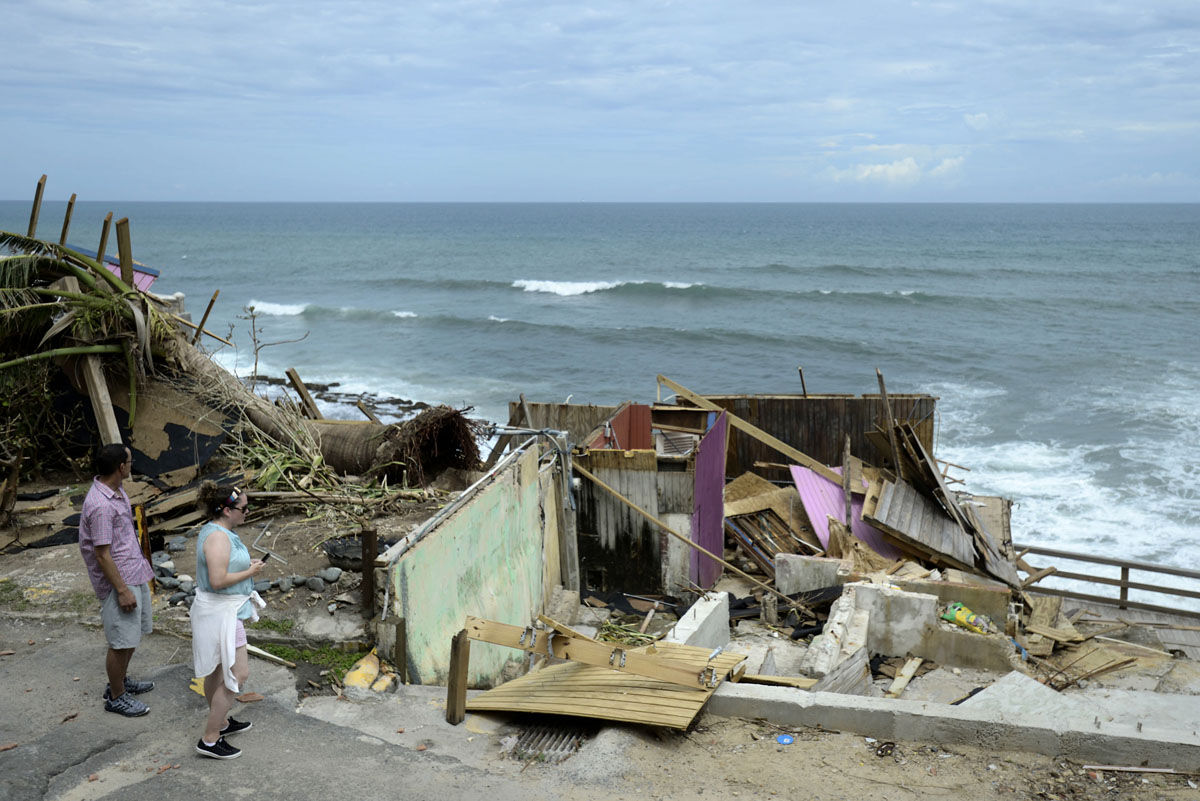
Hurricane Maria: The Humanitarian Crisis That Shook Puerto Rico
When Hurricane Maria barreled across the Caribbean on September 20, 2017, it was more than a weather event; it became a devastating human tragedy. The island’s infrastructure was left in shambles, and the loss of life was staggering. While official figures reported 64 confirmed deaths, many experts believe the true toll may have risen into the thousands due to power outages, water shortages, and limited access to medical care. The following article delves into the scale of the devastation, the challenges in counting deaths, and the long‑term repercussions for Puerto Rico’s communities.
Hurricane Maria Deaths in Puerto Rico: A Stark Reality
Hurricane Maria’s Category 4 intensity slammed Puerto Rico with wind speeds exceeding 150 mph and a catastrophic storm surge that inundated coastal towns. The sheer force of the winds toppled power lines, leaving the entire island without electricity for days. Hospitals struggled to keep operating rooms functional; life‑support equipment faltered, and many patients were forced to evacuate or await emergency services that could not reach them.
In the immediate aftermath, the death toll climbed quickly. Official counts began at 17 and grew as bodies were recovered. However, the chaotic conditions—blocked roads, damaged bridges, and overwhelmed morgues—meant many deaths went unregistered. Epidemiologists estimate that the actual number of fatalities could range from 1,000 to 5,000, a figure that underscores the difficulty in tallying losses during a disaster of this magnitude.
Beyond the confirmed deaths, secondary fatalities—such as drownings, heart attacks, and accidents—rose sharply. Without potable water, people resorted to contaminated sources, leading to outbreaks of cholera and other waterborne illnesses that claimed additional lives in the weeks that followed.
Infrastructure Collapse and the Domino Effect
The hurricane’s impact on infrastructure created a domino effect that amplified the death toll. A fully functional power grid is essential for hospitals, water treatment plants, and refrigeration for food supplies. With no power for over a month, food and medication supplies spoiled, and the risk of foodborne illnesses increased.
Water supply systems were crippled by flooding and contamination. Residents had to rely on bottled water, and in some cases, people collected rainwater from roofs—an approach that exposed them to bacterial contamination. The lack of clean water exacerbated respiratory illnesses, particularly in vulnerable populations such as the elderly and those with chronic conditions.
Transportation infrastructure was also devastated. Major highways were washed away, and bridges collapsed, isolating entire towns. Rescue teams struggled to reach isolated communities, delaying medical interventions that could have saved lives.
Emergency Response: Gaps and Lessons Learned
The federal response to Hurricane Maria faced criticism for its delayed arrival and insufficient resources. While the National Guard and FEMA dispatched teams, logistical challenges—such as blocked ports and damaged airstrips—hampered relief efforts.
Local government officials were overwhelmed. Communication breakdowns, coupled with limited resources, made it difficult to coordinate relief distribution. Communities that had organized grassroots efforts played a vital role, distributing food and medical supplies through local churches and community centers.
Post‑hurricane studies highlighted several key lessons: the importance of a resilient power grid, the need for rapid damage assessment protocols, and the necessity of clear communication channels between federal agencies and local authorities. Future disaster planning must prioritize these lessons to mitigate loss of life.
Long‑Term Health Impacts and Population Displacement
Beyond the immediate death toll, the hurricane left lasting health consequences. Chronic conditions such as asthma, diabetes, and hypertension surged due to disrupted medication supply chains. Mental health issues, including PTSD and depression, rose among survivors grappling with trauma and loss.
Population displacement was another critical outcome. Many residents left Puerto Rico permanently, seeking stable jobs and healthcare in the mainland United States. This exodus strained both Puerto Rico’s demographic structure and the host communities, creating socioeconomic challenges that persist to this day.
Health infrastructure continues to recover, but the island faces ongoing shortages of trained medical personnel, which hampers efforts to treat both acute injuries and long‑term conditions.
Community Resilience: Stories of Hope
In the midst of tragedy, Puerto Rican communities showcased remarkable resilience. Local farmers resumed planting using salvaged equipment, and small businesses reopened with the help of micro‑loans. Community kitchens began producing meals with limited resources, fostering solidarity.
Religious institutions often became hubs of assistance, offering shelter, food, and counseling. These grassroots initiatives played a crucial role in maintaining morale and ensuring that survivors received both physical and emotional support.
International aid flowed in, but the most profound impact came from Puerto Ricans themselves, who demonstrated an unyielding spirit that has guided the island’s slow yet steady recovery.
Moving Forward: Building a More Resilient Puerto Rico
Rebuilding efforts have focused on modernizing critical infrastructure. Renewable energy projects, such as solar farms and microgrids, are being deployed to reduce dependency on a centralized grid. Water purification plants are being upgraded to ensure safe drinking water, even during future storms.
Health system reforms aim to increase the availability of essential medications and improve emergency response capabilities. Training programs for first responders emphasize rapid assessment and triage to reduce mortality rates in subsequent disasters.
Moreover, disaster preparedness campaigns now integrate community participation, ensuring that residents are informed about evacuation routes, emergency kits, and communication strategies.
Frequently Asked Questions
- What is the estimated death toll from Hurricane Maria? Official counts reached 64 confirmed deaths, but many experts estimate the true figure could be between 1,000 and 5,000, accounting for unregistered fatalities.
- Why did Puerto Rico experience so many secondary deaths? Secondary deaths stemmed from power outages, contaminated water, and lack of medical services, leading to heart attacks, infections, and drowning.
- How is Puerto Rico rebuilding its infrastructure? Efforts include installing solar microgrids, modernizing water treatment plants, and expanding emergency medical training.