How to Study Islamic Finance for Free: Top Online Courses
Curious about Islamic finance but hesitant about tuition fees? You’re not alone. Many aspiring professionals and students are scouting for free Islamic finance courses online that deliver solid fundamentals without draining a budget. Fortunately, the digital learning boom has spawned a handful of reputable platforms offering structured, credential‑friendly programs at no cost. Below, we walk through the most reliable options, what each typically covers, and how to get the most out of a self‑directed study plan.
Free Islamic Finance Courses Online: Where to Start
Before you dive in, it helps to outline a simple roadmap. First, decide whether you need a broad introduction or a niche focus—such as sukuk, takaful, or Sharia‑compliant banking. Next, assess the credibility of the provider; look for affiliations with recognized universities, Islamic finance institutes, or reputable fintech firms. Finally, set realistic milestones—most free programs are self‑paced, so a weekly schedule keeps momentum without feeling overwhelming.
University‑Backed Platforms
Several universities now host open‑access modules that mirror their on‑campus curricula. These courses often come with downloadable lecture notes, recorded webinars, and optional peer forums.
- Islamic Finance Fundamentals – University of Malaya (Coursera): A six‑week series covering the principles of riba, risk‑sharing contracts, and the regulatory landscape across Gulf and Southeast Asian markets. While the core content is free, a modest fee unlocks a verified certificate.
- Principles of Islamic Banking – Qatar University (edX): This introductory module blends theory with case studies of real‑world banks. Learners can audit the course at no charge and receive a shareable badge upon completion.
- Sharia‑Compliant Investment Strategies – International Islamic University Malaysia (FutureLearn): Focuses on asset allocation, ethical screening, and the mechanics of sukuk issuance. The free tier includes all video content and discussion boards.
Specialized Institutes and Industry Partnerships
For those looking beyond the basics, dedicated Islamic finance bodies provide more granular training. These programs tend to be shorter but dive deep into specific products or regulatory frameworks.
- AAOIFI Training Hub (Free Modules): The Accounting and Auditing Organization for Islamic Financial Institutions offers free e‑learning snippets on topics like Islamic accounting standards and audit practices. Materials are concise, making them ideal for busy professionals.
- Islamic Development Bank Academy (IDB Academy): Periodically releases free webinars covering emerging trends like fintech integration and green sukuk. Registrants gain access to slide decks and live Q&A sessions.
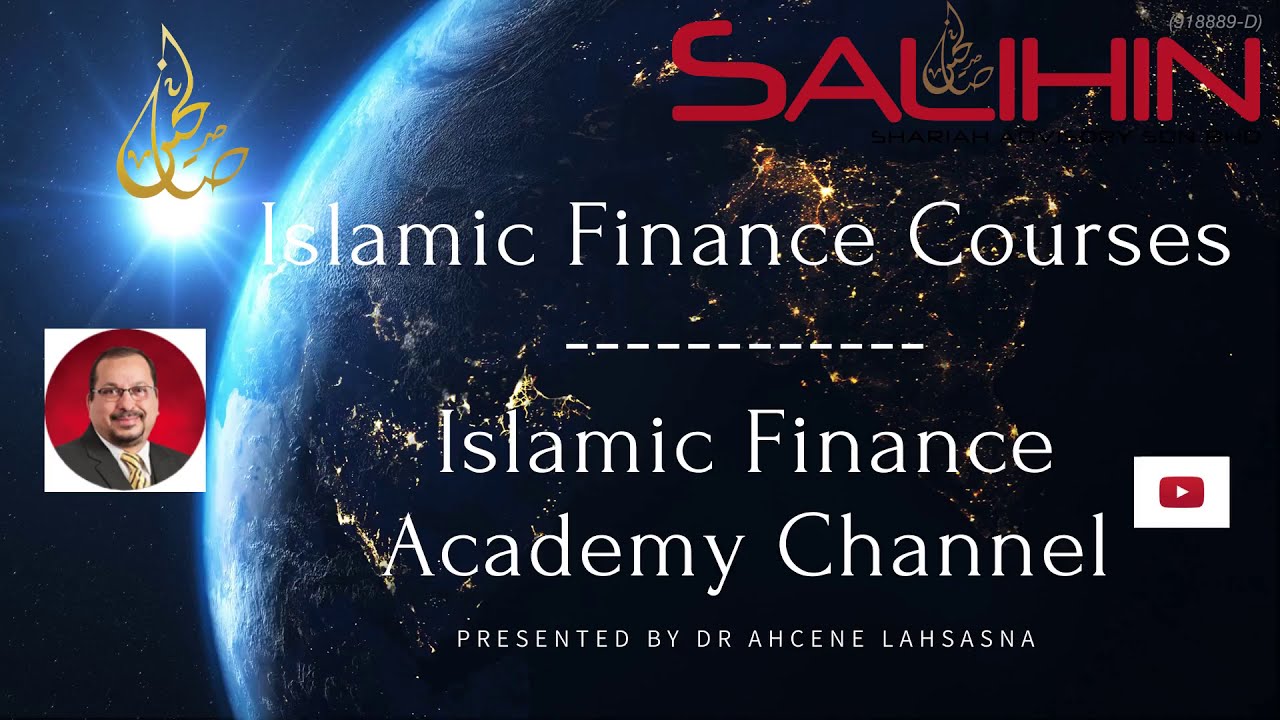
- Islamic Finance Academy (IFA) – YouTube Channel: Though not a formal course, IFA curates playlists that walk viewers through the mechanics of murabaha, ijara, and mudarabah contracts. The visual format helps demystify complex calculations.
Self‑Study Bundles and Open‑Source Resources
When formal platforms feel too structured, assembling a DIY learning kit can be rewarding. Here’s a practical mix that covers theory, practice, and assessment:
- Textbooks*: “Islamic Finance: Theory and Practice” by Mahmoud El‑Gamal (available via open‑library portals) provides a comprehensive foundation.
- Research Papers*: The International Journal of Islamic and Middle Eastern Finance and Management publishes open‑access articles on contemporary issues—great for staying current.
- Podcasts*: “The Islamic Finance Podcast” releases weekly episodes that interview industry veterans, offering real‑world insights you won’t find in a syllabus.
- Quizzing Apps*: Platforms like Quizlet host user‑generated flashcard sets on key terms such as “halal,” “zakat,” and “Mudaraba.”
Tips for Maximizing Free Learning
Free courses are a fantastic entry point, but they require discipline. Consider these strategies to ensure you retain knowledge and can showcase it to potential employers:
- Set a weekly learning goal: Even 30 minutes a day adds up. Mark progress on a calendar to build habit.
- Engage with community forums: Asking questions on Coursera’s discussion boards or LinkedIn groups deepens understanding and expands your network.
- Apply concepts in a mock portfolio: Use spreadsheet models to simulate sukuk pricing or profit‑sharing arrangements. Practical application cements theory.
- Document achievements: Compile a digital badge portfolio or a simple PDF summary of completed modules—this can be attached to a CV or LinkedIn profile.
Are Free Certificates Worth It?
Most platforms offer an optional paid upgrade for a certificate. While a free badge signals effort, a verified certificate can add credibility, especially if you’re entering the job market. If you’re unsure, start with the audit mode; later, if a specific course aligns with a career goal, invest in the credential.
Frequently Asked Questions
What is the difference between a free audit and a paid certificate?
Auditing grants access to all instructional content, quizzes, and discussion forums without a cost. A paid certificate typically includes a graded assessment, a verifiable digital badge, and sometimes additional resources like mentorship sessions.
Can I combine multiple free courses to earn a recognized qualification?
Some universities offer micro‑credential pathways where completing several related modules may count toward a larger credential, but this varies by institution. Check the provider’s policy before stacking courses.
Do free courses cover the latest regulatory changes in Islamic finance?
Most reputable providers update their curricula annually, especially those linked to active research centers. However, for cutting‑edge developments—like the rise of digital sukuk—supplementary webinars or industry reports are advisable.
Is prior knowledge of conventional finance required?
Not necessarily. Introductory courses assume no background and start with fundamental concepts like the prohibition of interest. More advanced tracks may expect familiarity with basic accounting or economics.