How to Secure a Solvency Certificate in Tamil Nadu
What Is a Solvency Certificate and Why You Might Need One
A solvency certificate is an official document that confirms an individual or a business has no outstanding liabilities with the state government. In Tamil Nadu, this certificate is often required for property transactions, loan applications, and certain government tenders. Obtaining it demonstrates financial credibility and can smooth the path for legal or commercial procedures.
Eligibility Criteria for a Solvency Certificate in Tamil Nadu
Before you start the application, make sure you meet the basic requirements. The applicant must be a resident of Tamil Nadu and should not have any pending tax dues, unpaid court fees, or municipal charges. Both individuals and registered firms are eligible, provided they can furnish proof of identity and address.
Step‑By‑Step Process to Apply
The procedure is relatively straightforward, but attention to detail can save you a trip back to the office.
Gather Required Documents
- Proof of identity – Aadhaar card, PAN card, or voter ID.
- Address proof – recent utility bill, rent agreement, or passport.
- Income proof – latest salary slip, bank statement, or tax return.
- No‑objection certificates (if applicable) from banks or lenders.
- Application form (available at the Sub‑Registrar office or online portal).
Visit the Sub‑Registrar Office or Apply Online
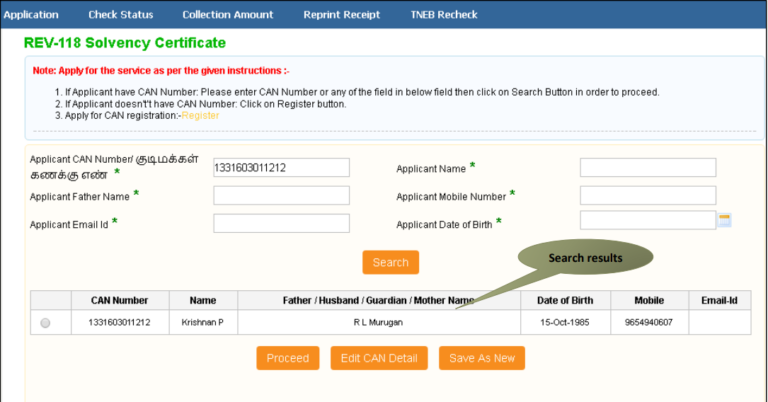
Traditionally, the application is submitted at the Sub‑Registrar office of the district where you reside. Many districts now offer an e‑service portal; you can upload scanned copies of the documents, pay the fee digitally, and track the status. Choose the method that best fits your schedule.
Complete the Application Form
Whether online or on paper, fill in the form accurately. Mistakes in names, dates, or property details often lead to rejections. After entering the data, attach the required documents and sign the form.
Pay the Processing Fee
The fee varies by district but typically ranges from ₹200 to ₹500. Payments can be made in cash at the office counter or through online banking, debit/credit cards, or UPI on the portal.
Verification and Issuance
Once submitted, a clerk will verify your records against the state’s revenue database. If everything checks out, the solvency certificate is printed and handed over within 7‑10 working days. Some districts provide a provisional digital copy that becomes final after physical verification.
Common Pitfalls and How to Avoid Them
- Missing documents: Double‑check the checklist before you leave home or hit “submit.”
- Outstanding dues: Clear any pending property tax or municipal bills; otherwise, the certificate will be denied.
- Wrong address: Ensure the address on your ID matches the one on the application; mismatches trigger delays.
- Incomplete fees: Pay the exact amount; partial payments often require a fresh transaction.
Fees, Processing Time, and Validity
The fee is modest, reflecting the administrative cost rather than any substantive service charge. Processing time typically spans 7‑10 days, though high‑traffic periods (e.g., end of the financial year) can extend this to two weeks. Once issued, a solvency certificate remains valid for six months for most purposes, but specific agencies may impose shorter windows.
Frequently Asked Questions
Can I get a solvency certificate online without visiting the office?
Yes, many districts in Tamil Nadu have an e‑service portal. You upload scanned documents, pay the fee electronically, and receive a provisional PDF that becomes official after verification.
What if I have a pending loan with a bank?
A pending loan does not automatically disqualify you, but you will need a no‑objection certificate from the lending bank stating that the loan does not affect your solvency status.
Is a solvency certificate required for selling a house?
While not mandatory in every transaction, many buyers and real‑estate agents request it to confirm that the seller has no hidden liabilities that could affect the property's title.
How long does the certificate remain valid for government tenders?
Most government departments accept a solvency certificate that is no older than three months at the time of tender submission. Always verify the specific requirement in the tender notice.