How Coaches Can Maximize Athletic Intensity
When a team’s performance feels stuck, the first place to look is the intensity of each training session. Coaches who learn to crank up the physiological and mental demand—without courting injury—often see breakthroughs in speed, power, and resilience. This guide walks you through the science, the practical tools, and the everyday habits that let you raise the bar for every athlete under your watch.
Understanding Athletic Intensity
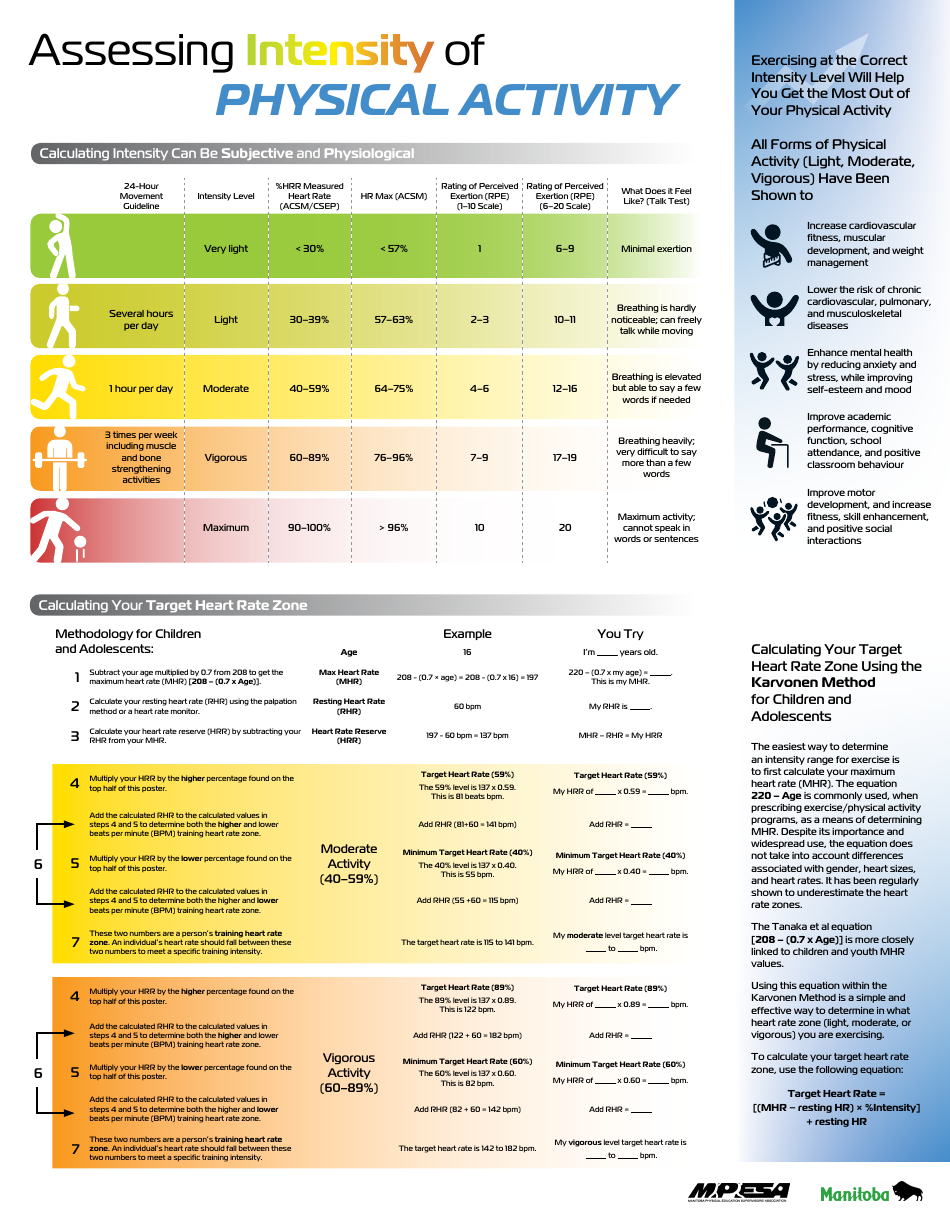
Intensity isn’t just a buzzword; it’s the proportion of effort an athlete puts into a specific activity relative to their maximum capacity. In simple terms, a high‑intensity drill pushes the heart rate, lactate production, and neuromuscular activation close to the athlete’s limits, while a low‑intensity one stays comfortably within the aerobic zone. Recognizing this spectrum helps you decide when to dial up the pressure and when to let the body recover.
Two factors shape intensity: external load (the amount of work you prescribe—distance, repetitions, weight) and internal load (how the athlete’s body actually responds). Monitoring both sides is crucial; a heavy set that feels easy for a seasoned sprinter might still be too taxing for a novice.
Designing High‑Impact Sessions
The first step is to structure workouts so that the most demanding elements land when athletes are freshest. Many coaches use a “priority‑first” approach: place speed, power, or tactical drills at the beginning of the session, then follow with technical or conditioning work that demands less neuromuscular focus.
Periodization—breaking the season into macro, meso, and micro cycles—gives a roadmap for when to peak intensity. For example, a four‑week block might feature two high‑intensity days, two moderate days, and one active‑recovery day, gradually increasing the work‑to‑rest ratio before a planned taper.
Balancing Load and Recovery
Even the best‑designed plan will flop if athletes don’t recover adequately. Recovery isn’t just sleep; it includes nutrition timing, active‑recovery drills, and mental decompression. Tools like RPE (Rate of Perceived Exertion) scales let players self‑report how hard a session felt, giving coaches a real‑time gauge of cumulative fatigue.
When an athlete consistently reports high RPE scores, consider cutting the load by 10‑15 % or swapping a plyometric circuit for a mobility routine. Small tweaks like this preserve the intensity of future sessions while keeping injury risk low.
Leveraging Technology and Data
Wearables have turned the guesswork out of intensity into a data‑driven process. Heart‑rate monitors, GPS units, and inertial measurement sensors capture metrics such as time spent in high‑intensity zones, acceleration bursts, and impact forces.
Integrating these numbers into a simple dashboard helps you spot trends—like an athlete whose sprint‑repeat distance drops week over week. You can then intervene early, adjusting load before performance dips become chronic.
Motivation and the Mental Edge
Physical intensity is only half the story; mental intensity fuels the effort needed to sustain it. Goal‑setting, visualisation, and brief, high‑energy team talks before a drill can push players into a more focused state.
Consider incorporating “challenge minutes” where athletes compete in short, all‑out bursts—think 30‑second sprints or 10‑rep max lifts—with immediate feedback. The competitive spark often raises heart rates naturally, amplifying the physiological load without extra equipment.
Putting It All Together: A Sample Weekly Blueprint
- Monday – Power & Speed: 15‑minute dynamic warm‑up, 4×30 m sprints (full recovery), 3×5 m medicine‑ball throws, cool‑down mobility.
- Tuesday – Technical + Light Conditioning: Skill drills at 60 % max effort, followed by 20‑minute low‑intensity jog.
- Wednesday – Plyometric Circuit: 5‑minute activation, 5×10 box jumps, 4×6 depth jumps, RPE check, brief foam‑rolling.
- Thursday – Tactical Game Play: Small‑sided games with a rule that forces high‑intensity transitions, continuous heart‑rate monitoring.
- Friday – Active Recovery: Light swimming or yoga, emphasis on breathing and flexibility.
- Saturday – Match Simulation: Full‑court scrimmage with interval scoring, post‑session data review.
- Sunday – Rest: No structured activity; encourage sleep hygiene and nutrition planning.
Frequently Asked Questions
What’s the best way to measure intensity during a practice? Combining heart‑rate zones with RPE scores offers a quick, low‑tech solution. For teams with budgets, GPS and accelerometer data add a layer of precision.
How often should high‑intensity drills be scheduled? Most elite programs use them 2–3 times per week, ensuring at least 48 hours of lighter work or recovery between sessions to avoid overtraining.
Can intensity be increased without adding more volume? Yes. Shortening rest intervals, adding tempo variations, or introducing competition can raise internal load while keeping total work time constant.
What role does nutrition play in supporting higher intensity? Carbohydrate timing—especially within the 30‑minute window post‑session—helps replenish glycogen, while adequate protein supports muscle repair, allowing athletes to tolerate tougher workouts.