How a Dutch Ancestry DNA Test Can Reveal Your Family History
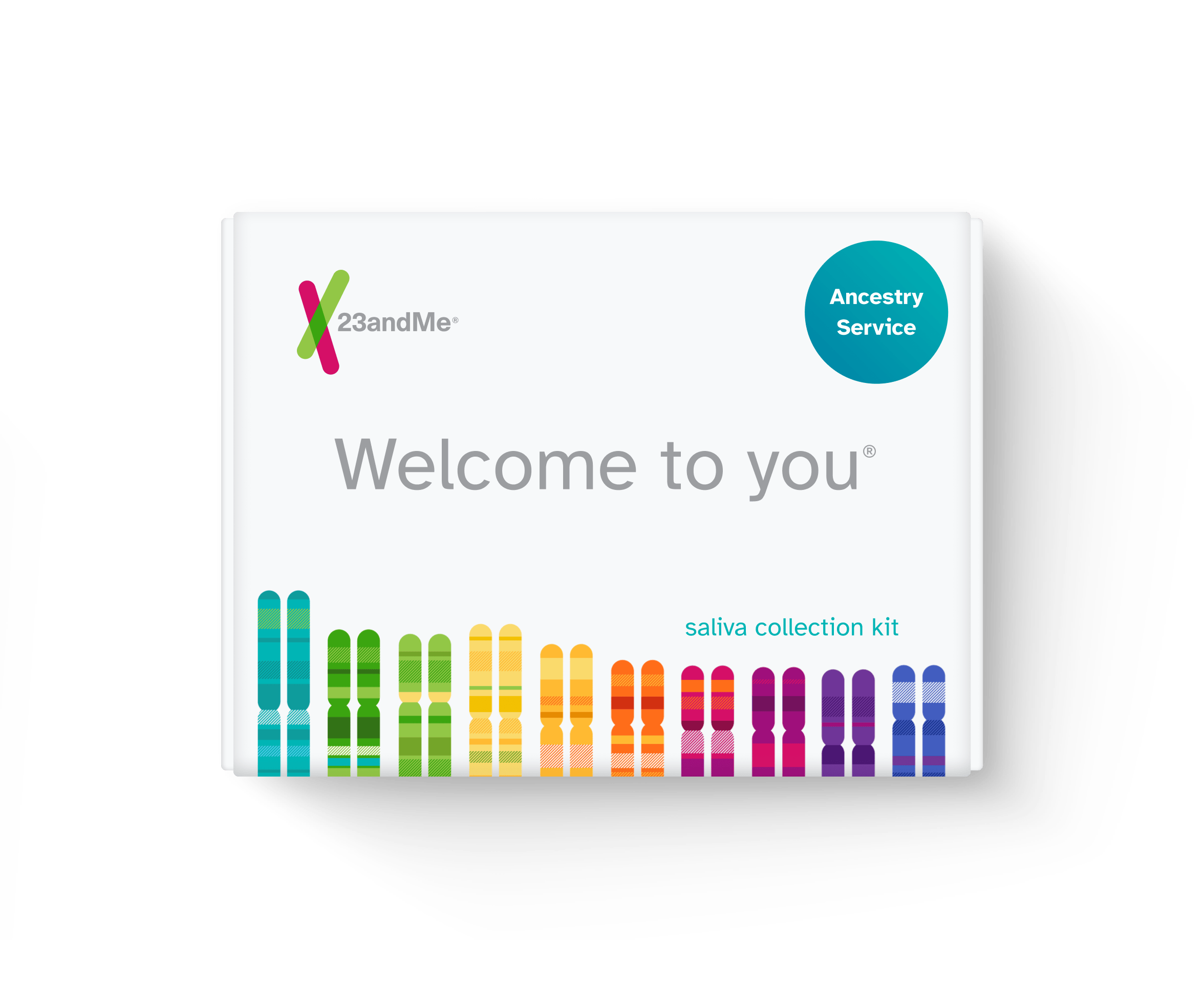
Curious about where your Dutch ancestors came from? An Ancestry DNA Test Netherlands offers a modern shortcut to the stories hidden in old archives, church books, and family lore. By sending a simple saliva sample to a lab, you receive a breakdown of genetic heritage, potential regional connections, and even distant cousin matches—all without dusting off a single parchment.
What the Test Actually Analyzes
Most commercial kits focus on autosomal DNA, the 22 chromosome pairs you inherit from both parents. This portion captures a broad snapshot of ancestry up to about five or six generations back. In the Dutch context, the results often highlight three layers:
- Regional percentages – e.g., North Holland, Limburg, or even a hint of neighboring German or Belgian roots.
- Ethnic clusters – groups like “North Sea Germanic” or “Western European” that reflect historical migrations.
- Relative matches – DNA‑shared users who have also taken the test and may be distant cousins.
Because the Dutch population has moved relatively freely across borders over centuries, these categories can blend in intriguing ways.
Choosing the Right Kit for Dutch Genealogy
Not every DNA service is created equal, and a few nuances matter if you live in the Netherlands or have Dutch heritage:
- Database size – Larger reference panels increase the chance of finding meaningful regional matches. Companies with strong European user bases tend to provide more precise Dutch breakdowns.
- Privacy policy – Dutch privacy law (AVG) is strict; ensure the provider complies with GDPR and offers clear opt‑out options.
- Additional tools – Some kits include access to historic Dutch records or partner with local genealogical societies, which can be a huge plus.
Reading reviews from Dutch users or forums can reveal which service delivers the most accurate regional insights.
How to Prepare Your Sample and What to Expect
Getting started is straightforward: order a kit, follow the collection instructions, and mail the tube back. Here are a few tips that often slip past the basic pamphlet:
- Don’t eat, drink, or smoke for at least 30 minutes before spitting—this helps keep the DNA concentration high.
- If you’ve recently taken antibiotics, wait a few days; some meds can interfere with the DNA extraction.
- Label the tube with your full name and the date, especially if you’re sharing kits with family members.
After the lab receives your sample, most providers take 2–3 weeks to process it. The online portal then displays a colorful map of your ancestry, a list of genetic communities, and a “DNA Matches” section.
Interpreting Regional Results: The Dutch Twist
Seeing “30% North Holland” might feel like a neat badge, but the reality is a bit fuzzier. The genetic markers tied to a specific Dutch province often overlap with those found in adjacent regions. Therefore, a strong North Holland signal could also hint at historical ties to Friesland or even the coastal parts of Germany.
To make sense of these percentages, consider combining the DNA data with traditional genealogy research:
- Check municipal archives for birth, marriage, and death records that match the time frame suggested by your DNA.
- Look for surnames that cluster in particular provinces—some names are uniquely Frisian, while others are common in Zeeland.
- Use online Dutch genealogical databases, many of which now accept DNA upload to cross‑reference potential relatives.
This hybrid approach often uncovers patterns that pure DNA or pure paperwork alone would miss.
Finding and Connecting with DNA Relatives
One of the most exciting (and sometimes emotional) parts of the journey is the “DNA Matches” list. When a fellow tester shares a significant amount of DNA—typically over 50 centimorgans—you may be looking at a third‑cousin or closer.
Reaching out to matches is usually as simple as sending a polite message through the testing platform. Dutch users often appreciate a brief introduction, a mention of the shared ancestor, and a request to exchange family trees. Remember to respect privacy: not everyone wants to dive deeper, and some may prefer to stay anonymous.
Limitations and Things to Keep in Mind
No test can paint a perfect picture. Here are a few realistic constraints:
- Time depth – Autosomal DNA loses resolution beyond five generations; deeper lineage often requires Y‑DNA or mitochondrial testing.
- Reference bias – If a company’s database has few Dutch participants, regional estimates may be broader or less accurate.
- Admixture complexities – Historical events like the Eighty Years’ War or the influx of French Huguenots can blend genetic signatures, making neat province assignments tricky.
Understanding these limits helps set expectations and prevents disappointment when results feel “blurry.”
Beyond the Test: Next Steps for Dutch Genealogy Enthusiasts
Once you’ve decoded the initial report, the real adventure begins. Consider these follow‑up actions:
- Join a Dutch genealogical society—many host webinars on interpreting DNA results.
- Explore the Haplogroup section if you’re interested in deep paternal or maternal lines; certain haplogroups have strong ties to the Low Countries.
- Invest in a second kit for a close relative (parent, sibling, or grandparent) to triangulate shared segments and tighten the family tree.
Each step adds layers of confidence and context to the story your DNA is trying to tell.
FAQ
How accurate are ancestry DNA tests for people living in the Netherlands?
Generally, they are reliable for identifying broad regional trends and recent relatives. Accuracy improves as the provider’s database grows with more Dutch participants. However, pinpointing a specific city or village solely from autosomal DNA remains challenging.
Do I need a passport or any special documentation to order a DNA kit in the Netherlands?
No, ordering a kit is as simple as any online purchase. You only need a valid mailing address. The sample itself is anonymous until you upload your personal information on the test’s portal.
Can I combine results from different DNA companies?
Yes, many users upload raw data from one service into another’s analysis tool. This can broaden the reference pool and sometimes reveal matches missed by a single provider.
What about privacy—can my data be shared with third parties?
Reputable companies adhere to GDPR and let you control data sharing. You can usually opt out of research use and decide whether to enable DNA matching with other users.