How to Change the Spark Plugs on a Nissan 350Z: A Step‑by‑Step Guide
Every driver knows that a misfiring engine is a nightmare on the road, and a common culprit is old spark plugs. If you own a Nissan 350Z, this quick yet thorough guide will walk you through every stage of a 350Z spark plug change, from gathering tools to final checks. By the time you’re done, you’ll have a smoother throttle response, better fuel economy, and a renewed sense of confidence behind the wheel.
350Z Spark Plug Change: What You Need to Know
Before you pry anything loose, ask yourself why you’re swapping plugs. Manufacturers typically recommend replacing plugs every 30,000–40,000 miles. For a 350Z’s high‑revving V‑6, fresh plugs can lift power by a few horsepower and improve throttle feel.
Tools and Materials You’ll Need
- Socket set with 13‑mm spark plug socket and extension bar
- Torque wrench (recommended 22–25 lb‑ft for 350Z plugs)
- Anti‑seize lubricant or a small amount of dielectric grease
- Replacement spark plugs (marketed for the 350Z’s 3.5‑L V‑6)
- Wire brush or small scraper for the spark plug wells
- Work gloves and safety glasses
Preparing the Vehicle for the Swap
Disconnecting the Battery
Start with safety in mind. Loosen the negative battery terminal, then the positive. This stops any accidental short circuits while you’re working around the engine.
Removing the Spark Plug Wires or Coil Packs
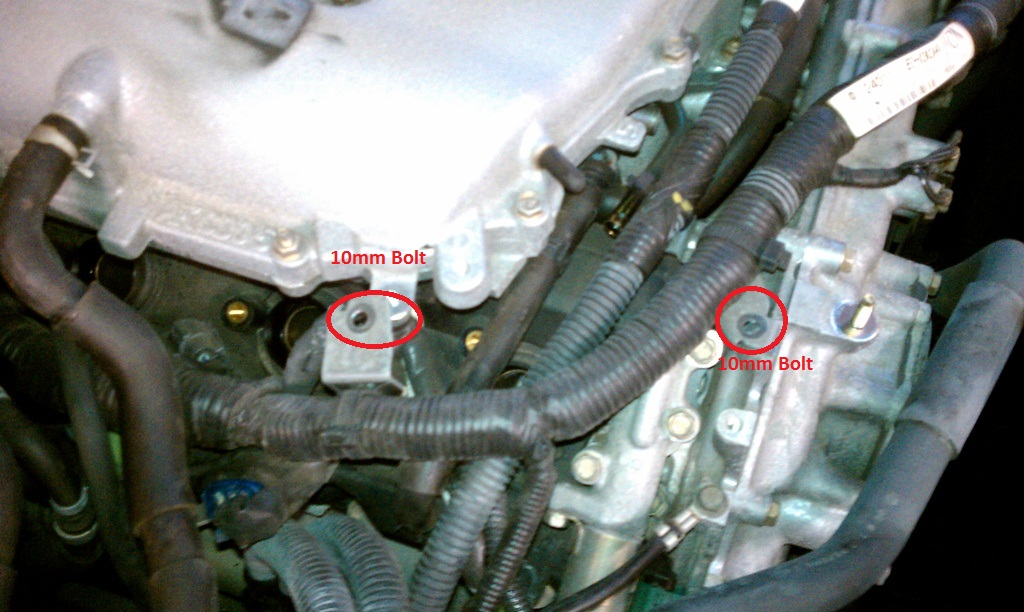
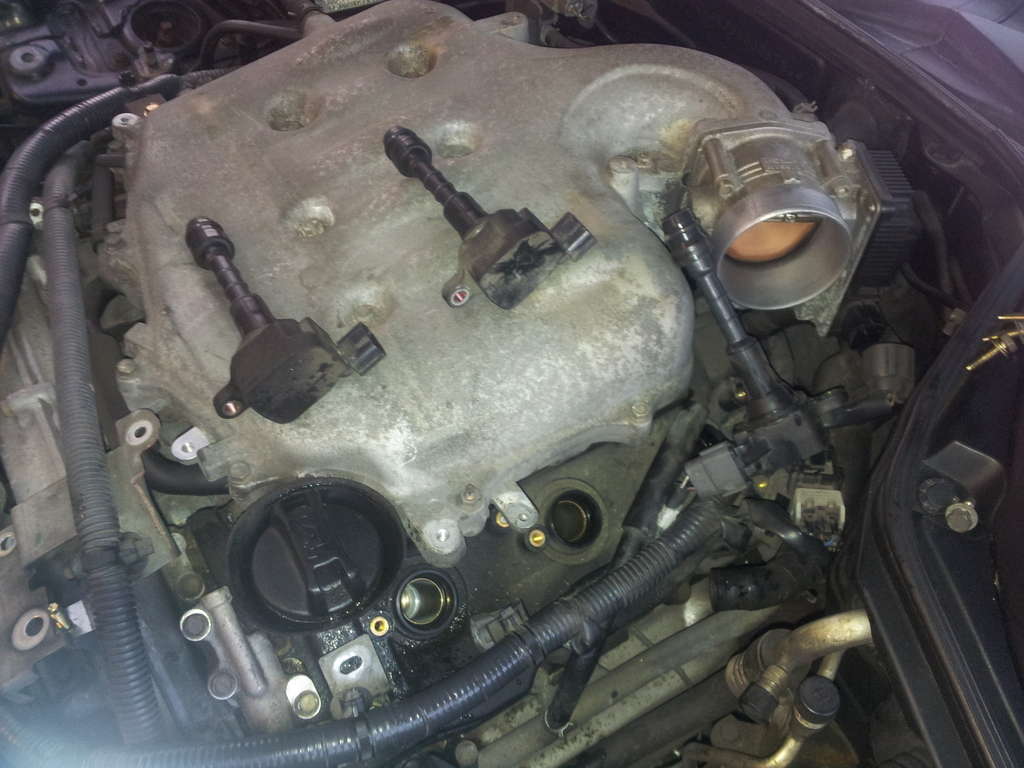
The 350Z uses coil‑on‑plugs. Snap off each plug cover carefully, then slide the coil pack out of the well. Keep the coils in the order they were removed—labeling them with masking tape helps avoid confusion.
Removing the Old Spark Plugs
Position the spark plug socket over the first plug. Apply steady pressure, then turn counter‑clockwise with a breaker bar if needed. Once free, pull the plug straight out and inspect it for fouling or wear. A cracked or pitted plug is a sign to replace all plugs.
Installing New Spark Plugs
Before inserting a new plug, apply a tiny bead of anti‑seize to the threads. Thread the plug by hand until it’s snug, then use the torque wrench to tighten to 22–25 lb‑ft. Avoid over‑tightening, which can damage the threads or the cylinder head.
Sealing the Coil Packs
Slide each coil pack back into its well, ensuring the contact pins align with the spark plug terminals. Tighten any mounting screws with a ratchet—usually a simple 13‑mm socket will suffice.
Post‑Installation Checklist
Tightening Torque Specifications
Re‑check all plugs with the torque wrench. A second pass can catch any oversights from the initial tightening.
Re‑checking for Leaks and Proper Operation
Reconnect the battery, start the engine, and listen for smooth idle. A slight bump in idle can be normal as the new plugs warm up. If you hear a rough idle or misfire, double‑check the coil connections and spark plug seating.
Troubleshooting Common Issues
- Engine stalls after start: The new plugs might be too loose—tighten to the recommended torque.
- No spark on one cylinder: Inspect the coil pack for bent pins or a loose connection.
- Reduced power: Verify that all plugs are of the same brand and heat range; mismatched heat can cause poor combustion.
FAQs
- Do I need to replace all plugs at once? Yes—mixing old and new plugs can create uneven combustion and uneven wear.
- Can I use aftermarket plugs? Absolutely. Just ensure they match the OEM specifications for heat range and thread size.
- How often should I check the spark plug gap? Inspect the gap during each plug change; a properly gapped plug ensures optimal spark.