Everything You Need to Know About Brubank’s SWIFT Code
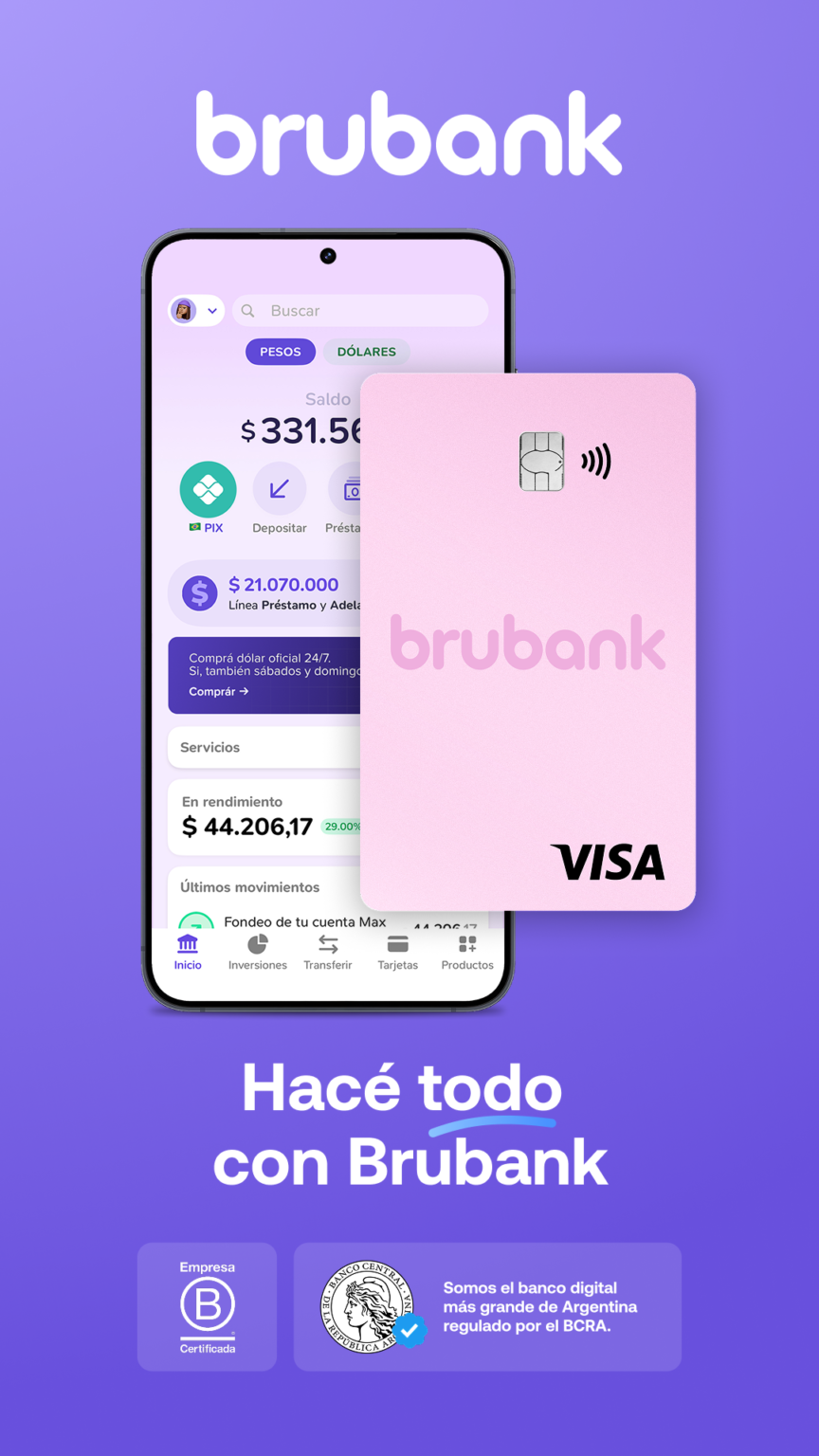
If you’ve ever tried to move money across borders, you’ve probably encountered the term “SWIFT code.” For customers of Brubank, Argentina’s fully digital bank, knowing the correct SWIFT code is essential to avoid delays or extra fees. Below we unpack what the code looks like, why it matters, and how to use it safely.
What Is a SWIFT Code and Why It Matters
A SWIFT code—also called a BIC (Bank Identifier Code)—is an eight‑ or eleven‑character string that uniquely identifies a financial institution in the global banking network. When you send an international wire, the code tells the sending bank exactly where to route the funds. Without it, the transaction may bounce back or be routed through an intermediary, adding both time and cost.
In practice, the SWIFT code contains four parts: the bank code, the country code, the location code, and an optional branch code. For most digital banks, the branch segment is omitted, leaving an eight‑character identifier.
Brubank’s SWIFT Code Details
Brubank’s official SWIFT code is BRUBARBA. Breaking it down:
- BRUB – the bank identifier for Brubank.
- AR – the ISO country code for Argentina.
- BA – the location code, representing Buenos Aires.
Because Brubank operates without physical branches, there’s no additional three‑character branch suffix. If you ever see a longer version, double‑check with the bank’s support team; it’s likely a typo.
How to Use the Code for International Transfers
When initiating an outward transfer from a foreign bank, you’ll typically be asked for the following details:
- Recipient name (exactly as it appears on the Brubank account).
- Recipient account number (the 22‑digit CBU or the alias you’ve set up).
- Brubank’s SWIFT code: BRUBARBA.
- Bank address – you can use “Buenos Aires, Argentina” since Brubank has no physical branches.
Enter the information carefully; even a single misplaced character in the SWIFT code can cause the funds to be held up. After submitting, most banks provide a tracking reference; keep it handy in case you need to follow up.
Receiving Money into a Brubank Account
Incoming wires work the same way, but you’ll need to give the sender your full CBU (Clave Bancaria Uniforme) and the SWIFT code. Brubank’s app displays the CBU prominently on the “Receive Money” screen, and the SWIFT code is listed in the “Bank Details” section.
One quirk worth noting: Brubank does not charge inbound SWIFT fees, but the sending bank may apply its own charges. These are usually deducted from the amount you receive, so you may want to ask the sender to cover any fees on their end.
Common Mistakes to Avoid
Confusing the CBU with the alias. The CBU is a 22‑digit number required for SWIFT transfers; an alias (a simple nickname) works only for domestic transfers within the app.
Leaving out the country code. The “AR” part of the SWIFT code tells the network that the destination is in Argentina. Omitting it can route the payment to a different country with a similar bank identifier.
Using outdated codes. Brubank’s SWIFT code has remained stable since its launch, but if you ever encounter a different string, verify it directly through the app’s support chat or the official website.
Security Tips for International Wire Payments
Before you share any banking details, make sure you’re dealing with a legitimate financial institution. Phishing attempts often masquerade as “transfer confirmations” that request you to change the SWIFT code at the last minute. Always cross‑check with Brubank’s official channels.
Consider using two‑factor authentication on both the sending and receiving accounts. Even if a hacker obtains your account number, they’ll still need the second factor to approve a high‑value transfer.
FAQ
Can I use a different SWIFT code for a Brubank branch?
No. Brubank operates without physical branches, so BRUBARBA is the only valid code.
Do I need to provide a branch code when sending money to Brubank?
Since the bank’s SWIFT identifier is eight characters long, the branch segment is omitted. Just use BRUBARBA.
What fees might I face when receiving a SWIFT transfer?
Brubank does not charge inbound fees, but the originating bank may deduct its own processing fee before the money reaches your account.
Is the SWIFT code the same as the IBAN?
Argentina does not use IBANs, so the SWIFT code combined with your CBU is the correct format for international transfers.