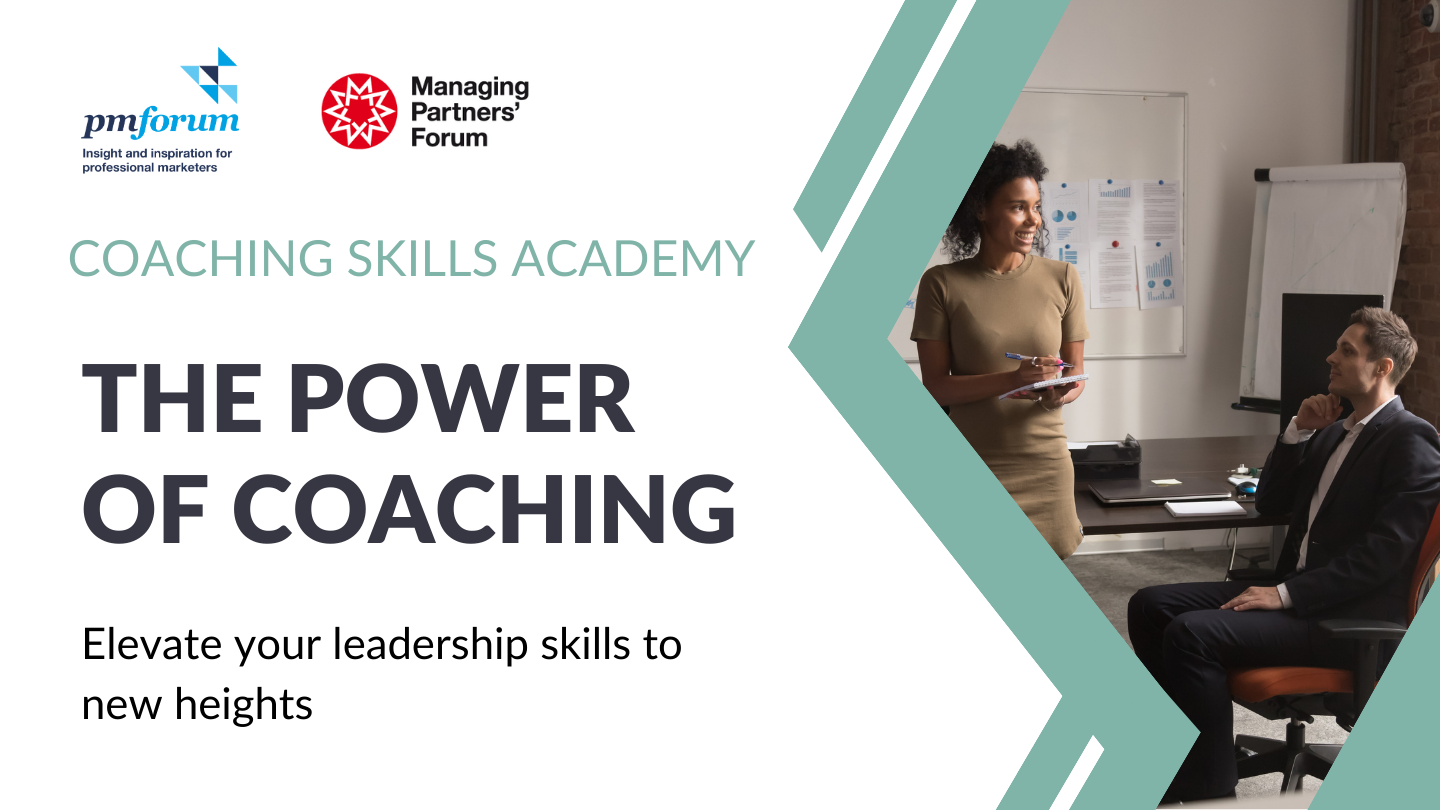
How Level 3 Coaching and Mentoring Can Elevate Your Skills
What Does Level 3 Coaching & Mentoring Actually Mean?
In the world of professional development, qualifications are often tiered to reflect depth of knowledge and practical ability. Level 3 Coaching & Mentoring sits just above the introductory stage, signalling that a practitioner can not only apply core coaching techniques but also tailor interventions to complex, real‑life scenarios. It’s a bridge between basic competence and the strategic insight required for senior‑level roles.
Why Move Beyond Level 2? The Core Benefits
- Enhanced credibility – Employers and clients recognize the badge as evidence of proven skill.
- Broader toolkit – You gain advanced questioning models, reflective practices, and ethical frameworks.
- Strategic impact – Level 3 practitioners are expected to align coaching outcomes with organisational goals.
- Higher earning potential – Many firms price Level 3 services at a premium.
How the Learning Journey Is Structured
Most programmes blend theory with hands‑on practice. You’ll start with a refresher on foundational models, then dive into specialised modules such as systemic coaching, group dynamics, and performance‑driven mentoring. Throughout, you’ll log a portfolio of live coaching sessions, each reviewed by a qualified assessor. The final assessment often combines a written case study with a recorded coaching demonstration.
What Skills Actually Get Sharpened?
Beyond the obvious—listening and questioning—Level 3 training hones several subtler abilities. You’ll learn to read organisational culture, navigate power dynamics, and co‑create development plans that stick. The emphasis on reflective practice means you become adept at spotting your own blind spots, a habit that pays dividends in every professional interaction.
Real‑World Applications: Where Level 3 Makes a Difference
Imagine a mid‑size tech firm trying to boost cross‑functional collaboration. A Level 3 mentor can design a structured peer‑coaching circuit, set measurable milestones, and evaluate progress against business KPIs. In another scenario, a senior manager preparing for a board role might enlist a Level 3 coach to refine strategic thinking, ensuring that personal development aligns with corporate vision.
Choosing the Right Programme for You
Not all Level 3 courses are created equal. Look for providers accredited by a reputable body such as the International Coach Federation (ICF) or the UK Coaching Standards Authority. Check whether the curriculum offers a blend of online theory and in‑person practice—many learners find face‑to‑face feedback indispensable. Finally, verify the assessor’s credentials; a seasoned coach can offer insights that textbooks simply cannot.
Time Commitment and Cost Considerations
Typical programmes run between 120 and 180 learning hours, spread over several months to accommodate working professionals. Fees can vary widely, from a few thousand pounds to upwards of ten thousand, depending on the depth of mentorship included. While the price tag may seem steep, many participants recoup the investment through promotions, consultancy contracts, or higher hourly rates.
Measuring Success After Certification
After you earn the Level 3 badge, the work of proving its value begins. Track metrics such as client retention, coaching session outcomes, and any measurable improvements in team performance. Gathering testimonials and case studies not only validates your expertise but also becomes powerful marketing material for future engagements.
Common Misconceptions to Avoid
One frequent myth is that Level 3 automatically makes you an “expert” in every coaching niche. In reality, the qualification equips you with a robust framework, but true mastery still requires ongoing practice and specialization. Another misconception is that the credential alone guarantees higher fees; clients still expect tangible results, so continuous professional growth remains essential.
Continuing Development: What Comes After Level 3?
Many coaches set their sights on Level 4 or a Master Practitioner status, which delves deeper into research‑based methods and large‑scale organisational change. Even without further formal qualifications, committing to regular supervision, peer‑review groups, and advanced workshops ensures that your skills stay sharp and relevant.
Frequently Asked Questions
Is prior coaching experience mandatory for Level 3?
Most providers expect you to have completed a Level 2 or equivalent foundation course, plus a handful of documented coaching hours. This ensures you can focus on advanced concepts rather than relearning basics.
Can I study Level 3 coaching while working full‑time?
Yes. Many courses are designed for busy professionals, offering flexible online modules, weekend workshops, and self‑paced assignments. The key is to allocate regular study blocks and stay engaged with peer feedback.
How does Level 3 differ from a typical mentoring program?
While traditional mentoring often follows a one‑way knowledge transfer, Level 3 coaching emphasizes reciprocal dialogue, goal‑setting, and measurable outcomes. The mentor‑coachee relationship becomes a partnership rather than a hierarchy.
Will a Level 3 certification improve my career prospects?
Generally, yes. Employers and clients view the qualification as proof of advanced capability, which can open doors to senior advisory roles, higher consulting fees, or internal leadership positions.