2025 Disaster Predictions: What Experts Say to Expect
When you hear “2025 disaster predictions,” the first image that pops into mind is often a dramatic storm or a sudden earthquake. In reality, the outlook blends climate trends, geopolitical shifts, and emerging technologies—all interacting in ways that make precise forecasting a challenge. Still, researchers and policymakers have identified several patterns that are likely to shape the next few years. Below, we unpack the most credible scenarios and what they could mean for everyday life.
Climate‑Driven Hazards on the Horizon
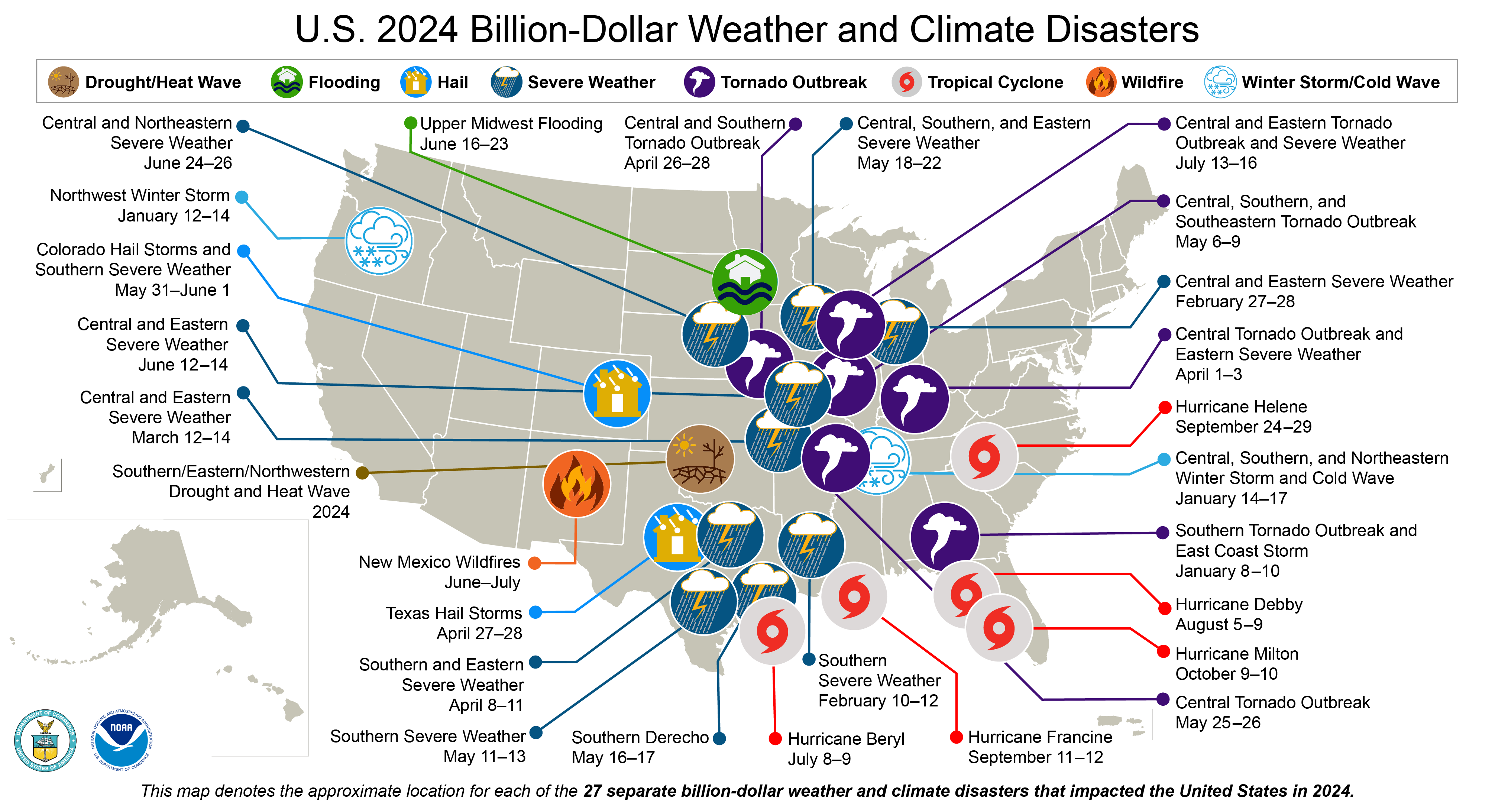
Warmer oceans, shifting jet streams, and a growing concentration of greenhouse gases set the stage for more extreme weather. While no single event can be pinpointed, the consensus among climatologists is clear: 2025 will see an uptick in both frequency and intensity of certain hazards.
- Heatwaves and wildfires – Regions already prone to scorching summers, such as the Mediterranean basin, the southwestern United States, and parts of Australia, are projected to experience longer, more intense heat spikes. The resulting dry vegetation dramatically raises wildfire risk, especially where land‑use planning lags behind growth.
- Coastal flooding – Sea‑level rise is gradual, but storm surges can amplify its impact. Modeling suggests that low‑lying delta cities (e.g., Bangkok, New Orleans, and the Mekong Delta) could see record‑setting inundation during a single tropical cyclone if tide levels align with a high‑intensity storm.
- Heavy precipitation events – Warmer air holds more moisture, translating into torrential rains in monsoon zones. Flood‑prone river basins in South Asia and Central Africa may confront flash‑flood scenarios that overwhelm existing drainage infrastructure.
These climate‑related threats aren’t isolated; they often trigger secondary problems—power outages, supply chain disruptions, and public‑health emergencies—that ripple far beyond the initial impact zone.
Geopolitical Tensions and Man‑Made Risks
Beyond nature’s fury, human actions can spark disasters of equal magnitude. Experts highlight three key arenas where conflict or mismanagement could spark crises in 2025.
Energy Infrastructure Vulnerabilities
Global demand for energy continues to climb, while the transition to renewables remains uneven. Aging oil pipelines, especially those crossing politically unstable regions, pose a latent explosion risk. A single rupture in a high‑traffic corridor could release hazardous chemicals, prompting evacuations that affect thousands.
Food‑Security Shockwaves
Climate stress combined with trade disputes may destabilize grain markets. If major exporters like Ukraine or Brazil face prolonged weather setbacks, price spikes could lead to civil unrest in import‑dependent nations, potentially spiraling into humanitarian crises.
Cyber‑Physical Attacks
The line between digital and physical realms blurs as more critical systems—power grids, water treatment plants, transportation networks—rely on interconnected software. A coordinated cyber‑attack on a regional grid could mimic a natural outage, leaving millions without electricity for days.
Technology’s Double‑Edged Role
Innovation offers tools to mitigate many of the threats listed above, yet it also introduces novel vulnerabilities.
- Early‑warning satellites – New constellations of low‑orbit sensors improve storm‑track accuracy, giving communities precious extra hours to prepare.
- AI‑driven risk modeling – Machine‑learning platforms can synthesize climate data, socioeconomic indicators, and infrastructure maps to flag high‑risk zones. However, reliance on opaque algorithms may obscure error sources, leading to false confidence.
- Decentralized energy storage – Battery farms and micro‑grids can keep neighborhoods powered when central stations fail, yet they also create new fire hazards if not properly regulated.
Balancing these benefits against the downsides requires thoughtful policy and robust standards—something many governments are still grappling with.
What Individuals Can Do Now
While large‑scale planning lies with authorities, personal preparedness remains a cornerstone of resilience. Here are three practical steps that make a difference without demanding major expense.
- Review and update your emergency kit at least once a year, ensuring you have enough water, non‑perishable food, and basic medical supplies for at least 72 hours.
- Map out multiple evacuation routes from your home or workplace, especially if you live near floodplains or wildfire‑prone hills.
- Stay informed through reliable sources—national weather services, local emergency management agencies, or trusted community apps—rather than relying solely on social media rumors.
These actions may feel modest, but when a disaster strikes, the cumulative effect of prepared households can ease the burden on emergency responders and reduce overall harm.
Frequently Asked Questions
Will 2025 see a major earthquake?
Earthquakes are notoriously hard to predict. Scientists can identify fault zones with elevated risk, but pinpointing a specific event in a given year remains beyond current capabilities. The safest approach is to ensure structures meet seismic standards, especially in known hotspots.
How reliable are the climate models for 2025?
Modern climate models incorporate vast amounts of observational data and have improved considerably over the past decade. While they reliably capture broad trends—such as rising heat extremes—they cannot forecast the exact timing of individual storms. Use them as a guide for long‑term planning, not as a precise day‑by‑day forecast.
What role does insurance play in disaster readiness?
Adequate coverage can speed recovery by providing funds for rebuilding or temporary relocation. Review policies to ensure they include flood, wildfire, and windstorm clauses appropriate for your region. Some insurers also offer risk‑reduction incentives, like discounts for installing fire‑resistant roofing.
Are there emerging technologies that could prevent disasters?
No technology can stop a hurricane from forming, but early‑detection systems, resilient building materials, and AI‑enhanced response coordination can significantly mitigate damage. Investment in these tools, paired with community education, offers the best path forward.