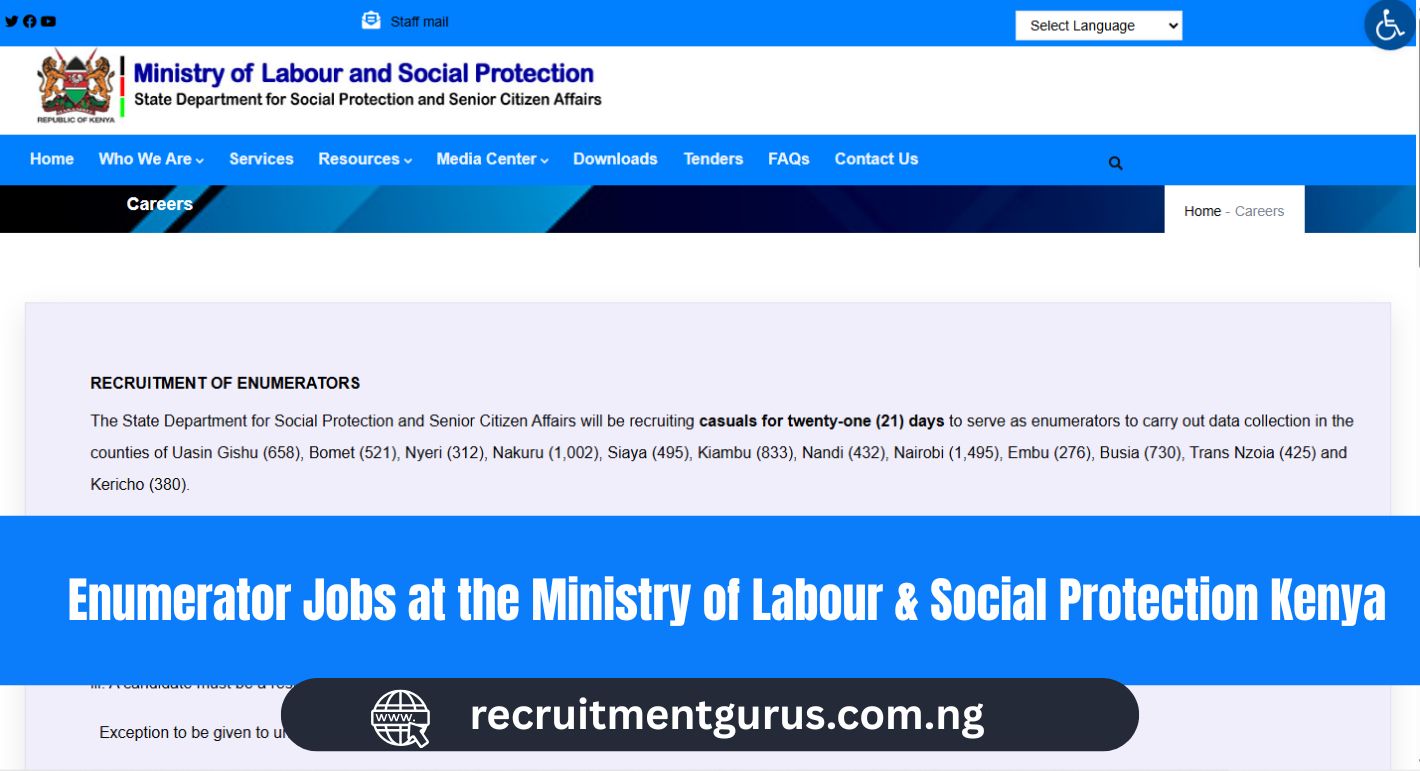
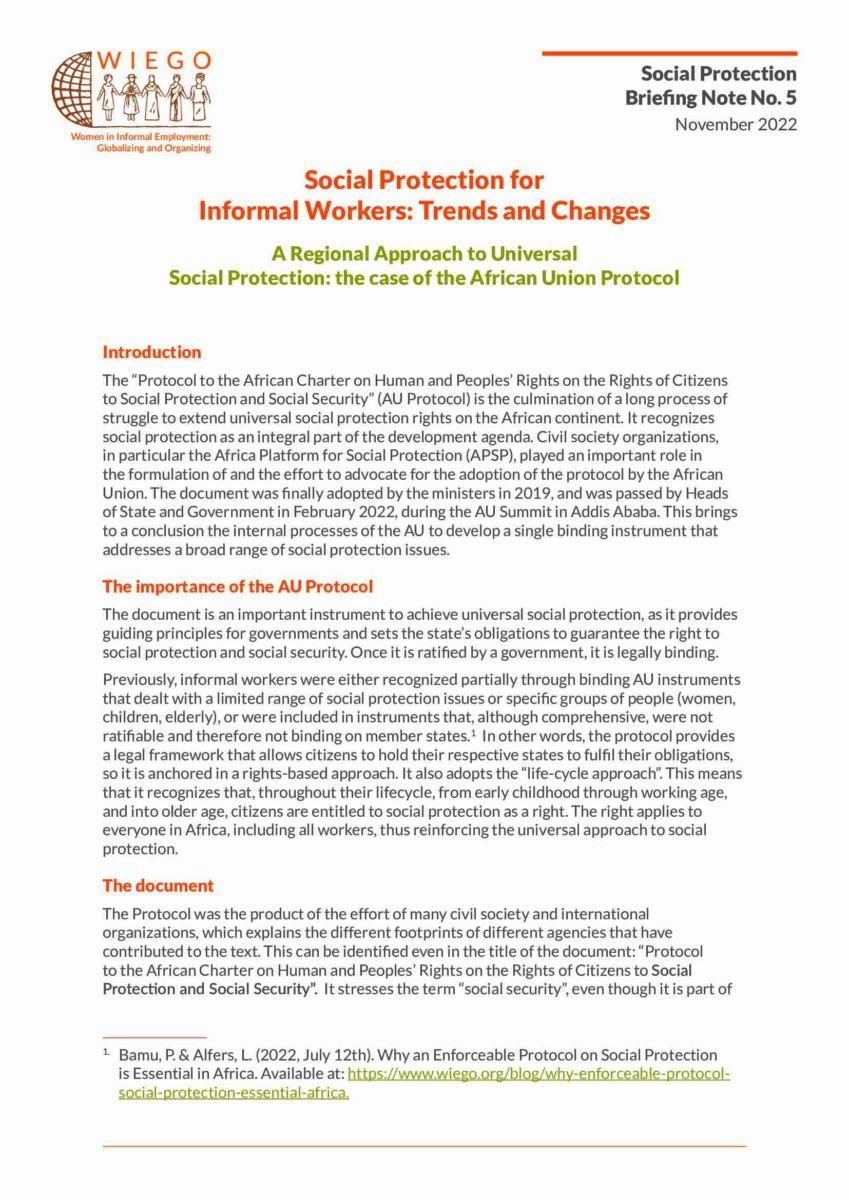
Your Guide to Applying for Social Protection Jobs
Finding a career that protects the most vulnerable requires more than a résumé – it demands insight into the sector, a clear strategy, and a readiness to showcase your commitment to equity. Whether you’re a seasoned social worker or a fresh graduate, this Social Protection Jobs Application Guide will walk you through each stage, from research to the final interview, so you can land a role that makes a real difference.
What Social Protection Jobs Offer
Social protection roles span government ministries, international NGOs, micro‑finance institutions, and community‑based organizations. Common titles include Social Protection Officer, Program Coordinator, Case Manager, and Policy Analyst. What ties them together is a shared goal: reducing poverty, safeguarding health, and ensuring that no one falls through the cracks.
Social Protection Jobs Application Guide: Step‑by‑Step Process
Below is a practical roadmap that cuts through the noise and focuses on the actions that matter.
1. Know the Sector Landscape
Start by mapping the actors that deliver social protection. Look at national ministries (e.g., Ministry of Social Affairs), regional bodies (e.g., UNDP), and local NGOs. Identify the programmes that match your interests—cash transfer schemes, social insurance, or community support projects. Knowing the players helps you target positions that align with your strengths.
2. Build a Targeted Resume
- Highlight relevant experience: Even volunteering counts. Emphasize roles that required data analysis, policy drafting, or outreach.
- Quantify achievements: “Coordinated a benefit‑transfer pilot that reached 3,200 households.” Numbers stand out on paper.
- Use sector terminology: Terms such as “conditional cash transfer,” “social safety net,” or “benefit verification” signal that you speak the same language.
- Keep it concise: One page is ideal for early‑career applicants; two pages for those with extensive experience.
3. Master the Interview
Social protection interviews often blend technical questions with scenario‑based discussions. Prepare to talk through:
- Case studies on how you’d improve a benefit‑distribution process.
- Ethical dilemmas—e.g., balancing resource constraints with equity.
- Policy knowledge—know the flagship programmes of the country or organization.
Show enthusiasm for social justice and a willingness to learn on the job.
4. Leverage Networking and Volunteering
Attend sector conferences, join LinkedIn groups dedicated to social protection, and connect with professionals on Twitter. Volunteering with local NGOs not only fills résumé gaps but also expands your network and exposes you to real‑world challenges.
5. Apply Strategically
When you find a job posting, tailor your cover letter to the specific role. Address the hiring manager by name if possible, reference the organization’s recent initiatives, and explain how your background fits the mission. Use a clear, concise format and proofread for errors.
6. Follow Up Smartly
A polite email two weeks after submitting your application shows persistence without impatience. Re‑highlight a key qualification and ask if any additional information is needed.
Common Pitfalls to Avoid
Even the best candidates can slip up if they overlook:
- Neglecting the mission statement of the organization.
- Sending generic cover letters.
- Missing deadlines or failing to provide requested documentation.
- Overlooking the importance of soft skills—empathy, teamwork, and resilience.
FAQ
- What qualifications are typically required for a social protection role? Most positions demand a bachelor’s degree in social sciences, economics, public policy, or a related field. Advanced roles often require a master’s or professional certification such as a Certified Social Work Practitioner.
- Can I transition into social protection from a different sector? Yes; transferable skills such as project management, data analysis, and community engagement are highly valued. Highlight how your previous work supports the goals of social protection.
- Do I need to be fluent in the local language? In many countries, bilingualism or proficiency in a local language is essential, especially for field‑based roles. Check the job description for language requirements.
- What is the typical salary range? Salaries vary by country, level, and funding source. Entry‑level positions may start around $20,000–$35,000 USD annually, while senior roles can exceed $70,000 USD, depending on the organization’s budget.