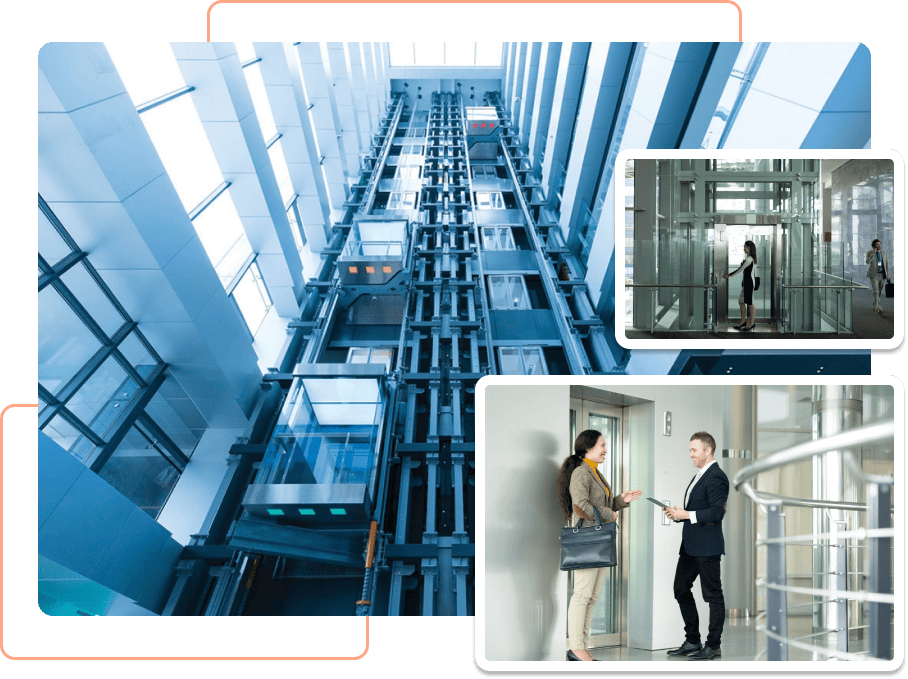
Your Complete Guide to Elevator Services in Saudi Arabia
Whether you’re managing a skyscraper in Riyadh or a shopping mall in Jeddah, reliable elevator services in Saudi Arabia are a non‑negotiable part of daily operations. From routine inspections to major modernisation projects, the market blends international expertise with local regulations. This guide walks you through the key players, what to expect from a service contract, and how to keep your lifts running safely and efficiently.
Understanding the Landscape of Elevator Services in Saudi Arabia
The Kingdom’s rapid urbanisation has spurred a surge in high‑rise construction, and with that comes a growing demand for professional lift maintenance. Most service providers fall into three categories: multinational firms with regional hubs, locally‑owned companies that specialise in specific cities, and niche specialists focused on modernisation or emergency response. While the core tasks—inspection, preventive maintenance, and repairs—are universal, the regulatory backdrop and climate considerations give the Saudi market its own flavour.
What Do Elevator Service Packages Typically Include?
- Routine inspections: Usually quarterly, aligning with the Saudi Civil Defence’s safety standards.
- Preventive maintenance: Lubrication, component testing, and software updates to catch wear before it leads to downtime.
- Emergency call‑out service: 24/7 response for stuck cabins, power failures, or fire‑alarm integration issues.
- Modernisation upgrades: Replacing outdated control systems, installing energy‑saving drives, or adding destination‑control technology.
Most contracts blend these elements, but the exact mix can vary dramatically based on building age, traffic volume, and the owner’s risk tolerance.
Key Players and Their Credentials
When you’re vetting a provider, look for a combination of international standards and local accreditation. The most recognised certifications include:
- ISO 9001 for quality management.
- ISO 14001 for environmental stewardship—a growing concern in the Kingdom’s sustainability drive.
- Saudi Arabian Standards Organization (SASO) approval, which is mandatory for any work on public‑use elevators.
Among the firms that consistently meet these benchmarks are:
- KONE Saudi Arabia – a global leader with a dedicated regional service centre in Riyadh.
- Schindler Saudi – known for its digital monitoring platform that streams performance data in real time.
- Al‑Maqtari Elevators – a locally‑established company praised for rapid emergency response in smaller cities.
- OTIS Middle East – offers extensive modernisation programmes tailored to older high‑rise blocks.
Choosing the Right Service Provider
There’s no one‑size‑fits‑all answer, but a few practical steps can narrow the field:
- Check the provider’s track record with buildings of similar height and usage.
- Ask for a detailed service level agreement (SLA) that spells out response times, parts warranty, and reporting frequency.
- Confirm that technicians hold the appropriate Saudi‑issued licenses and that the company maintains a stocked spare‑parts depot nearby.
- Consider the level of digital integration—companies that offer remote diagnostics can often resolve minor issues without a site visit.
Even if a firm boasts the lowest price, a weak SLA can end up costing more in unexpected downtime.
Maintenance Best Practices for Facility Managers
While professional service is essential, day‑to‑day stewardship also falls to building staff. Simple habits can extend the life of your lifts:
- Keep the hoist‑way clean to prevent dust from infiltrating motor and brake assemblies.
- Schedule regular load testing, especially after major tenant moves that change usage patterns.
- Train front‑desk personnel on the proper use of emergency alarms and communication protocols.
- Document every incident, no matter how minor, to build a reliable maintenance history.
These practices not only protect occupants but also give service technicians a clearer picture when they arrive on the scene.
Regulatory Framework You Need to Know
The Saudi Ministry of Municipal and Rural Affairs (MOMRA) enforces strict safety standards. Key points include:
- All elevators must undergo a mandatory safety inspection within 30 days of commissioning, then annually thereafter.
- Fire‑rated shafts and emergency lighting are compulsory for any lift serving public areas.
- Any modernisation that alters load capacity or speed requires a fresh permit from the Civil Defence.
Failure to comply can result in hefty fines or even temporary shutdowns, so keeping paperwork up‑to‑date is as important as mechanical upkeep.
Cost Considerations and Budgeting Tips
Service costs vary, but most contracts fall into one of two pricing models:
- Fixed‑fee annual contracts: Predictable budgeting, often inclusive of spare parts.
- Pay‑per‑service: Useful for low‑traffic buildings where a full‑time contract would be overkill.
When estimating total cost of ownership, factor in the following:
- Energy consumption—upgrading to variable‑frequency drives can cut electricity bills by up to 30%.
- Potential downtime—each hour of lift outage can translate into lost revenue, especially in retail or office towers.
- Future‑proofing—investing in modern control systems now can avoid costly retrofits later.
Frequently Asked Questions
How often should elevators be inspected in Saudi Arabia?
By law, a full safety inspection is required annually, with additional quarterly checks for high‑rise or high‑traffic installations.
Can I switch service providers mid‑contract?
Most agreements include a notice period—typically 30 to 60 days. Ensure the new provider can take over documentation and spare‑parts inventory to avoid service gaps.
What’s the advantage of remote monitoring?
Digital platforms alert technicians to anomalies in real time, often allowing them to resolve issues before passengers even notice a hiccup.
Are there incentives for modernising older elevators?
The Saudi government offers tax rebates for energy‑efficient upgrades, and many service firms provide financing options to spread the capital expense.
By understanding the market, aligning with reputable providers, and staying on top of regulatory requirements, you can keep your elevators humming smoothly for years to come.