Winter Temperatures in Argentina: Averages and What to Expect
Understanding the Seasonal Context
When the Southern Hemisphere flips its calendar, Argentina settles into a winter that can feel like a gentle cool‑down in the north and a fierce chill down south. Knowing the typical winter temperatures helps travelers pack wisely and locals plan everyday life. Below, we break down the averages and the practical implications you’ll encounter from June through August.
National Average Winter Temperatures
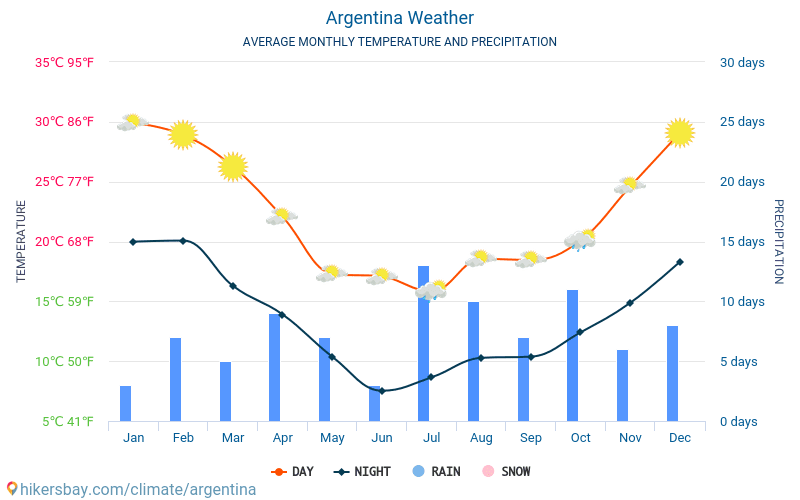
Across the country, winter daytime highs usually hover between 10 °C (50 °F) and 20 °C (68 °F). Nighttime lows tend to drop 5–10 °C (41–50 °F) in most populated areas, while the interior highlands can dip below freezing. Buenos Ayres, for instance, records an average high of 14 °C (57 °F) and a low around 7 °C (45 °F) during July, the coldest month.
Patagonia: The Cold Frontier
Argentina’s southernmost region is the true winter playground. In the city of Ushuaia, often called the world’s southernmost capital, average July highs linger near 3 °C (37 °F) and lows plunge to –4 °C (25 °F). Further east in the steppe of Río Gallegos, wind adds a biting factor, making the “feels‑like” temperature feel several degrees colder than the thermometer indicates.
- Snowfall is common in the Andes, especially around Bariloche.
- Temperatures can dip below –10 °C (14 °F) at higher elevations.
- Layered, waterproof clothing is essential for outdoor activities.
Cuyo Region: Alpine Chill with Sunlit Days
Home to the famed wine valleys, Cuyo experiences a dry, crisp winter. Mendoza’s daytime average sits around 12 °C (54 °F), but clear skies can produce warm afternoons that briefly flirt with 18 °C (64 °F). Nights, however, are sharp—often slipping to 2 °C (36 °F). The dry air means less wind chill, but the temperature swing can be surprising.
Pampas and Central Plains: Mild Yet Variable
In the vast grasslands stretching from Córdoba to Santa Fe, winter is generally mild. Daytime temperatures average 15–18 °C (59–64 °F), while nighttime lows hover near 5 °C (41 °F). Occasional cold fronts can bring a sudden frost, especially in the western parts of the province. The region’s flat terrain means wind can quickly change the perceived temperature.
Northwest Argentina: Subtropical Cool
Areas like Salta and Jujuy sit at higher altitudes, which moderates their subtropical latitude. Expect daytime highs of 16–20 °C (61–68 °F) and cooler evenings around 8 °C (46 °F). Rainfall diminishes in winter, so the weather is often clear, making it a popular time for trekking the Andean foothills.
What to Expect Day‑to‑Day
Winter in Argentina is not a monolith. In urban centers, you’ll find cafés humming with warmth while streets may be damp from early morning mist. Rural areas can feel starkly different, with frost on fields and occasional snowfall in the highlands. Overall, the season encourages indoor cultural activities—museums, tango shows, and hearty cuisine—while still allowing for outdoor pursuits when the sun breaks through.
Practical Packing Tips
- Bring a versatile insulated jacket; a lightweight down piece works well across most regions.
- Layering is key: thermal base layers, a sweater or fleece, and a waterproof outer shell.
- Don’t forget a hat, gloves, and a scarf for Patagonia and higher altitudes.
- Pack sturdy walking shoes with good grip for potentially icy sidewalks.
- Sun protection remains important—high altitude sun can be intense even in winter.
Travel Considerations and Safety
Winter road conditions vary dramatically. In Patagonia, snow and ice can close mountain passes, so check local advisories before heading to places like Ruta 40. In the central plains, fog can reduce visibility in the early morning, so allow extra travel time. Public transport generally runs on schedule, but some rural bus routes may be reduced during the low‑tourist season.
Enjoying Seasonal Activities
Snow sports thrive in the Andes—Bariloche’s ski resorts open from June to October. Wine lovers can still tour vineyards in Mendoza, where cooler nights enhance the tasting experience. In the north, hikers explore the Quebrada de Humahuaca with comfortable daytime temperatures and fewer crowds.
FAQ
What is the coldest month in Argentina?
July is typically the coldest month nationwide, with the lowest averages found in the far south (Patagonia) where temperatures often dip below freezing.
Do I need a heavy coat for Buenos Ayres in winter?
A heavy coat isn’t essential for most days, but a medium‑weight jacket and layers are advisable, especially for evenings when temperatures can fall to around 5 °C (41 °F).
Is it safe to drive in Patagonia during winter?
Driving is generally safe if you’re prepared for snow and ice. Equip your vehicle with winter tires, carry chains if advised, and keep an eye on weather forecasts for mountain passes.
Can I still enjoy outdoor festivals in winter?
Yes. Many cities host winter cultural events—tango festivals in Buenos Ayres, snow festivals in Bariloche, and folk celebrations in the northwest—offering a unique atmosphere compared to the summer rush.