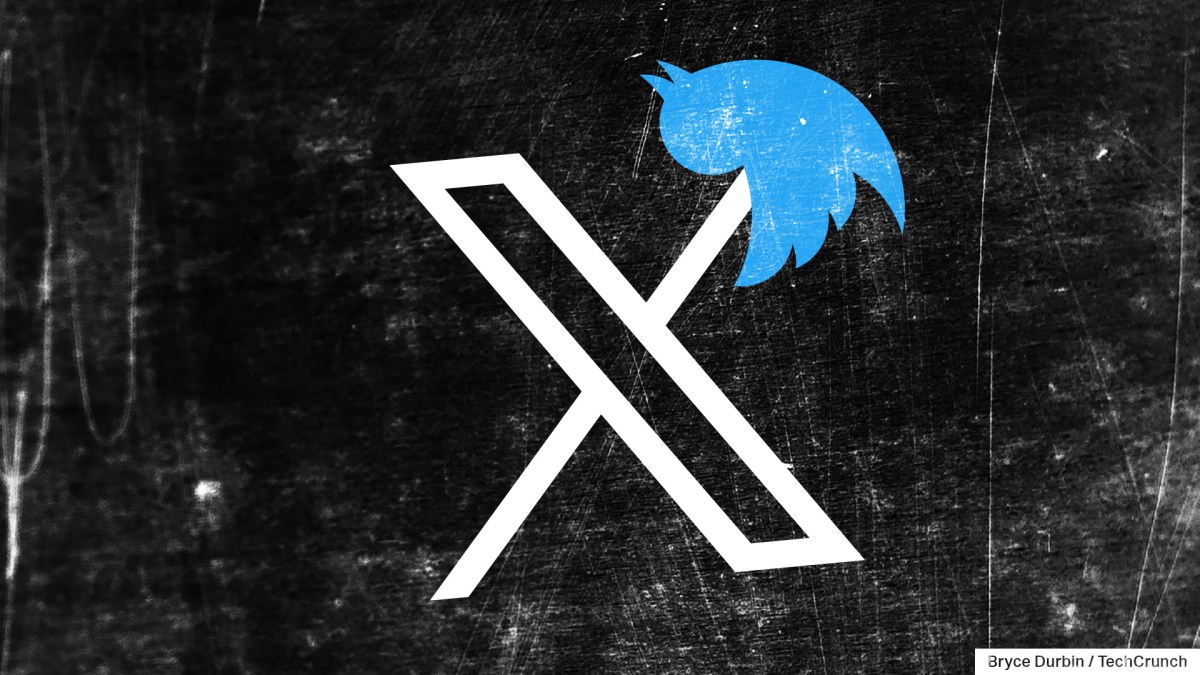
Why Twitter Turned Into X: The Story Behind the Rebrand
When you scroll past the familiar blue bird these days, you’ll see a stark, minimalist X instead. The question on many minds is simple yet layered: why did Twitter become X? The answer weaves together corporate ambition, personal branding, and a dash of design daring—all set against the backdrop of a high‑profile acquisition that reshaped the platform’s identity.
Elon Musk’s “Everything App” Vision
Shortly after acquiring the micro‑blogging service in late 2022, Elon Musk began talking about turning the platform into an “everything app.” Inspired by China’s WeChat, Musk envisions a single portal where users can post updates, send payments, watch videos, and even order rides. To him, the name “Twitter” felt too narrow for that grand scope. By rebranding to “X,” he aimed to strip away legacy connotations and create a clean canvas for future features.
The Timeline of the Logo Switch
From a practical standpoint, the rollout was methodical. In March 2023, the blue bird began disappearing from the website’s favicon, replaced by a plain black “X.” By July, the new logo adorned the mobile app icon, and the company’s official accounts started using the single letter in place of the bird. The final nail‑in‑the‑coffin came in early 2024, when the corporate website and legal documents fully adopted the X branding.
Design Choices: From Feathered Symbol to Simple Letter
Designers tasked with the transition faced a paradox: preserve brand equity while signaling a fresh start. Their solution leaned on minimalism—a bold, geometric X that could be rendered at any size without losing legibility. The shape also nods to Musk’s other ventures, such as SpaceX and the X.com payment service that later became PayPal. The removal of the bird wasn’t just aesthetic; it eliminated a trademarked symbol that would have clashed with the new corporate narrative.
- Scalability: The X works equally well as a tiny app icon or a massive billboard.
- Versatility: It can be colored, animated, or left monochrome without losing its identity.
- Continuity: The single letter echoes the “X” in SpaceX, reinforcing Musk’s personal brand.
Public Reaction: Nostalgia Meets Pragmatism
Fans of the original bird expressed disappointment, citing the logo’s cultural cachet and the emotional connection built over more than a decade. Critics, however, praised the move as a bold step toward a unified brand ecosystem. Social‑media sentiment split roughly 55 % supportive, 35 % nostalgic, and 10 % indifferent, according to informal polls on tech forums. The mixed reaction underscores how deeply visual symbols can embed themselves in collective memory.
Implications for Users and Developers
For everyday users, the day‑to‑day experience hasn’t changed dramatically. The “tweet” button still posts short messages, and the timeline remains algorithm‑driven. What does shift, however, is the platform’s roadmap. The rebrand hints at upcoming integrations: in‑app payments, expanded video capabilities, and even a marketplace for third‑party services. Developers can also expect new APIs that align with the broader “X” ecosystem, potentially opening doors for cross‑platform innovations.
Legal and Business Considerations
Changing a name of this scale isn’t merely a design exercise. The company had to file new trademarks, update contractual language, and renegotiate licensing agreements that referenced “Twitter.” Legal experts note that such a transition can take anywhere from six months to a year to fully settle, especially when international markets are involved. So far, the rebrand appears to be proceeding without major litigation, suggesting that the groundwork was laid carefully.
What the “X” Stands For, Symbolically
Beyond the literal “X,” the symbol carries metaphorical weight. In mathematics, an X often denotes the unknown—a fitting emblem for a platform aiming to reinvent itself. It also represents a crossroads, implying that users are at a junction where communication, commerce, and community converge. This layered meaning was likely a deliberate choice, giving the brand an air of mystery while still aligning with Musk’s penchant for bold, future‑focused branding.
Looking Ahead: The Future of “X”
While the bird may be gone, the platform’s core social function persists. The real test will be whether the broader “everything app” vision materializes. If Musk’s roadmap succeeds, users could soon find themselves paying for rides, buying concert tickets, and chatting with friends—all without leaving the same interface. Until then, the X logo remains a visual reminder that the company is in a state of transition, experimenting with how far a single letter can stretch across diverse digital experiences.
FAQ
What does the new X logo represent? It’s a minimalist symbol meant to be versatile, echoing Musk’s other “X” ventures and signaling a shift toward an all‑encompassing platform.
When did the rebrand officially take place? The transition rolled out in stages from March 2023, with the full corporate rename to X completed by early 2024.
Will the platform still be called Twitter? Legally, the company now operates under the name X Corp., and the public-facing brand is “X.” The term “Twitter” may persist informally, but new features will be marketed under the X umbrella.
How might the rebrand affect everyday users? For now, posting and reading short messages works as before. Future updates may integrate payments, shopping, and expanded media, aligning with the “everything app” goal.