Why the Katy Freeway in Texas Is Considered the World’s Broadest Highway
Is the Katy Freeway Really the World’s Widest?
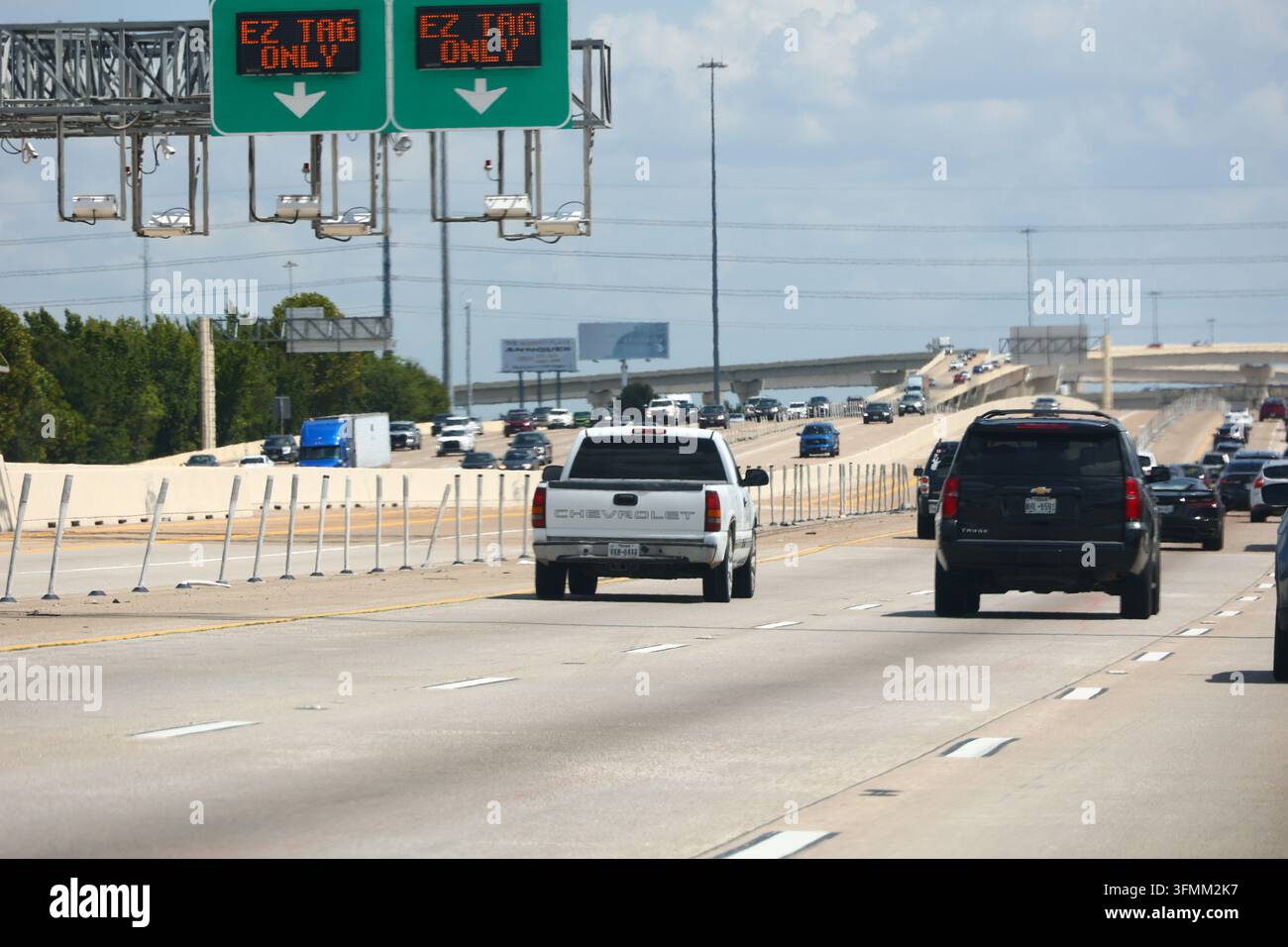
When you drive through the Houston suburbs and spot a ribbon of asphalt that seems to stretch forever, you’re probably on the Katy Freeway (Interstate 10). Locals and transportation geeks alike ask the same question: Katy, Texas – is this the world’s widest freeway? The short answer is “yes, by many measures.” The segment that runs through the city of Katy expands to as many as 26 lanes when you count the breakdown lanes, shoulders, and HOV lanes. That number puts it ahead of any other highway in the United States and rivals the broadest expressways on the planet.
How the Freeway Got Its Unusual Width
The story starts in the late 1990s, when Houston’s explosive growth threatened to choke the city’s main east‑west corridor. Planners faced a dilemma: they could either build a new bypass or squeeze more capacity into the existing I‑10 corridor. The decision to widen the existing freeway was driven by three factors:
- Land constraints: The corridor already cut through dense commercial and residential zones, making a completely new alignment prohibitively expensive.
- Funding opportunities: A mix of state bonds and local toll revenues allowed the project to move forward without waiting for federal approval.
- Future‑proofing: Engineers designed the expansion with the expectation that traffic would keep climbing for decades.
The result was a phased construction that began in 2000 and culminated around 2008. Each phase added lanes in a staggered fashion, eventually creating the sprawling 26‑lane cross‑section that defines the Katy Freeway today.
What Makes Up Those 26 Lanes?
At first glance, the number “26” feels almost mythical, but it breaks down into distinct categories:
- 12 general‑purpose lanes (six each direction)
- 4 HOV/Express lanes (two each direction)
- 4 “breakdown” lanes or shoulders (two each direction)
- 4 auxiliary lanes that serve local on‑ramps and off‑ramps
When traffic peaks, the HOV lanes can carry a high‑occupancy vehicle that moves at a steadier pace, while the regular lanes are often bumper‑to‑bumper. The breakdown lanes, though not meant for regular travel, provide an extra safety buffer that helps keep traffic flowing during minor incidents.
How Does It Compare Globally?
While the Katy Freeway is the widest in the United States, it’s not the only massive thoroughfare on Earth. A few examples illustrate the global context:
- Shanghai’s Middle Ring Road in China features up to 16 lanes in certain sections, but it still falls short of the Katy’s 26‑lane count.
- Tokyo’s Metropolitan Expressway can reach 14 lanes in its busiest segments, again less than the Texas behemoth.
- India’s Delhi‑Gurgaon Expressway boasts 12 lanes, a fraction of the Katy’s width.
In practical terms, the Katy Freeway’s lane count is unmatched, though some Asian megacities compensate with higher speed limits or more extensive use of elevated viaducts rather than sheer lane numbers.
Benefits and Drawbacks of a Super‑Wide Highway
Every engineering marvel carries a trade‑off, and the Katy Freeway is no exception.
Pros
- Reduced bottlenecks: The sheer number of lanes allows traffic to disperse, especially during rush hour.
- Flexibility for future growth: Adding HOV or toll lanes can be done without massive reconstruction.
- Economic stimulus: Easier movement of goods supports the Houston port and surrounding industrial zones.
Cons
- Visual impact: The massive concrete wall can be intimidating for drivers unfamiliar with the area.
- Maintenance costs: More pavement means higher long‑term upkeep budgets for the Texas Department of Transportation.
- Potential for induced demand: Expanding capacity sometimes encourages more drivers to use the road, eventually eroding the initial congestion relief.
What the Future Holds for the Katy Freeway
Even with its impressive width, the Katy Freeway is not a static entity. Planners are already eyeing the next wave of improvements, including:
- Conversion of existing HOV lanes into high‑occupancy toll (HOT) lanes, allowing single drivers to pay a variable fee for faster travel.
- Implementation of advanced traffic‑management systems that use sensors and AI to dynamically adjust speed limits.
- Potential addition of dedicated bus rapid transit (BRT) lanes to encourage public transportation use.
These upgrades aim to keep the freeway functional without simply adding more concrete, which would be both costly and environmentally questionable.
FAQ
Q: How many vehicles does the Katy Freeway handle each day?
A: Estimates from the Texas Department of Transportation suggest the corridor carries upwards of 300,000 vehicles daily, making it one of the busiest segments of I‑10 in the nation.
Q: Are there any plans to reduce the number of lanes?
A: No current proposals call for lane removal. Instead, officials focus on repurposing existing lanes for toll or transit use while improving traffic flow through technology.
Q: Does the width affect travel speed?
A: Generally, more lanes can improve average speeds, but during peak periods the sheer volume of cars can still lead to slowdowns, especially if accidents occur in the regular lanes.
Q: How does the Katy Freeway compare to toll roads like the Dallas North Tollway?
A: While the Dallas North Tollway is a high‑quality limited‑access road, it never exceeds 12 lanes total. The Katy Freeway remains broader, though the tollway often offers smoother travel because of its controlled access and fewer entry points.