Why China Banned Ghost and Zombie Films: A Deep Dive
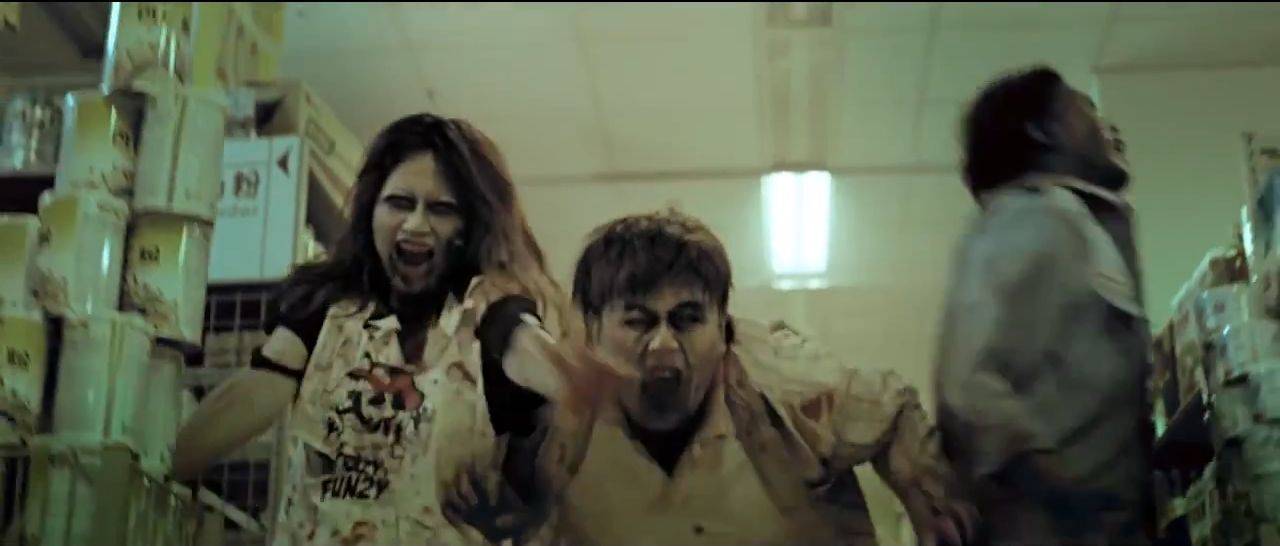
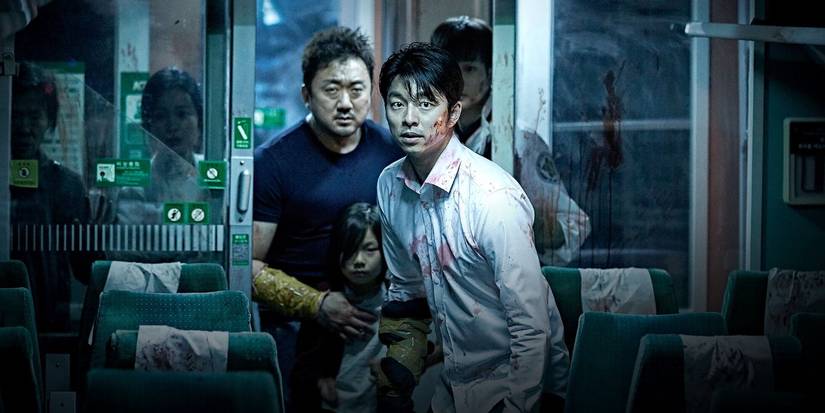
When the Chinese government announced a crackdown on “ghost and zombie” movies, the headlines were dramatic, but the reality is a mix of cultural caution, political control, and market realities. The ban, which targets supernatural horror that glorifies superstition, has reshaped what filmmakers can show on the big screen and even on streaming platforms. Below we explore the history, the official rationale, and the ripple effects on China’s thriving entertainment industry.
The official rationale behind China’s ban on ghost and zombie movies
Chinese regulators frame the prohibition as a public‑interest measure. The State Administration of Press, Publication, Radio, Film and Television (now the National Radio and Television Administration) has repeatedly warned that depictions of the supernatural may “promote superstition” and undermine social harmony. In practice, the policy seeks to:
- Prevent content that could be deemed morally ambiguous or destabilizing.
- Maintain a cultural narrative that aligns with the state’s emphasis on rationalism and scientific progress.
- Control the flow of foreign influences that might clash with traditional values.
These points echo broader censorship trends in China, where topics ranging from politics to sexuality are routinely screened for alignment with Party guidelines.
Historical background: From vague restrictions to a concrete ban
China’s wariness of the supernatural isn’t new. In the 1990s, early film regulations prohibited “feudal superstition,” which effectively barred many folk‑tale adaptations. However, the guidelines were loosely worded, leaving room for occasional horror releases that skirted the line.
It wasn’t until the mid‑2010s that the crackdown tightened. A directive circulated to production companies, explicitly naming “ghost, zombie, and other supernatural phenomena” as prohibited content. The notice clarified that any film relying on such elements for thrills would be denied a release license.
Since then, the policy has been reinforced during periodic “cultural purges,” most notably in 2021 when the government issued a sweeping reminder to studios to avoid “excessive horror” in both theatrical and online releases.
How the ban shapes domestic filmmaking
Chinese directors have responded with a blend of creativity and caution. Rather than abandon the horror genre altogether, many opt for psychological or “techno‑horror” approaches that sidestep explicit ghosts or zombies.
Creative workarounds
- Emphasis on atmosphere: Films like The Nightingale rely on unsettling sound design and ambiguous visuals instead of overt specters.
- Science‑fiction framing: Stories about viral outbreaks or AI gone rogue provide the same dread without violating the supernatural clause.
- Historical allegory: Some period pieces embed horror motifs within accepted folklore, using metaphor to explore fear indirectly.
These tactics keep audiences engaged while satisfying regulators, illustrating how censorship can sometimes spur unexpected artistic innovation.
The impact on foreign horror imports
Importing foreign horror movies is a separate challenge. Even if a film has already cleared its home‑country rating, Chinese censors will often demand cuts or a complete ban if it features ghosts, zombies, or overtly supernatural scares. For example, the 2019 American zombie film World War Z was released in a heavily edited version, with most of the undead sequences removed.
Streaming platforms face similar restrictions. Services such as iQiyi and Tencent Video must flag any horror series for review before it appears in the catalog. As a result, many global horror franchises either avoid the Chinese market altogether or produce “clean” versions for distribution.
Economic consequences: Box office and streaming revenue
The horror genre historically accounts for a modest share of China’s box‑office earnings—roughly 5‑7 % of total ticket sales in a typical year. By removing ghost and zombie titles, the ban eliminates a niche yet reliable revenue stream. However, the loss is partly offset by the rise of “thriller‑drama” hybrids that attract both horror fans and mainstream audiences.
Streaming services have also adapted. Original series that blend suspense with mystery—think Detective Chinatown spin‑offs—fill the void left by traditional horror. These shows generate subscription growth, indicating that the market can pivot when regulatory winds shift.
Future outlook: Will the ban soften?
Predicting policy shifts in China is always speculative, but a few trends suggest possible changes. First, the government has shown a willingness to relax certain content rules when economic benefits become clear—such as the recent easing of restrictions on “celebrity reality shows.” Second, the rise of domestic horror games, which face fewer cinematic restrictions, hints at a cultural appetite that regulators may eventually acknowledge.
Until then, filmmakers will likely continue to innovate within the boundaries, crafting horror that is more about psychological tension than about the undead.
Frequently Asked Questions
What types of movies are affected by the ban?
Any film that prominently features ghosts, zombies, vampires, or other supernatural entities for the purpose of creating fear or excitement is subject to denial of a release license.
Can foreign horror movies be shown in Chinese theaters?
Only if they are edited to remove or heavily tone down supernatural elements. In many cases, the entire film may be blocked if the required cuts would fundamentally alter the story.
How are Chinese filmmakers adapting to the restrictions?
They are focusing on psychological horror, sci‑fi thrillers, and allegorical storytelling that convey dread without explicit supernatural imagery.