Who Really Owns the U.S. Media Landscape?
When we ask who owns the media in the USA, we’re touching on a complex web of corporate holdings, family trusts, and public institutions that together decide which stories get amplified and which remain on the sidelines. From the headlines that dominate morning coffee mugs to the podcasts that fill our commutes, ownership patterns shape the very fabric of our national conversation.
The Corporate Titans of American Media
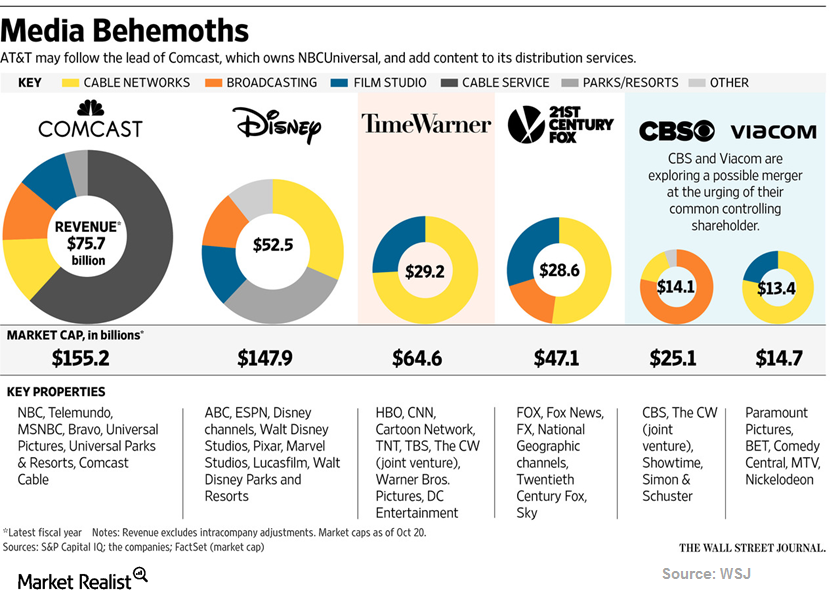
In the United States, a handful of media conglomerates wield disproportionate influence across print, broadcast, and digital platforms. Each owns multiple networks, newspapers, and streaming services, creating a ripple effect on editorial direction and advertising revenue.
- Comcast/NBCUniversal – Owns NBC, CNBC, USA Network, and the streaming service Peacock. It also controls a large portfolio of local television stations.
- Warner Bros. Discovery (formerly AT&T) – Holds Warner Bros., Discovery Channel, CNN, and the Discovery+ streaming app.
- Disney/ABC – Owns ABC, ESPN, and the Disney+ service, with stakes in Hulu as a joint venture.
- ViacomCBS (now Paramount Global) – Controls CBS, MTV, Nickelodeon, and the Paramount+ streaming platform.
- Fox Corporation – Owns Fox, Fox News, and the Fox News Channel, alongside several regional TV stations.
These giants also have stakes in print outlets, film studios, and digital advertising networks, giving them a hand in almost every major content ecosystem. While the exact percentage of media output they control is difficult to quantify without proprietary data, industry observers agree that the top four or five conglomerates dominate a sizable slice of the market.
The Role of Independent and Local Outlets
Not all media voices come from corporate behemoths. Across the country, family‑owned newspapers, community radio stations, and niche online platforms continue to thrive. They often focus on hyper‑local issues, providing coverage that national networks overlook. Examples include the Reno Gazette‑Bulletin in Nevada, the Shreveport Times in Louisiana, and the online news hub North County Times in California.
Independent outlets typically operate on modest budgets, relying on subscriptions, donations, or community sponsorship. Their editorial freedom can be both a blessing—offering alternative perspectives—and a challenge, as they navigate financial sustainability in a digital age dominated by algorithmic ad revenue.
Public and Non‑Profit Media
Public broadcasting services such as PBS (Public Broadcasting Service) and NPR (National Public Radio) are funded through a mix of government appropriations, private donations, and corporate sponsorships. Although they do not have a single corporate owner, their programming often reflects a mix of public interest mandates and the financial realities of fundraising.
These outlets serve as important counterbalances to corporate media, offering educational content, investigative journalism, and cultural programming that might not be profitable for commercial broadcasters.
Digital Platforms and the New Media Landscape
While traditional ownership remains concentrated, the rise of digital platforms has reshaped who gets to share stories. Companies like Alphabet (Google) and Meta (Facebook) own the largest social media networks, controlling algorithms that determine which news stories surface in feeds. Amazon and Apple host streaming services such as Prime Video, Apple TV+, and Disney+ (via partnership), further extending corporate influence into binge‑watch culture.
These platforms also provide data analytics that can be used to target political ads, shaping public opinion in ways that are often invisible to the average user. The intersection of data, advertising dollars, and editorial choice is a new frontier for media ownership discussions.
Implications for Democracy and Public Discourse
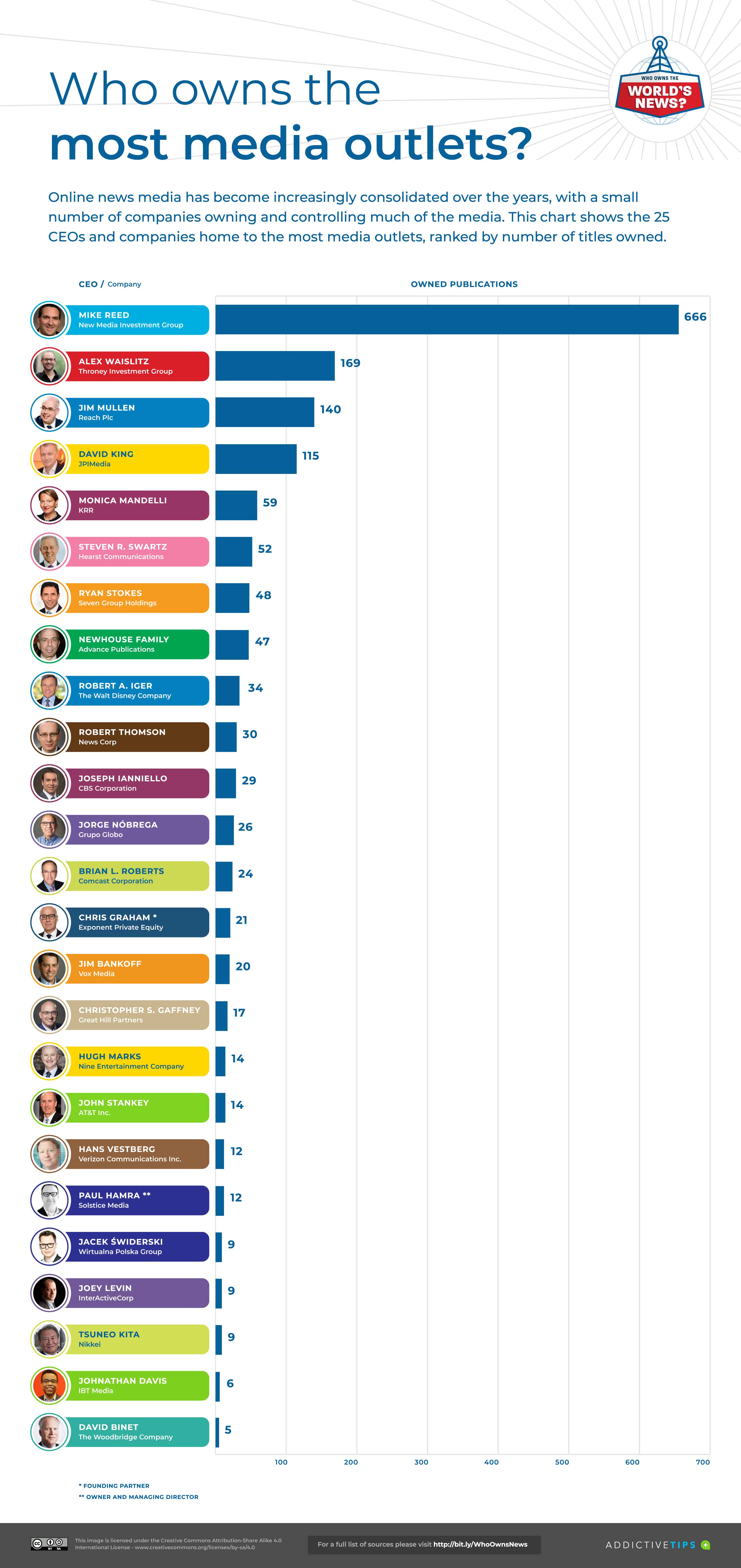
Concentration of media ownership raises concerns about diversity of viewpoints, editorial bias, and the potential for corporate interests to sway public policy. When a few companies control a large share of news outlets, they can shape narrative framing—deciding which stories are amplified and which are sidelined.
Moreover, the dependence on advertising revenue often leads to a preference for content that attracts the widest audience, sometimes at the expense of in-depth investigative reporting. This dynamic can blur the line between journalism and entertainment, pushing sensationalism over nuance.
However, the proliferation of independent outlets, podcasts, and citizen journalism projects offers a countervailing force. They often challenge mainstream narratives and bring marginalized voices to the forefront, fostering a more pluralistic media environment.
Frequently Asked Questions
- Are there any truly independent media outlets in the U.S.? Yes. Many local newspapers, community radio stations, and niche online publications operate without ties to large corporate conglomerates, although they may still rely on small‑scale advertising or subscription models.
- How does corporate ownership influence the news I see? Major media owners can set editorial priorities, influence hiring, and prioritize stories that align with their business interests, potentially limiting coverage of issues that might harm their profitability.
- Can a small local newspaper remain sustainable? It’s challenging but possible. Successful strategies include digital subscriptions, community sponsorships, and focusing on hyper‑local stories that larger outlets overlook.
- What role does public broadcasting play in counterbalancing corporate media? PBS and NPR provide non‑commercial, often in‑depth programming that can explore topics beyond the immediate profit motive, offering a different lens on national issues.