Which Transmission Suits the C6 Grand Sport: Automatic or Manual?
The Chevrolet Corvette C6 Grand Sport straddles the line between raw track‑ready performance and everyday usability, and its transmission choice is often the first big decision for a buyer. Is the C6 Grand Sport automatic or manual the better match for your driving style, budget, and long‑term goals? Let’s break down the two options, compare real‑world performance, and weigh the practical implications before you fire up the engine.
C6 Grand Sport: A Quick Overview
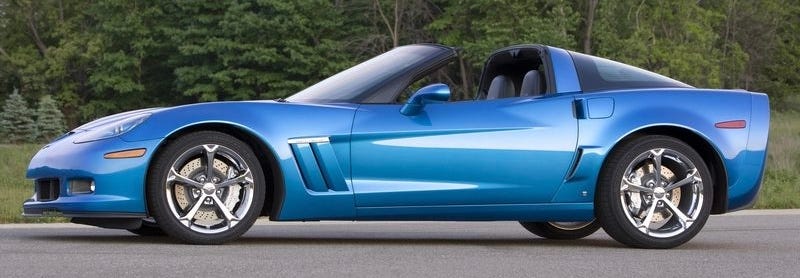
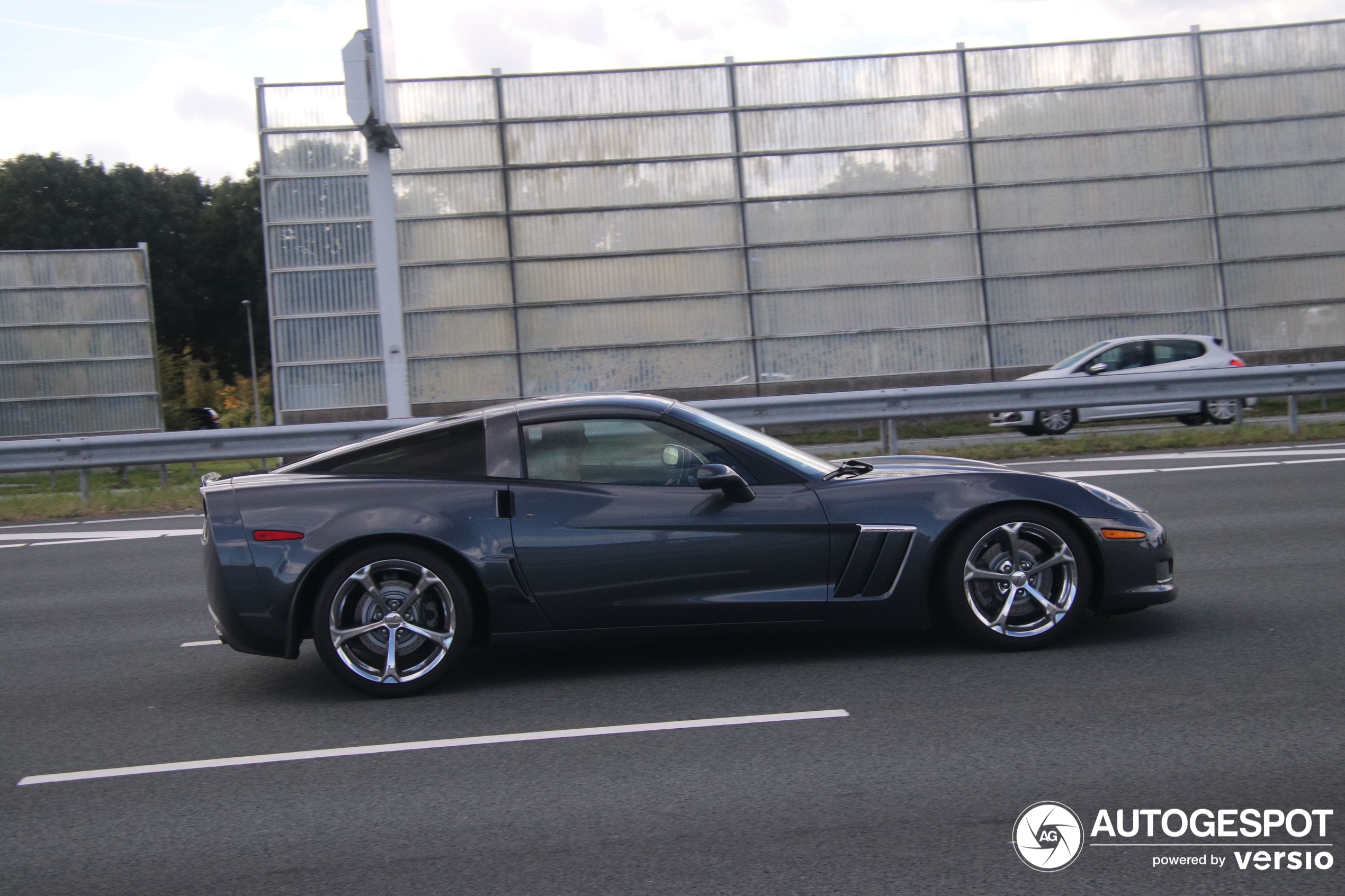
Produced from 2006 to 2013, the C6 generation revived the classic Corvette silhouette while introducing a stiffer chassis, larger brakes, and a more refined interior. The Grand Sport variant, launched in 2009, borrowed the Z06’s wider fenders, upgraded suspension, and a 6.2‑liter LS3 V8 that pumps out 430 hp and 424 lb‑ft of torque. That power can be delivered through either a six‑speed manual gearbox or the optional six‑speed automatic (the 6L80). Both transmissions were designed to handle the engine’s torque, but they shape the car’s character in markedly different ways.
C6 Grand Sport Automatic or Manual: Core Differences
When you sit behind the wheel, the most obvious contrast is the level of driver involvement. The manual offers a tactile connection—shifting gears with a clutch pedal, feeling the revs climb, and hearing the engine breathe. The automatic, meanwhile, provides lightning‑quick shifts via a computer‑controlled torque converter and can keep the car in the optimal power band without any footwork.
- Shift Speed: The 6L80 automatic can change gears in roughly 0.25 seconds, outpacing most drivers’ shift times by a wide margin.
- Driver Engagement: A manual demands coordination, rewarding skilled drivers with a sense of mastery; the automatic frees you to focus on corner entry and braking.
- Fuel Economy: Factory EPA figures show the automatic edging out the manual by about 1–2 mpg in mixed driving, thanks to more efficient gear ratios.
- Resale Value: Enthusiast markets tend to favor manuals, often commanding a modest premium, especially for low‑mileage examples.
Performance on the Track
If you plan to take the Grand Sport to a road course, the transmission choice matters. The manual’s close‑ratio gearing lets you hold the engine in its sweet spot, crucial for maintaining momentum out of tight corners. However, the automatic’s shift‑by‑wire system can hold torque more consistently during rapid gear changes, reducing the interruption that a manual’s clutch introduces.
In practical terms, many owners report that the 6L80 automatic shaves a few tenths of a second off a quarter‑mile run compared with the manual. The difference is less about raw speed and more about consistency; the automatic won’t miss a shift because you’re distracted or fatigued.
Everyday Driving Experience
Outside the track, the automatic shines in traffic. Its adaptive shift logic learns your habits and can downshift pre‑emptively when you approach a stop, making stop‑and‑go smoother. The manual, while fun on open roads, can become tiring in heavy city congestion, especially if you’re new to high‑performance clutches.
Conversely, the manual offers a more engaging commute. The tactile feedback of a rev‑matched downshift can make even a routine highway stretch feel purposeful. For drivers who relish the ritual of heel‑toe or who enjoy swapping the clutch for a quick “pop‑and‑drop” on a straight, the manual remains unbeatable.
Ownership Considerations
Maintenance on both transmissions is relatively straightforward for a modern Corvette, but there are nuances.
Reliability
Both the LS3‑paired manual and the 6L80 automatic have proven robust over a decade of use. The manual’s clutch may need replacement after 60,000–80,000 miles of spirited driving, while the automatic’s torque converter and fluid can last longer if the fluid is changed at the recommended interval (roughly every 30,000 miles).
Cost of Repairs
Clutch replacements can run $1,200–$1,600 for parts and labor, whereas a transmission rebuild on the 6L80 typically exceeds $3,000. That said, the automatic’s electronic control modules are less likely to fail than a worn clutch disc.
Insurance and Taxes
Insurance premiums rarely differentiate between the two, but some carriers offer discounts for manual cars under the assumption they’re driven less aggressively. Check with your provider if this could shave a few dollars off your annual bill.
Personal Preference: The Deciding Factor
At the end of the day, the “better” transmission aligns with how you intend to use the Grand Sport. If you see the car as a weekend track weapon and relish the ritual of shifting, the manual will reward you with an authentic sports‑car feel. If you want a high‑performance grand tourer that can double as a daily driver without demanding constant clutch work, the automatic delivers comparable power with added convenience.
Many owners even opt for a “best of both worlds” approach: a manual for track days and a later‑model automatic for daily runs. The C6 platform’s balanced chassis makes either choice feel capable, so you won’t be compromising safety or handling regardless of your pick.
FAQ
- Is the C6 Grand Sport manual more fun to drive? Generally, yes. The manual provides direct control over gear selection, which many enthusiasts find more engaging, especially on twisty roads.
- Does the automatic hurt performance? Not significantly. The 6L80 shifts faster than most humans can, and its gear ratios are tuned for the LS3, so lap times are often comparable to the manual.
- Which transmission is cheaper to maintain? The manual typically incurs lower long‑term costs, as clutch wear is the main expense, while the automatic may require a costly transmission rebuild if major components fail.
- Will a manual increase resale value? Enthusiast markets tend to value manuals slightly more, especially if the car has low mileage and a well‑maintained clutch.