What Was the Marshall Plan? A Kid‑Friendly Guide
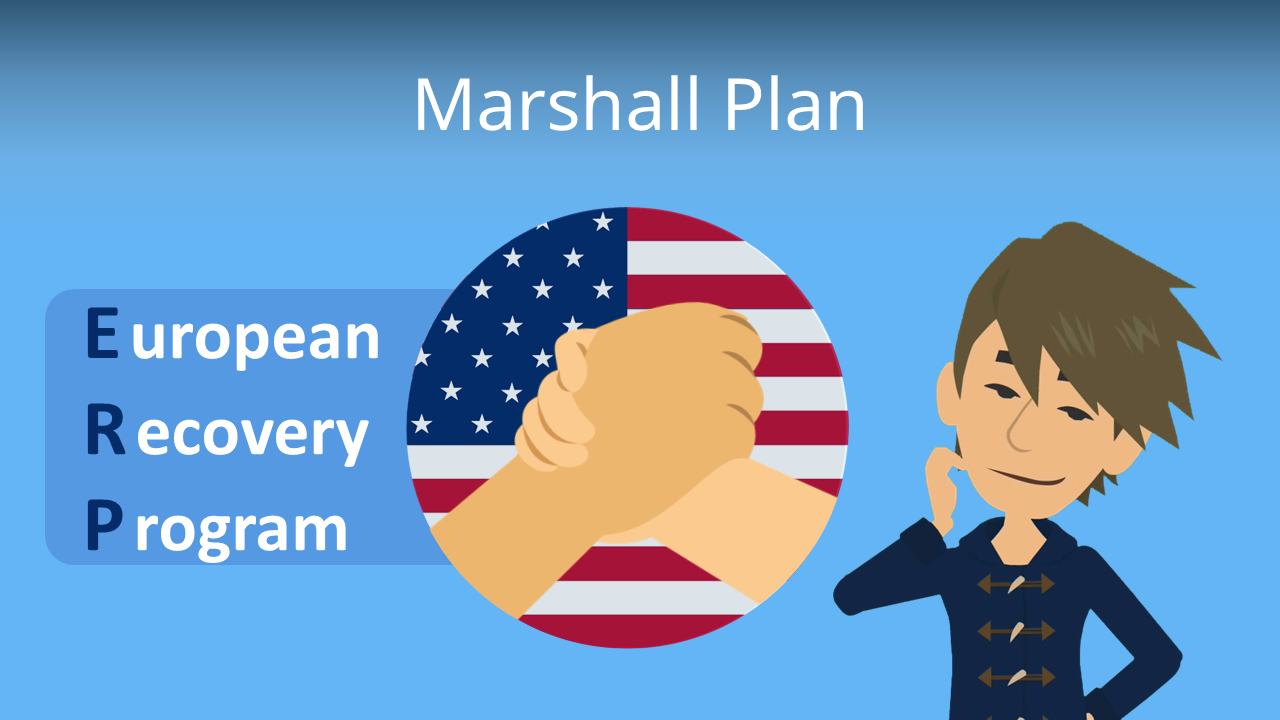
The world was a very messy place after World War II. Countries in Europe had buildings that were wrecked, farms that could not grow food, and people who were scared about the future. A simple explanation for kids is that the United States decided to share money and supplies to help those countries get back on their feet. This effort is known as the Marshall Plan, and it lasted from 1948 to 1952.
Why the World Needed a Plan After the War
Imagine trying to finish a huge puzzle after someone else smashed it apart. That’s how Europe felt when the fighting stopped. Factories were damaged, transport lines were broken, and many families had lost everything. Without help, the economies could have stayed weak for years, which might have led to more unrest and even more conflict.
At the same time, a new tension was growing between the United States and the Soviet Union, called the Cold War. Both sides wanted to show that their way of living—capitalism or communism—could provide a better future. Helping Europe recover was not just about kindness; it was also about keeping the continent stable and friendly toward the United States.
What the Marshall Plan Actually Did
The plan was named after U.S. Secretary of State George C. Marshall, who suggested that the United States should give a “big, generous gift” to its European neighbors. Over four years, the U.S. sent roughly $13 billion (about $130 billion in today’s dollars) in aid. That money didn’t come as cash alone—much of it was food, fuel, machinery, and raw materials.
Here’s a quick snapshot of how the aid was used:
- Rebuilding factories: New equipment helped factories start producing goods again, from clothing to steel.
- Restoring farms: Seeds, tractors, and fertilizer were shipped so farmers could plant crops.
- Repairing transportation: Trains, ships, and roads were fixed, making it easier to move food and products across the continent.
- Stabilizing currencies: The plan also helped countries manage their money, preventing inflation that could wipe out savings.
All of these steps were coordinated through a joint committee of the participating nations, which meant each country had a say in how the aid was spent.
How It Helped Everyday People
For a child living in post‑war France, the Marshall Plan meant that the school could stay open, that there would be enough bread on the table, and that the streets would be safer because more jobs were available. In Germany, the plan helped rebuild houses so families could move out of temporary shelters.
Even small things, like getting a new set of pencils or a reliable bus ride to school, were indirect results of the larger aid program. By restoring confidence in the economy, people were more willing to start businesses, and that created a ripple effect of new opportunities.
What We Can Learn Today
The Marshall Plan shows that large‑scale help can work when it’s organized, transparent, and tailored to the real needs of people. It wasn’t just a hand‑out; it encouraged the receiving nations to plan their own recovery, which built a sense of ownership.
Modern challenges—like climate change or global pandemics—often require similar cooperation. The key lessons are:
- Collaboration: Countries that work together can solve problems faster than any one nation acting alone.
- Investing in basics: Food, shelter, education, and infrastructure are the foundation for any lasting improvement.
- Respecting local input: Successful aid lets the people who receive it help decide how to use it.
In short, the Marshall Plan was a massive “team effort” that turned a broken continent into a place where children could play, learn, and dream about the future again.
Frequently Asked Questions
Did every European country receive Marshall Plan aid?
Most Western European nations—like the United Kingdom, France, West Germany, Italy, and the Netherlands—participated. Countries behind the Iron Curtain, such as the Soviet Union and its satellite states, did not take part.
How long did the Marshall Plan last?
The program officially ran from 1948 until 1952, after which the economies of participating nations were largely stable enough to continue growing on their own.
Was the aid only money?
No. While the United States provided billions of dollars, the majority of the assistance came as food, fuel, machinery, and technical expertise.
Did the Marshall Plan affect the Cold War?
Yes. By strengthening Western Europe economically, the plan helped prevent the spread of communism in those countries, which was a major goal of U.S. foreign policy at the time.