What Is a Citizen Eco‑Drive Watch? Features Explained
Understanding the Eco‑Drive Concept
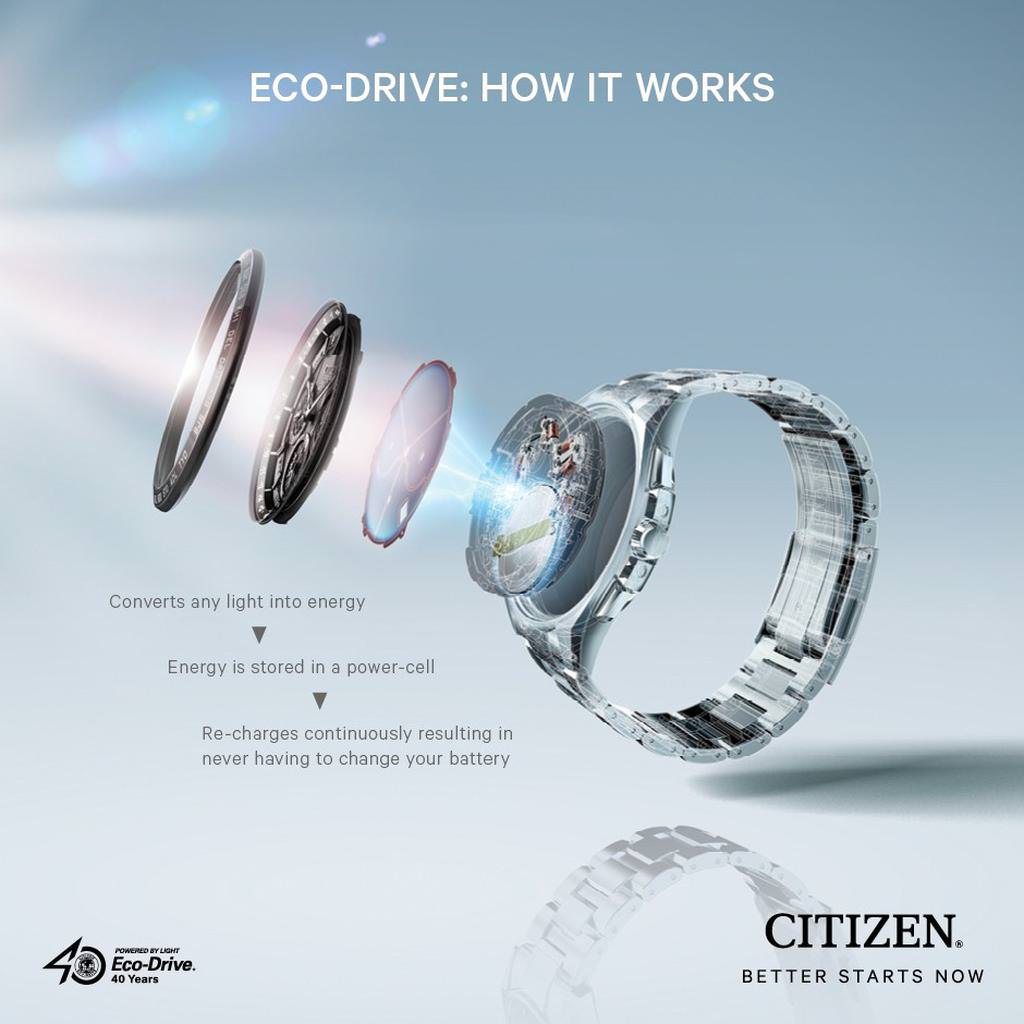
At its core, a Citizen Eco‑Drive watch is a timepiece that runs on light—natural sunlight or indoor illumination—thanks to a built‑in solar cell. Unlike traditional quartz watches that rely on a replaceable battery, Eco‑Drive models store energy in a rechargeable capacitor, keeping the hands moving even in darkness. This technology emerged in the early 1990s, when Citizen sought a more sustainable alternative to the disposable battery market.
The term “Eco‑Drive” blends “eco” for ecological responsibility and “drive” for the watch’s power‑train. The phrase signals both environmental consciousness and a reliable, low‑maintenance movement, a combination that has resonated with consumers looking for a blend of style and practicality.
Key Features That Define Eco‑Drive Watches
While the solar‑powered heart is the hallmark, modern Eco‑Drive watches offer a suite of features that go beyond the basics.
- Perpetual Power Reserve: A fully charged Eco‑Drive watch can typically run for up to six months without additional light exposure, thanks to its high‑capacity storage cell.
- Water Resistance: Most models are rated at 100 m (10 ATM) or higher, making them suitable for swimming and light snorkeling.
- Varied Complications: From date windows and chronographs to world‑time displays, the Eco‑Drive platform supports a wide range of additional functions.
- Durable Materials: Many watches feature stainless‑steel cases, sapphire crystal, and ceramic bezels, offering scratch resistance and a premium feel.
- Eco‑Friendly Packaging: Citizen often ships Eco‑Drive watches in recyclable boxes, reinforcing the sustainability message.
How the Solar Mechanism Works
The tiny solar cell sits beneath the dial, usually hidden beneath a translucent portion of the crystal. When light hits this area, photons are converted into electrical energy, which is then transferred to the rechargeable capacitor. Unlike a conventional battery, the capacitor can endure thousands of charge cycles without degradation, ensuring the watch remains accurate for years.
If a watch is left in a dark drawer for an extended period, the power reserve will gradually deplete. However, a brief exposure to daylight—sometimes as little as a few minutes—can fully recharge the cell, a convenience that many owners appreciate during travel.
Design Options Across the Eco‑Drive Range
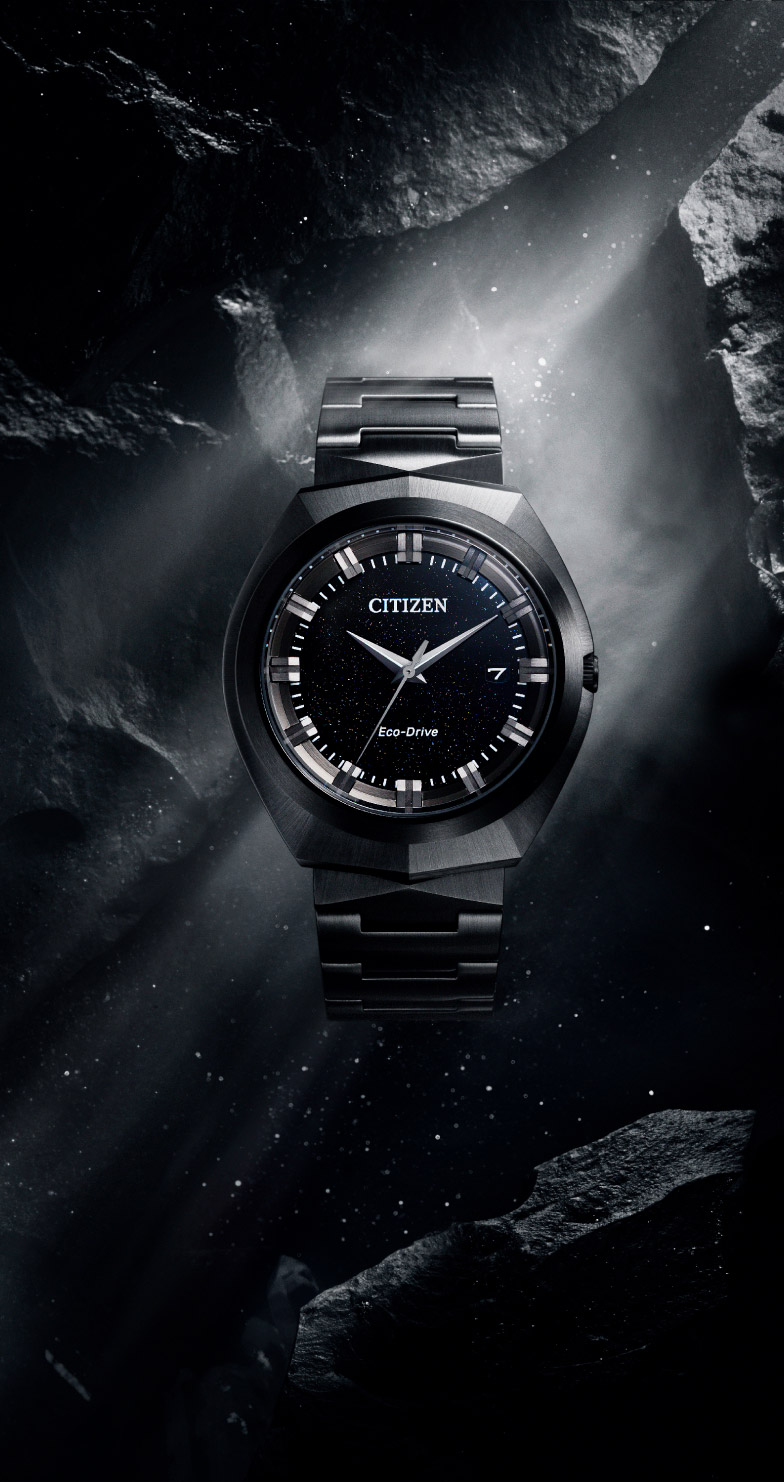
Citizen has crafted Eco‑Drive watches for virtually every taste. Dress models often showcase a minimalist dial with a polished stainless‑steel case and a leather strap, while sportier versions may incorporate a titanium case, rubber strap, and bold, luminescent hands for visibility in low light.
Limited‑edition releases sometimes integrate exotic materials—such as ceramic or even meteorite dials—demonstrating that sustainability does not preclude luxury. Regardless of style, the signature Eco‑Drive logo on the dial back signals the solar technology within.
Benefits for Everyday Wearers
Beyond the environmental angle, Eco‑Drive watches eliminate the inconvenience of battery changes. No more visits to a jeweler or watchmaker; the watch essentially “takes care of itself.” This reliability is especially valuable for professionals who cannot afford a dead watch during critical moments.
The consistent power source also contributes to timekeeping accuracy. Since the movement is continuously powered, it maintains a steady oscillation, often achieving ±15 seconds per month—comparable to high‑grade quartz standards.
Common Misconceptions
Some prospective buyers worry that a solar‑powered watch might be fragile or require constant light. In reality, the solar cell is sealed behind the crystal, and the watch is built to the same durability standards as any other Citizen quartz model. A brief period of bright light each week is typically enough to keep the capacitor topped up.
Another myth is that Eco‑Drive watches are only for “green” consumers. While the eco‑friendly aspect is a selling point, the technology appeals to anyone who values low‑maintenance, long‑lasting precision.
Choosing the Right Eco‑Drive Model
When selecting an Eco‑Drive watch, consider the following:
- Purpose: A slim dress watch for formal occasions versus a robust chronograph for outdoor activities.
- Size: Case diameters range from 38 mm to 45 mm; choose a size that complements your wrist.
- Features: If you travel frequently, a world‑time or GMT model might be useful.
- Budget: Prices span from under $200 for entry‑level pieces to over $1,000 for premium collections.
Trying the watch on in person can help you gauge comfort and aesthetic appeal, but many retailers also offer generous return policies for online shoppers.
FAQ
Q: How long does it take to fully charge a Citizen Eco‑Drive watch?
A: Typically, about 30 minutes of direct sunlight or several hours of indoor lighting will bring the watch to full charge, though the exact time varies with the model and light intensity.
Q: Can I wear my Eco‑Drive watch while swimming?
A: Most Eco‑Drive watches are water‑resistant to at least 100 m, making them safe for swimming and shallow snorkeling, but they are not intended for scuba diving unless the specific model states a greater depth rating.
Q: Will the watch stop if I forget to expose it to light for months?
A: If the power reserve is depleted, the watch will stop, but a short exposure to bright light will reactivate it. The capacitor can hold a charge for up to six months under typical conditions.
Q: Are Eco‑Drive watches covered by Citizen’s warranty?
A: Yes, Citizen provides a standard two‑year international warranty on most Eco‑Drive models, covering defects in materials and workmanship.