What “Feature Length” Really Means in Film and TV
Defining Feature Length
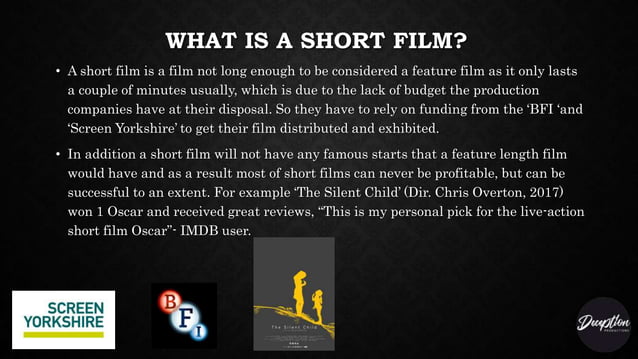
When you hear someone talk about a feature‑length production, they’re usually referring to a work that runs long enough to be the main attraction on a screen. In practice, that means a runtime that comfortably exceeds the short‑form threshold—typically around 40 minutes—and stretches into the realm of what most audiences expect for a “full” movie or a flagship television episode.
The exact cut‑off varies by industry body, but the most common benchmark in the United States is 80 minutes or longer for theatrical releases. Streaming platforms, on the other hand, often treat anything over 60 minutes as feature length, especially when it occupies a single viewing slot.
Historical Roots of the Term
The phrase traces back to the early days of cinema, when theaters programmed a “program” of several short reels followed by a longer “feature.” Those longer pieces were meant to draw crowds and justify higher ticket prices. Over time, the feature became the centerpiece, while shorts were relegated to opening acts or special screenings.
In the silent era, a feature could be as short as 50 minutes, simply because production constraints limited how much film could be shot and edited. As sound and color technology matured, so did audience expectations, nudging the average feature length upward.
How Feature Length Varies Across Platforms
Today, the definition flexes to match the medium:
- Theatrical releases: Generally 80–180 minutes, with blockbusters often pushing beyond two hours.
- Streaming originals: Many platforms label 60‑minute episodes as “feature‑length” to signal a self‑contained story.
- Documentaries: Festivals may accept works as short as 50 minutes, yet broadcasters often require a full hour.
- Television pilots: Networks sometimes order a 70‑minute pilot, treating it as a mini‑feature to hook viewers.
These nuances matter because they affect everything from budgeting to distribution contracts.
Practical Implications for Creators
Knowing where your project falls on the length spectrum can shape its creative and financial trajectory. A feature‑length film typically commands a larger budget, more extensive crew, and a longer post‑production schedule. It also opens doors to theatrical distribution, eligibility for certain awards, and broader international sales.
Conversely, a shorter runtime can be a strategic advantage for indie filmmakers looking to minimize costs while still qualifying as a “feature” for festival submissions. Many festivals define a feature as any work over 40 minutes, so a 45‑minute drama can still compete alongside longer titles.
For writers, the length influences narrative pacing. A 90‑minute structure often follows a three‑act model, while a two‑hour epic may require additional subplots or character arcs to sustain audience interest.
Common Misconceptions
It’s easy to assume that “feature length” is a rigid, universal rule, but that’s not the case. Here are a few myths that persist:
- Myth: All feature films run at least two hours.
Reality: Many acclaimed movies sit comfortably around the 90‑minute mark. - Myth: Streaming content can’t be considered feature length.
Reality: Platforms routinely label 60‑minute narratives as features, especially when they’re self‑contained. - Myth: A feature must be shown in theaters to earn the label.
Reality: Festival screenings, digital releases, and even TV premieres can qualify a work as a feature.
FAQ
Is a 90‑minute movie automatically considered feature length?
Yes, in most industry standards a 90‑minute runtime comfortably meets the feature‑length criteria for both theatrical and streaming releases.
Do streaming services have a different definition than traditional cinema?
Streaming platforms often treat anything over 60 minutes as a feature, especially when it occupies a single episode slot. This is slightly lower than the typical theatrical benchmark but reflects the viewing habits of on‑demand audiences.
Can a documentary under an hour still be a feature?
Many film festivals accept documentaries as short as 50 minutes as features, though broadcasters may prefer the one‑hour mark to fit programming blocks.
What length should an indie filmmaker aim for to qualify for festivals?
Targeting at least 45 minutes is a safe bet, as most festivals define a feature as any work longer than 40 minutes. This gives enough room for a complete narrative while keeping production costs manageable.