What Car Mechanics Do & How to Find the Right One
If your vehicle has been making odd noises or the check‑engine light has finally decided to stay on, you’ll soon find yourself looking for a trusted car mechanic. While most people think of mechanics as simple grease‑and‑tune‑up people, the reality is a blend of science, diagnostics, and customer care. Understanding exactly what a mechanic does and how to choose a reputable shop can save you time, money, and a whole lot of frustration.
How Car Mechanics Keep Your Vehicle Running Smoothly
Car mechanics perform a wide range of services, from routine maintenance to complex repairs. The key to their expertise lies in the combination of hands‑on skills and diagnostic technology. Here’s a breakdown of the main responsibilities:
- Routine Maintenance – Oil changes, tire rotations, brake inspections, fluid checks, and filter replacements keep everyday driving safe.
- Diagnostic Testing – Modern vehicles carry millions of micro‑circuits. Mechanics use scan tools to read error codes, pinpoint issues, and avoid unnecessary part replacements.
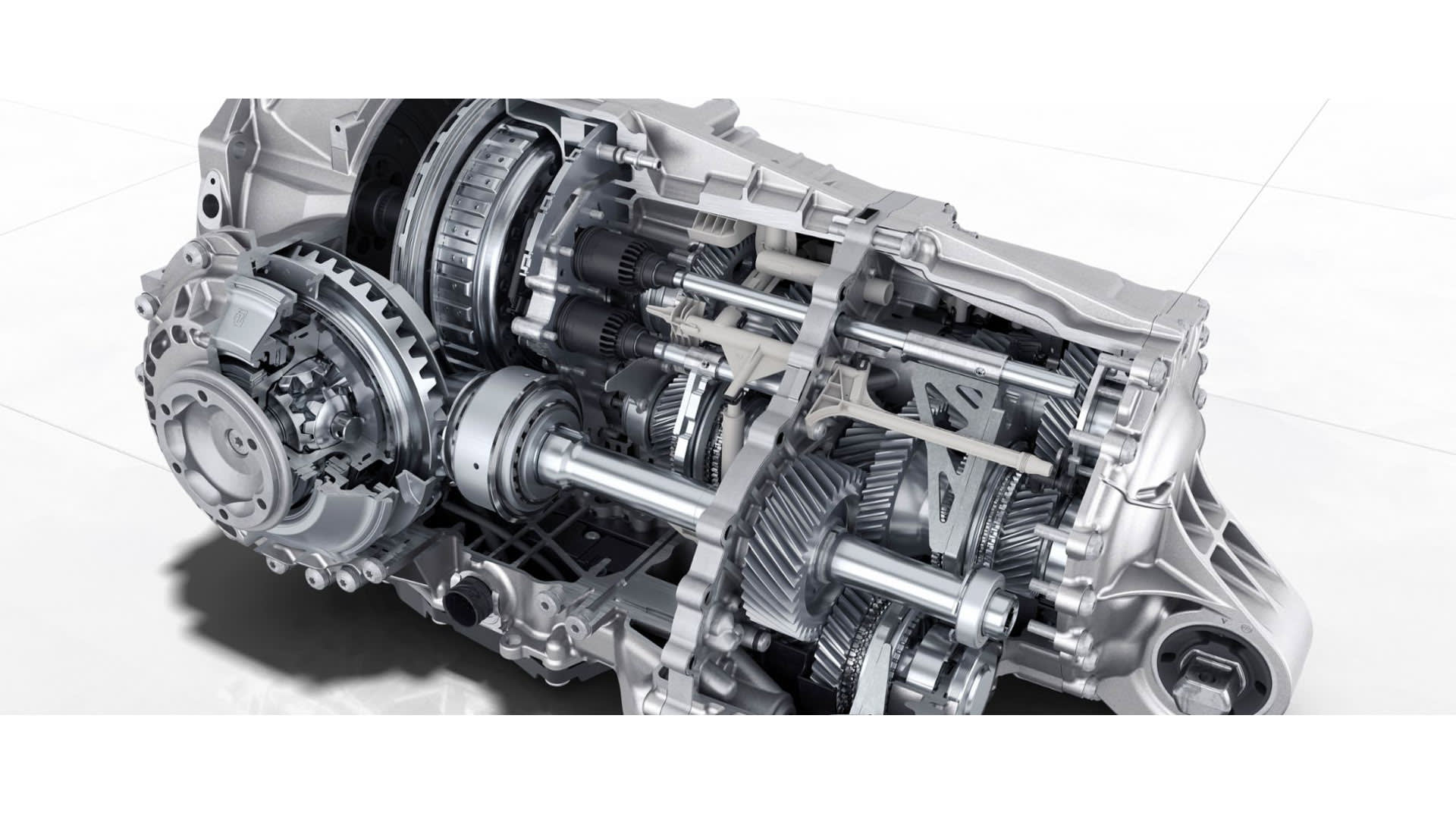
- Mechanical Repairs – Engine overhauls, transmission rebuilds, suspension alignment, and power‑train work are core repair tasks that restore performance.
- Electrical & Electronic Service – From alternators to infotainment systems, electrical problems require precise troubleshooting and component replacement.
- Customer Communication – Explaining the problem, the required fixes, and the cost estimate is as important as the work itself.
Because the automotive industry has evolved, a good mechanic needs a blend of mechanical intuition, up‑to‑date tools, and an eye for detail. Most skilled mechanics hold certifications such as the ASE (Automotive Service Excellence) badge, which signals a commitment to standards and continuing education.
Choosing a Mechanic That Fits Your Needs
Finding the right mechanic isn’t just about finding someone who can fix a squeaky belt. It’s about trust, transparency, and reliability. Below are proven steps to help you identify a reputable professional.
Ask for Recommendations
Word of mouth remains one of the best ways to locate quality service. Ask family, friends, or coworkers if they’ve had positive experiences with a local shop. Pay attention to who recommends a mechanic for “quick turnaround” and “fair pricing.”
Check Online Reviews and Ratings
Websites like Google, Yelp, and RepairPal aggregate customer feedback. Look for patterns: consistent praise for customer service or frequent complaints about overcharging. A high rating alone isn’t enough; read the details.
Verify Certifications and Licenses
Ask if the shop holds ASE certifications or local licensing. Certified mechanics have passed rigorous exams and are required to stay current with automotive technology.
Compare Estimates
When you get a quote, it should be itemized: labor hours, parts cost, and any additional services. A vague “$200 for repair” can hide hidden fees. A detailed estimate shows the mechanic’s transparency.
Assess the Shop’s Environment
A clean, organized garage indicates professionalism. Look for a shop that offers a comfortable waiting area, clear signage, and visible safety measures. A well‑maintained workshop reflects the team’s attention to detail.
Consider the Warranty and After‑Service Support
Good mechanics back their work with a warranty on parts and labor. Ask how long the warranty lasts and what it covers. Reliable shops also follow up with customers after service to ensure the problem is truly resolved.
Ask About Specializations
Some mechanics specialize in certain makes or models, especially high‑performance or luxury vehicles. If you drive a particular brand, a specialist may be more familiar with manufacturer nuances, leading to a smoother repair process.
When to Call a Professional vs. DIY Fixes
While it’s tempting to tackle small repairs yourself, certain jobs are better left to an expert. If you notice:
- Persistent engine misfires or unusual noises that you can’t locate
- Brake system issues, such as squealing or reduced stopping power
- Suspension or steering problems that affect handling
- Electrical glitches, like flickering dashboard lights or non‑responsive controls
It’s safer and often more economical to bring your car to a professional. Even minor misdiagnoses can lead to expensive damage down the road.
Keeping the Relationship Strong
A recurring relationship with a trusted mechanic pays dividends. Regular maintenance from the same technician ensures that they understand your vehicle’s history. They’ll notice subtle changes and can catch emerging problems early. In addition, loyal customers often receive discount rates or priority scheduling.
FAQ
- What is the average cost for a basic car service? Prices vary by region and vehicle type, but a typical oil change and routine inspection may range from $50 to $120.
- How often should I bring my car for a tune‑up? Most manufacturers recommend a tune‑up every 30,000 miles or twice a year, whichever comes first.
- Do I need a warranty on parts and labor? Yes; a reputable mechanic will offer a warranty that protects you from unforeseen issues within a reasonable timeframe.
- Can I bring my own parts to reduce costs? Some shops will install aftermarket parts, but it’s best to confirm whether this will affect their labor rate or warranty.
Understanding the breadth of a mechanic’s role and following a structured approach to finding one can transform routine vehicle care into a smooth, reliable experience. By leveraging recommendations, checking credentials, and asking the right questions, you’ll ensure that your car stays on the road—and that you stay in control of both the quality and cost of its maintenance.