What an Open Door Policy Means—and Why It Matters
In the modern workplace, the phrase Open Door Policy is often tossed around like a buzzword. Yet, what does it truly entail, and how does it shape the everyday interactions between employees and leadership? This article unpacks the definition, explores its tangible effects, and offers practical steps for making the approach work without compromising structure or security.
What Is an Open Door Policy?
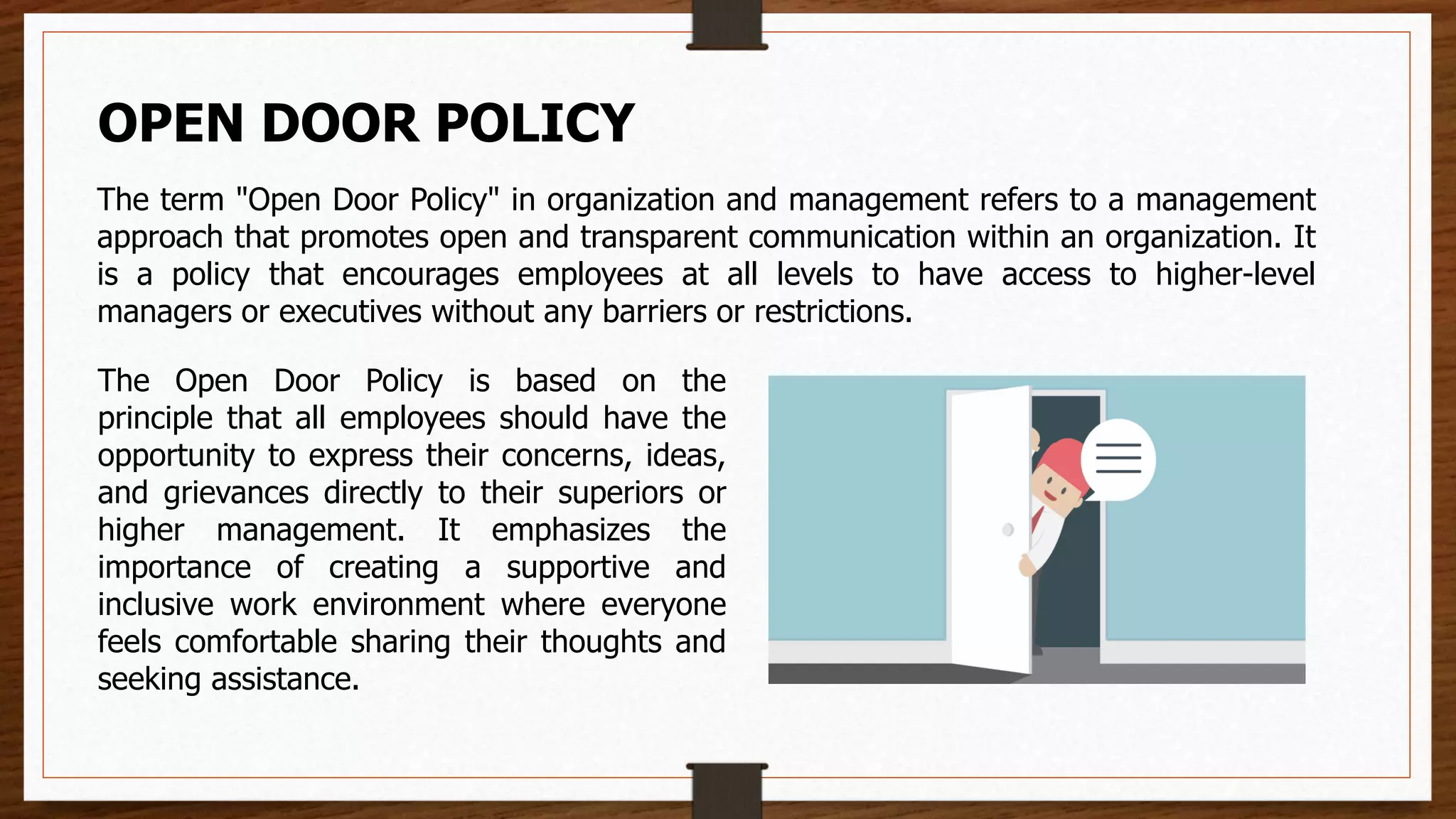
At its core, an Open Door Policy invites staff to approach supervisors—directly or indirectly—with concerns, ideas, or feedback. Rather than funneling all communication through formal channels, it signals that managers value candid dialogue and are willing to listen.
Open Door Policy: Key Principles
- Accessibility: Leaders should be physically and psychologically available, ensuring that the "door" isn’t merely symbolic.
- Non‑retaliation: Employees must trust that sharing opinions will not trigger punitive measures.
- Responsiveness: Prompt acknowledgment and follow‑up demonstrate respect for the speaker’s time.
- Confidentiality: Sensitive matters should be handled privately, preserving discretion where needed.
Why Businesses Adopt It
Companies that champion open dialogue often enjoy:
- Higher engagement, as workers feel heard.
- Faster problem‑resolution, because issues surface before they snowball.
- Improved innovation, since fresh ideas can surface across hierarchical lines.
Benefits and Risks
The upside is clear, but there are pitfalls. Over‑frequent interruptions can disrupt deep work, and a lack of boundaries can blur roles. A balanced approach—setting clear hours for informal chats, for instance—helps mitigate these concerns.
Implementing an Open Door Culture
- Set expectations: Communicate the purpose, scope, and limits of the policy in onboarding and regular meetings.
- Model behavior: Leaders should actively engage in conversations, demonstrating that openness is more than policy—it's practice.
- Leverage technology: Virtual “coffee” rooms or anonymous suggestion boxes complement face‑to‑face interactions, especially in hybrid environments.
- Track outcomes: Monitor the volume of feedback, resolution time, and employee satisfaction metrics to refine the approach.
Case Study Snapshots
At a mid‑size software firm, a 30‑minute weekly “town‑hall” slot allowed developers to voice concerns about tooling. The initiative reduced bug‑report backlog by 15% in three months. A retail chain opened an anonymous hotline for store managers, leading to a 12% reduction in reported safety incidents.
FAQ
1. Can an Open Door Policy coexist with strict performance reviews?
Yes. Formal reviews remain structured, while the policy offers informal avenues for continuous feedback.
2. How do managers avoid being overwhelmed by constant chatter?
Setting dedicated “open” hours and using digital tools to triage urgent matters helps keep the flow manageable.
3. Does the policy mean managers have to answer every question on the spot?
No. Prompt acknowledgment followed by a thoughtful response—whether immediate or scheduled—maintains credibility.
4. What if employees fear retaliation?
Clear non‑retaliation statements and a track record of fair action build trust and encourage honest dialogue.