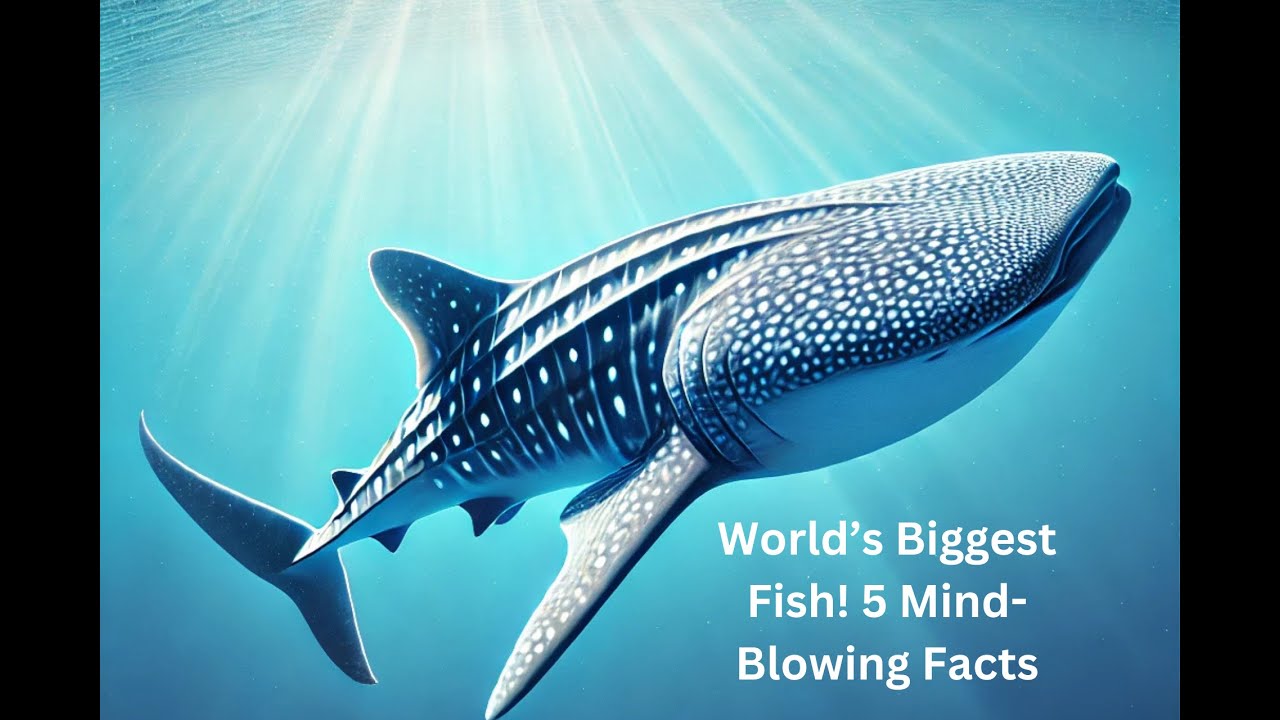
Whale Shark Wonders: 12 Surprising Facts About Gentle Giants
Whale Shark Facts: An Overview of the Ocean’s Largest Fish
When most people picture a shark, they imagine a sleek predator prowling the deep. The whale shark flips that script entirely. As the biggest fish on Earth, this gentle behemoth can stretch over 12 meters long and still glide peacefully through warm, sun‑lit waters. Its massive mouth, lined with tiny teeth, works like a filter, scooping up plankton and tiny fish as it swims. Understanding these creatures begins with a handful of key facts that highlight both their astounding size and surprisingly delicate nature.
Size and Growth: How Massive Can a Whale Shark Get?
Whale sharks routinely reach lengths of 10 to 12 meters, with the longest verified individual measuring about 12.8 meters. Their bodies can weigh upwards of 20 tonnes—a weight comparable to a small bus. Growth is steady but slow; juveniles gain roughly a meter each year during their early years. Because they lack a rigid skeleton, much of their bulk comes from dense cartilage and a thick layer of muscle, allowing them to maintain buoyancy while cruising near the surface.
Habitat and Global Migration Patterns
These giants favor tropical and subtropical oceans worldwide, from the coast of Mexico to the waters off the Maldives. They are often spotted near plankton blooms, where food is abundant. Seasonal migrations can span thousands of kilometres; for example, Atlantic whale sharks travel between the Gulf of Mexico and the Caribbean to follow shifting currents. Satellite tagging has revealed that individuals may cross entire ocean basins, returning to familiar feeding hotspots year after year.
Feeding Habits: The Art of Filter‑Feeding
Unlike their carnivorous cousins, whale sharks are filter feeders. They open their enormous mouths up to 1.5 metres wide and swim with their gills expanded, drawing water that passes through rows of gill rakers. These fine comb‑like structures trap plankton, krill, and small fish. Some researchers suggest that they also skim the surface for floating debris, inadvertently ingesting micro‑plastics—a growing concern for their health.
Reproduction: What We Know About Their Mysterious Births
Much of the whale shark’s reproductive cycle remains a mystery. Females are thought to give birth to live young after a gestation period that could last up to a year, though exact timing is still debated. Newborn pups are already sizable, measuring about 1.5 metres in length. Because they mature slowly—reaching sexual maturity only after roughly 30 years—population recovery from threats can be painfully slow.
Lifespan and Longevity
Estimates suggest whale sharks can live for 70 years or more, making them some of the longest‑lived fish in the seas. Growth rings in their vertebrae, similar to tree rings, provide clues about age, though interpreting these rings is complex. Their long lifespan underscores the importance of protecting them throughout their many decades of life.
Human Interactions: Swimming with the Giants
Because whale sharks are docile and often swim near the surface, they have become popular attractions for ecotourism. In places like Ningaloo Reef (Australia) and Isla Holbox (Mexico), operators offer guided swims that let people glide alongside these massive fish. While such experiences can foster conservation awareness, they must be managed carefully to avoid stress or injury to the sharks.
Conservation Status and Ongoing Threats
The International Union for Conservation of Nature (IUCN) lists whale sharks as Endangered. Primary threats include accidental capture in fishing gear, collisions with boats, and ingestion of plastic debris. Climate change may also affect plankton distribution, indirectly impacting their food supply. Conservation measures—such as protected marine areas, vessel speed limits, and bycatch reduction programs—are gradually being implemented worldwide.
FAQ
- Do whale sharks bite humans? Very rarely. Their mouths are designed for filtering tiny organisms, not for attacking large prey, and they typically ignore divers.
- How can I spot a whale shark while traveling? Look for regions with seasonal plankton blooms; local tour operators often know the best times and spots.
- Are whale sharks truly endangered? Yes. Their slow growth, late maturity, and human‑related threats have pushed their numbers down, prompting global protection efforts.
- What can individuals do to help protect whale sharks? Reducing plastic use, supporting sustainable fisheries, and choosing responsible wildlife tour operators all make a difference.