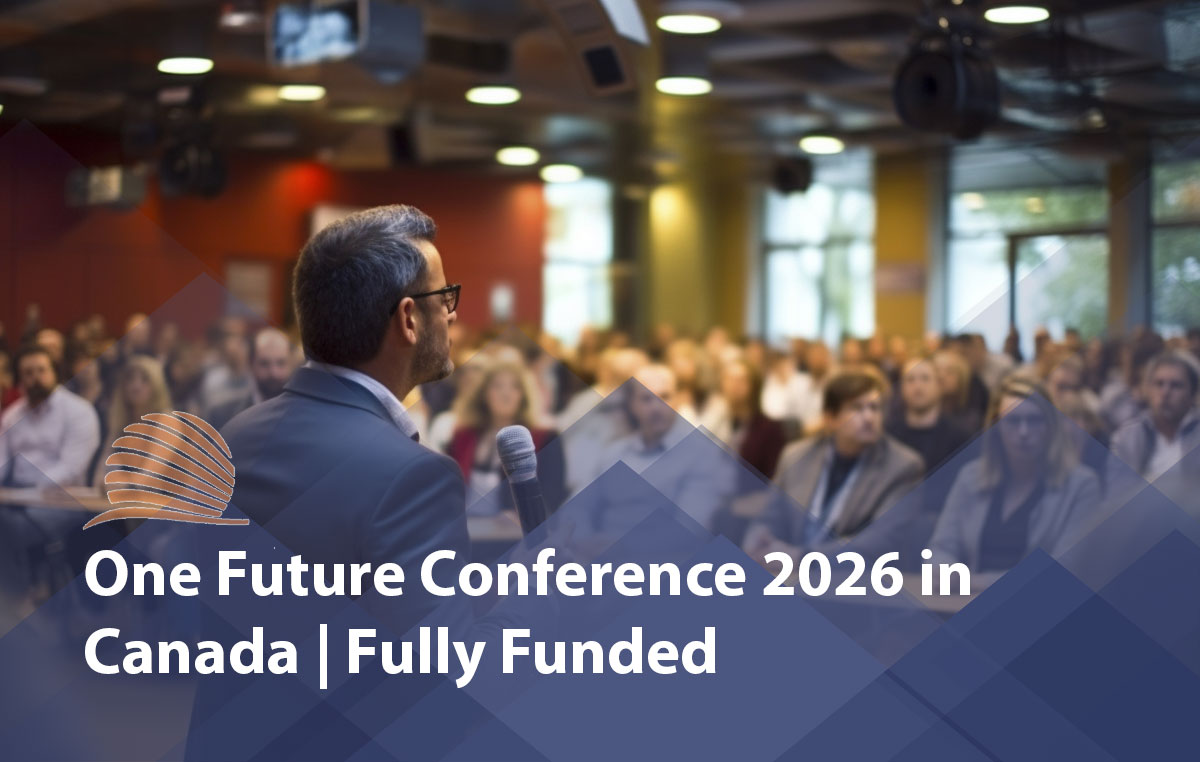
Unlock Fully Funded Conference Opportunities Across Canada
Researchers, graduate students, and early‑career professionals often wonder how to showcase their work without draining their research budget. The good news is that Canada hosts a surprising number of fully funded conferences, where travel, accommodation, and registration fees are covered for qualifying participants. Whether you’re in the sciences, humanities, or emerging tech fields, these events can serve as springboards for collaboration, publishing, and even future employment.
Why Pursue Fully Funded Conferences in Canada?
Beyond the obvious financial relief, attending a funded conference in Canada offers exposure to a diverse scholarly community. Canadian institutions pride themselves on inclusivity, so you’ll meet peers from across the globe, many of whom are eager to form cross‑border research partnerships. Moreover, many of these gatherings are linked to government‑sponsored research agendas, meaning the discussions often touch on topics that attract further funding streams.
Key Sources for Finding Fully Funded Conferences
Finding the right opportunity takes a bit of detective work. Below are the most reliable avenues to uncover fully funded conferences in Canada:
- University event calendars: Large research universities like the University of Toronto, McGill, and UBC maintain searchable listings of upcoming conferences, many of which include travel awards.
- Professional societies: Organizations such as the Canadian Association for Graduate Studies (CAGS) or the Canadian Society for Clinical Chemistry routinely announce funded slots for members.
- Government portals: The Canada Research Chairs program and the Natural Sciences and Engineering Research Council (NSERC) publish annual calls for conference funding.
- Funding aggregators: Websites like Conference Alerts Canada or ScholarshipsCanada.com have filters for “fully funded” events.
Typical Eligibility Criteria
While each conference sets its own rules, most share common requirements:
- You must be a current student (undergraduate, master’s, or PhD) or an early‑career researcher (usually within five years of your terminal degree).
- Your abstract or paper should align with the conference theme; many organizers request a brief statement of how your work contributes to the field.
- Applicants often need a recommendation or endorsement from a faculty mentor.
- Some funding bodies prioritize applicants from underrepresented groups or those whose travel costs would otherwise be prohibitive.
Top Conferences Offering Full Funding (2024‑2025)
The following list highlights a handful of well‑established conferences that consistently provide comprehensive support:
- Canadian Society for Chemical Engineering Annual Meeting – Includes travel grants for graduate students presenting original research.
- International Conference on Indigenous Health (ICIH) – Covers airfare and lodging for scholars focusing on Indigenous health outcomes.
- Canada AI & Machine Learning Summit – Offers full sponsorship to early‑career AI researchers who submit a poster.
- Canadian Historical Association Conference – Provides a limited number of fully funded spots for graduate history students.
- Eco‑Sustainability Forum – Targets environmental science projects, with funding often sourced from the federal Green Fund.
How to Craft a Winning Application
Securing a fully funded spot is competitive, but a thoughtful approach can tip the scales. Start by tailoring your abstract to the conference’s specific focus—avoid generic language. Next, highlight any prior presentations or publications to demonstrate your experience. Finally, ask your advisor for a concise, enthusiastic recommendation that speaks to your potential impact at the event.
Budget Planning Even When Funding Is Provided
“Fully funded” doesn’t always mean “no out‑of‑pocket expense.” Some conferences reimburse after the fact, while others issue a pre‑approved travel voucher. It’s wise to keep receipts and track any incidental costs, such as local transportation or meals not covered by the grant. In many cases, a modest personal budget for meals can keep you comfortable without violating the funding terms.
Networking Strategies for Maximum Benefit
Attending a conference is only half the opportunity; the other half is how you leverage the connections you make. Prepare a concise “elevator pitch” describing your research in 30 seconds. Attend social mixers, poster sessions, and any mentorship programs offered on site. Follow up with new contacts within a week—reference a specific conversation to make your email memorable.
Long‑Term Advantages of Fully Funded Attendance
Beyond the immediate presentation, these experiences can enrich your CV, improve your grant writing skills, and sometimes lead directly to collaborative publications. Canadian institutions often maintain post‑conference alumni networks, which can be a conduit for future job openings or joint grant proposals.
Frequently Asked Questions
What is the typical deadline for applying to a fully funded conference?
Most conferences set their application deadline three to six months before the event. Keep an eye on university bulletins and set calendar reminders well in advance.
Can I apply for funding if I’m a post‑doc?
Yes—many conferences include post‑doctoral researchers in their eligibility criteria, though the number of slots may be smaller than for graduate students.
Do I have to attend in person, or are virtual options also funded?
While many fully funded awards are for in‑person attendance, a growing number of hybrid conferences now offer stipends for virtual participants, especially when they need to present a poster or give a short talk.
Is travel insurance required?
Most funding agreements stipulate that you maintain basic travel insurance, but the cost is usually your responsibility. Check the specific terms of the award you receive.