Understanding Wraparound Mortgages: How They Work
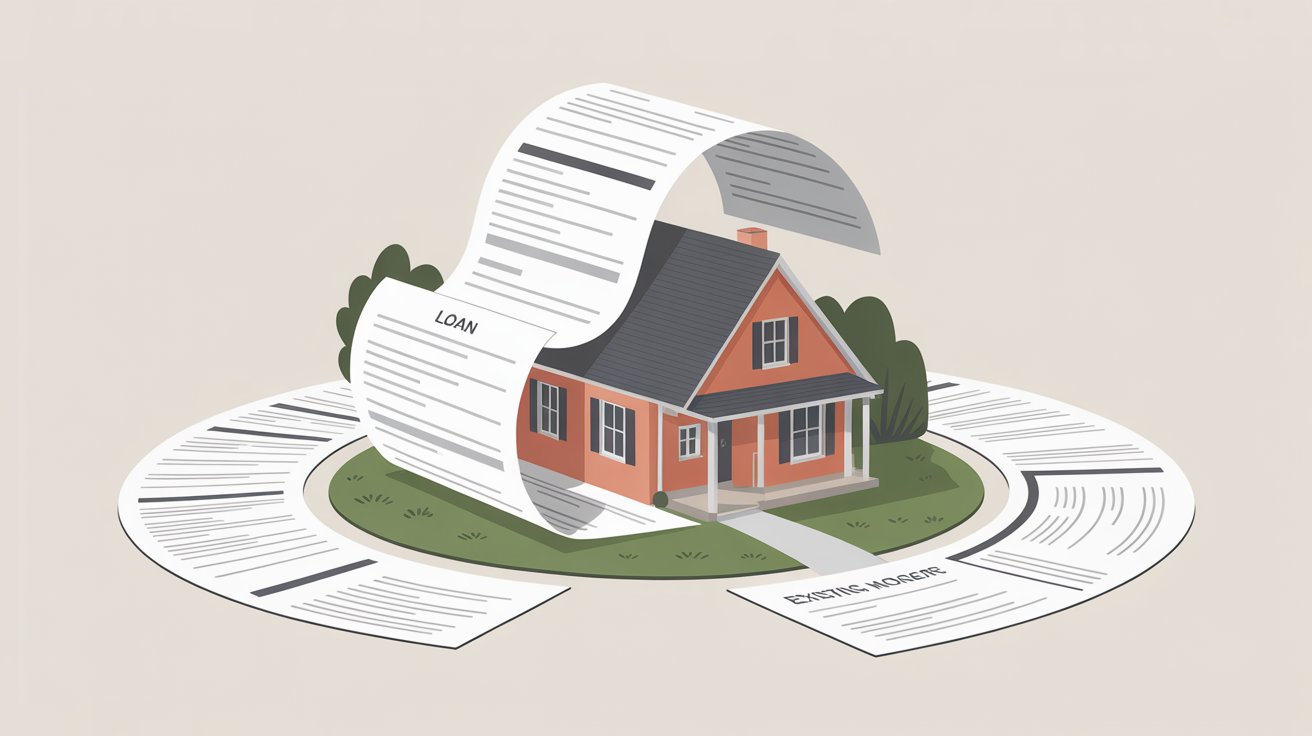
A wraparound mortgage is a creative financing tool that lets a seller stay on the hook for an existing loan while extending a new, larger loan to the buyer. In plain terms, the seller “wraps” the buyer’s payment around their own, collecting a single monthly amount that covers both mortgages and, often, a profit margin. Because the arrangement blends two debt streams into one, it can open doors for buyers who struggle to qualify for conventional financing.
How a Wraparound Mortgage Is Structured
At its core, the seller retains the original loan—typically a low‑interest, fixed‑rate mortgage—while the buyer signs a fresh promissory note for a higher amount. The buyer’s payment is calculated by adding the seller’s outstanding balance to the extra financing the seller wants to provide. For example, if the seller still owes $120,000 on a 4% loan and the buyer needs $150,000 total, the buyer might agree to a 6% note for $150,000. The buyer then pays the seller, who forwards the $120,000 portion to the original lender and keeps the spread.
Why Sellers Choose the Wraparound Route
- Cash flow boost. The interest rate differential can generate extra monthly income.
- Faster sale. Buyers who can’t secure traditional loans may be attracted to the flexibility.
- Tax advantages. In some cases, sellers can defer capital gains by financing part of the purchase.
Benefits for Buyers
For buyers, the appeal lies in accessing a property without meeting strict bank criteria. A wraparound can also lock in a lower effective rate than what a conventional loan would offer, especially if the seller’s original loan is exceptionally cheap. Additionally, the process is often quicker than a full‑blown mortgage application, since the seller handles much of the paperwork.
Potential Risks and Pitfalls
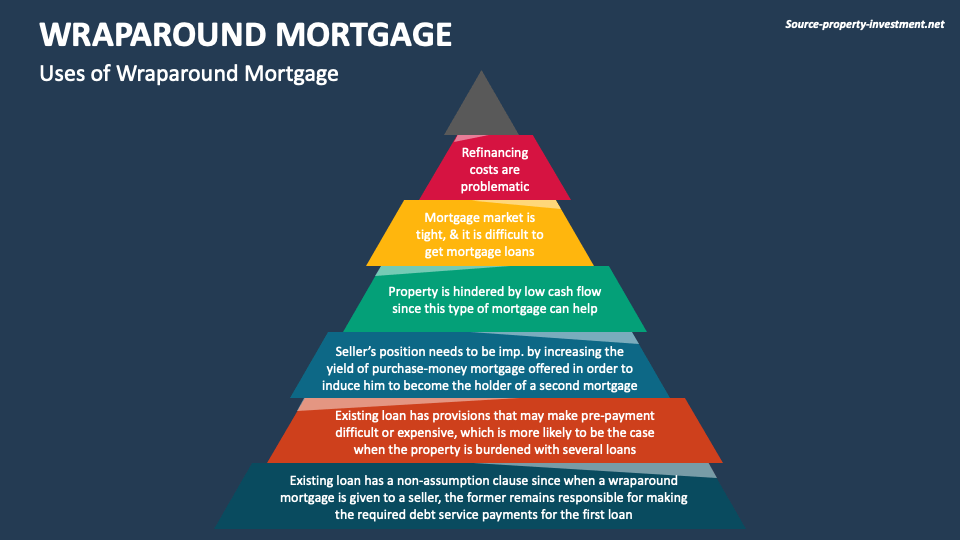
Despite the perks, both parties face notable hazards. Sellers risk the buyer defaulting, which could leave them responsible for the underlying loan while still receiving reduced payments. Some lenders include “due‑on‑sale” clauses that trigger the full repayment of the original loan if the property changes hands, meaning the wraparound could be deemed a breach of contract.
Buyers, on the other hand, may find themselves paying interest on two loans without realizing the full cost. If the seller decides to refinance or pay off the original mortgage, the buyer could lose the favorable terms they were counting on. Transparency is crucial; hidden fees or vague payment schedules can quickly turn a seemingly sweet deal sour.
Legal and Due‑Diligence Steps
Because wraparound arrangements sit in a gray area between conventional lending and private financing, thorough documentation is essential. Here are the typical steps:
- Confirm the original mortgage’s terms and whether a due‑on‑sale clause exists.
- Draft a clear promissory note that outlines interest rate, amortization schedule, and default provisions.
- Record a deed of trust or mortgage that secures the buyer’s obligations against the property.
- Engage a real‑estate attorney or title company to ensure the transaction complies with state law.
Skipping any of these steps can expose both parties to lawsuits or unexpected foreclosure.
When a Wraparound Makes Sense
Real‑estate investors often use wraparounds to acquire properties with minimal cash outlay. A landlord might purchase a home, then rent it out while simultaneously offering a wraparound to a tenant‑buyer, effectively collecting rent and mortgage payments in one bundle. Similarly, sellers in a tight market—where buyers are scarce—may resort to a wrap to keep the sale moving.
First‑time homebuyers struggling with credit issues also find value in this setup, especially if the seller is motivated and willing to negotiate favorable terms. However, the arrangement works best when the seller’s existing loan is still in good standing and the property has appreciable equity.
Comparing Wraparound Mortgages to Other Creative Financing
Other alternatives include lease‑options, subject‑to deals, and seller financing without a wrap. A lease‑option gives a buyer the right, but not the obligation, to purchase later, often with part of the rent credited toward the down payment. “Subject‑to” means the buyer takes over the existing loan’s payments without formally assuming the loan—similar to a wrap, but without a new note.
The main distinction is that a wraparound creates a new, larger loan that explicitly includes the original balance, whereas the other methods typically leave the original loan untouched. This difference influences how interest spreads are calculated and how risk is allocated.
Key Takeaways Before You Dive In
- Ensure the seller’s original mortgage allows a wrap; a due‑on‑sale clause can derail the plan.
- Negotiate a clear interest spread that reflects market rates and the seller’s risk.
- Document everything—promissory note, security instrument, and any escrow arrangements.
- Consult a qualified attorney or real‑estate professional to verify compliance with local regulations.
Frequently Asked Questions
Can a buyer refinance a wraparound mortgage?
Yes, but the buyer would need to satisfy the lender’s underwriting standards for the full amount. Refinancing can also release the seller from their obligation on the original loan, effectively ending the wrap.
What happens if the seller defaults on the underlying loan?
In that scenario, the lender may foreclose on the property, wiping out both the seller’s and buyer’s interests. That risk underscores why buyers often require the seller to maintain a reserve account for loan payments.
Is a wraparound mortgage considered a “loan” under the Truth in Lending Act?
Generally, yes. The buyer’s promissory note is a loan, so disclosure requirements apply. Sellers should provide the same APR and finance charge information that a bank would.
Do all states allow wraparound mortgages?
Most states do, but the rules vary, especially concerning due‑on‑sale clauses and the need for recorded security instruments. Checking local statutes is a must.
Wraparound mortgages can be a win‑win when both seller and buyer understand the mechanics and protect themselves with solid contracts. Like any financial arrangement, the devil lies in the details, so take the time to do the math, consult experts, and keep the lines of communication open.