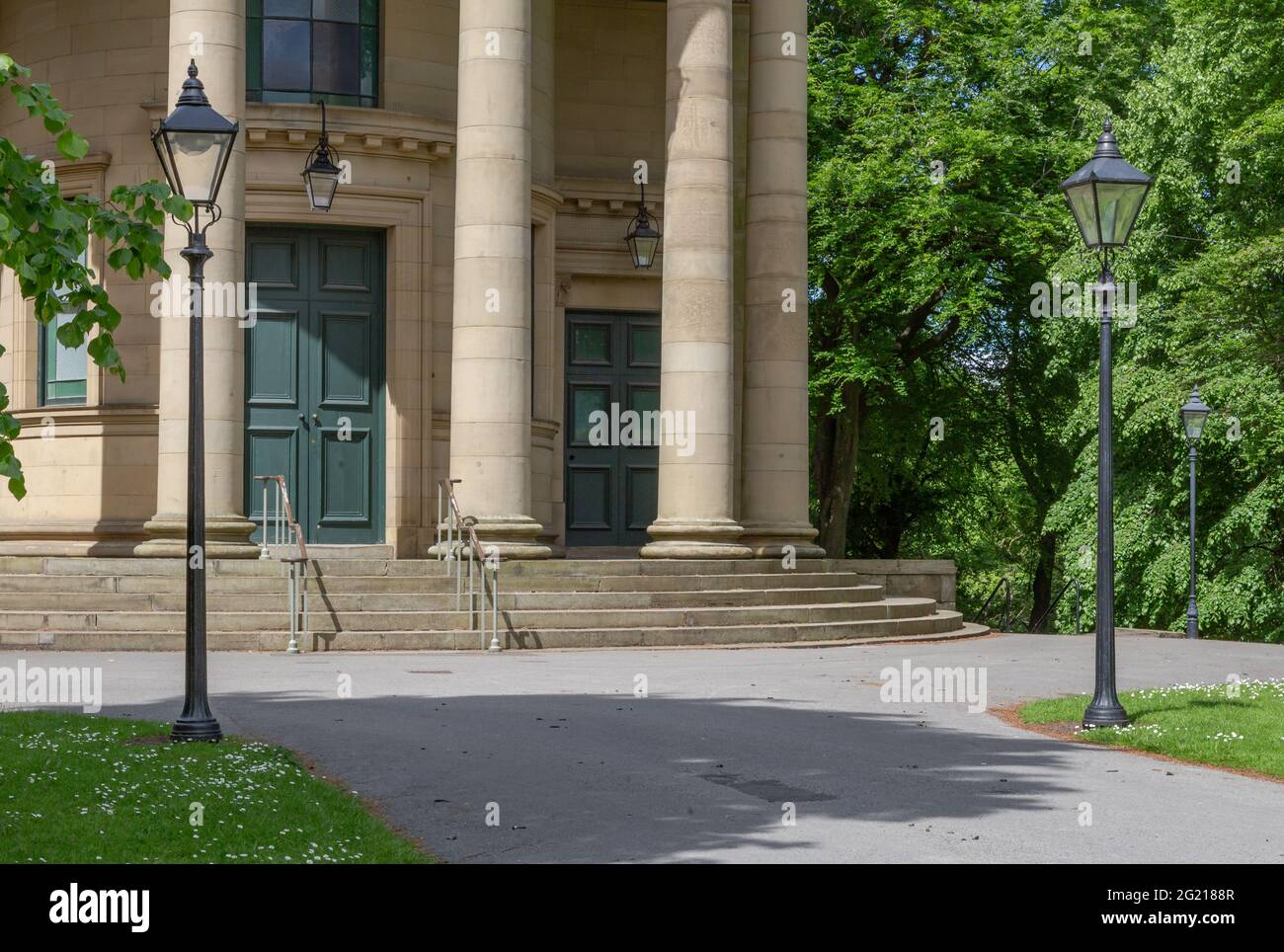
Understanding Unfluted Columns: A Simple Guide
When you walk through a classical building and notice the smooth, shaft‑like supports that lack the familiar vertical grooves, you’re looking at unfluted columns. These plain pillars have been used for centuries, offering a subtle alternative to the more ornate fluted variants. In this guide we’ll explore what makes unfluted columns distinct, where they originated, how to design with them, and why modern architects still reach for this understated element.
What Are Unfluted Columns?
At its core, an unfluted column is a vertical support whose shaft is a continuous, smooth surface—no ribs or channels cut into the stone, wood, or metal. The term “unfluted” simply denotes the absence of flutes, the shallow, rounded grooves that run the length of many classical orders. Because they lack these decorative recesses, unfluted columns often appear more massive and monolithic, emphasizing solid mass over rhythmic pattern.
Historical Context and Classic Examples
While the Greeks favored fluted Doric and Ionic shafts, the Romans began experimenting with smooth columns in civic and religious architecture. The Pantheon’s massive Corinthian pilasters, for instance, are largely unfluted, allowing the richly carved capitals to take visual focus. In the Renaissance, architects such as Palladio used unfluted Tuscan columns to convey a restrained elegance, especially in villa facades where the simplicity of the shaft balanced elaborate entablatures.
Later, the Neoclassical movement revived unfluted forms for government buildings and banks, where a sense of gravitas and stability was paramount. The United States Capitol’s east portico features unfluted Doric columns, a deliberate choice to suggest unadorned strength.
Design and Proportion Tips
Because the shaft provides less visual texture, proportion becomes critical. Here are a few guidelines to keep the column from feeling overly blunt:
- Height‑to‑diameter ratio: Aim for a ratio between 5:1 and 8:1 for a balanced look; taller ratios can appear slender, while lower ratios may feel squat.
- Capital treatment: Since the shaft is plain, a well‑crafted capital can add the needed visual interest. Consider more elaborate orders like Corinthian or Composite if you want a focal point.
- Base detailing: A pronounced base—often a plinth with moldings—helps break up the visual mass and anchors the column to the floor.
- Spacing: Wider intercolumniation (the gap between columns) can prevent a row of smooth shafts from looking like a solid wall.
Materials and Construction Methods
Unfluted columns can be crafted from a range of materials, each influencing the final aesthetic and structural performance:
- Stone: Marble and limestone are traditional choices; the smooth surface showcases the stone’s natural veining.
- Concrete: Modern projects often use cast‑in‑place or precast concrete, allowing for precise, uniform shafts.
- Wood: In residential or rustic settings, timber columns are turned or milled to a smooth finish, then sealed.
- Metal: Steel or aluminum shafts can be fabricated with a sleek, industrial feel, especially when paired with glass.
Regardless of material, achieving a true unfluted surface requires careful finishing. In stone, a combination of chiseling and polishing removes any inadvertent tooling marks. For concrete, a fine‑grit form liner or post‑cast polishing can produce the desired smoothness.
When to Choose Unfluted Over Fluted
Choosing between fluted and unfluted columns hinges on the design narrative you want to convey:
- Minimalist interiors: Unfluted columns complement clean lines and open floor plans without competing with other visual elements.
- Heavy masonry walls: A smooth shaft can soften the mass of a thick wall, providing subtle rhythm without overwhelming ornamentation.
- Budget considerations: Eliminating flutes reduces carving time and labor, which can lower costs for large projects.
- Lighting conditions: In low‑light spaces, flutes can cast deep shadows that may obscure details; smooth columns reflect light more evenly.
Common Misconceptions
Some designers assume that unfluted columns are inherently “plain” or lack architectural significance. In reality, the simplicity of the shaft often shifts emphasis to other elements—capitals, entablatures, or the surrounding façade—creating a more deliberate hierarchy. Another myth is that smooth columns are weaker. Structurally, the presence or absence of flutes has negligible impact on load‑bearing capacity; the primary concerns are material strength and proper sizing.
Modern Applications and Trends
Today’s architects are reinterpreting unfluted columns in surprising ways. In high‑end retail, a single unfluted steel column can become a sculptural anchor for a glass storefront. In residential design, timber columns with a smooth finish add a touch of classic formality to open‑plan living areas. Even landscape architecture employs unfluted concrete pillars as pergola supports, blending the ancient language of the column with contemporary outdoor living.
Digital fabrication tools, such as CNC milling and 3D printing, have also expanded what’s possible. Complex geometric shafts—think tapered cylinders or subtly twisted profiles—can remain “unfluted” while offering a fresh visual language that still respects the column’s historic role as a structural and symbolic element.
FAQ
What is the main difference between fluted and unfluted columns?
Fluted columns have vertical grooves that create rhythm and shadow; unfluted columns feature a smooth shaft, emphasizing mass and allowing other details to stand out.
Are unfluted columns suitable for load‑bearing walls?
Yes. The presence of flutes does not significantly affect structural capacity; proper material selection and sizing are the decisive factors.
Can I mix unfluted and fluted columns in the same building?
Mixing is possible and can add visual contrast, but it should be guided by a clear design intent—typically using one type for primary supports and the other for secondary or decorative purposes.
Do unfluted columns require more maintenance?
Generally no. Because there are no grooves to trap dust or grime, cleaning is often simpler. However, the finish of the chosen material (e.g., polished stone vs. painted concrete) dictates specific upkeep needs.