Understanding the Role of a Novella in a Book Series
When you pick up the latest installment of a beloved saga, you might notice a short, standalone piece labeled “novella” tucked between the main volumes. That label often raises eyebrows: what does a novella in a book series actually mean? Is it just a longer short story, a marketing gimmick, or something more integral to the narrative? This article unpacks the concept, explores why authors and publishers use novellas, and shows how they can enrich your reading experience.
Novella in a Book Series: Definition and Purpose
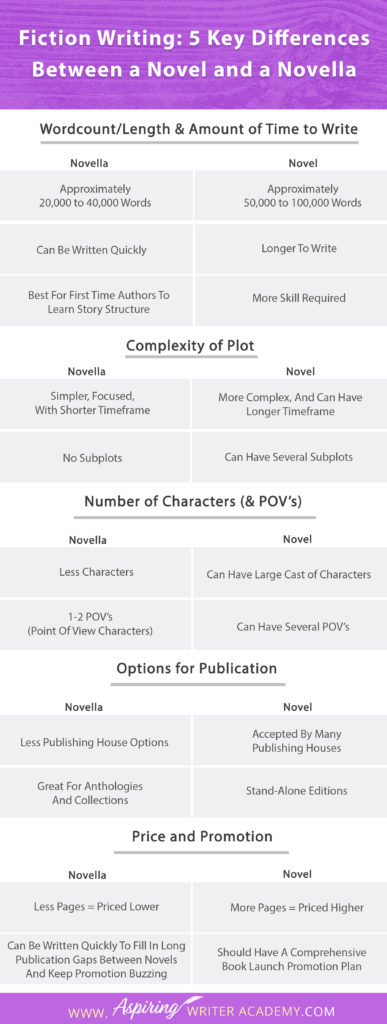
A novella is a work of fiction that sits squarely between a short story and a novel in length—typically 20,000 to 50,000 words. In the context of a series, it serves as a bridge, side‑quest, or deep dive that doesn’t require the full commitment of a novel but offers more depth than a single chapter or short story.
Because it’s shorter, a novella can focus on a single character’s backstory, explore a subplot that the main books only hint at, or experiment with a different tone without disrupting the overarching plot arc.
How It Differs From a Short Story
- Length. Short stories usually stay under 10,000 words; novellas stretch beyond that, giving room for more complex character development.
- Structure. A novella often contains multiple scenes and sub‑plots, whereas a short story tends to revolve around a single event or moment.
- Publishing Role. Publishers may release novellas as bonus material, e‑books, or limited‑edition prints, while short stories are often found in anthologies.
How It Differs From a Full‑Length Novel
- Pacing. Novellas move quickly but still allow for a clear beginning, middle, and end.
- Scope. They rarely introduce brand‑new world‑building elements that would require extensive explanation.
- Commitment. Readers can finish a novella in a single sitting, making it an attractive “quick‑read” option.
Why Authors Choose to Insert a Novella Into Their Series
For writers, a novella offers a flexible canvas. They can test new characters, experiment with narrative voice, or flesh out events that occurred off‑screen in the main novels. Because the length is manageable, authors can often write a novella between larger projects, keeping fans engaged without the pressure of a full manuscript.
Consider J.K. Rowling’s “Fantastic Beasts and Where to Find Them.” Though technically a companion book, its novella‑like length let her explore the wizarding world’s magical creatures without altering the main Harry Potter storyline. Similarly, Brandon Sanderson’s “The Emperor’s Soul” functions as a standalone novella set in the Cosmere, offering readers a fresh perspective on his universe while remaining accessible.
Benefits for Readers
From a reader’s standpoint, novellas in a series act like bonus tracks on a favorite album. They provide:
- Deeper immersion. Learning a side character’s motivations can make the main plot feel richer.
- Convenient pacing. A quick, satisfying story when you’re short on time.
- Expanded lore. Details about world‑building, magic systems, or historical events that would otherwise clutter the main narrative.
Because they’re often released digitally or as part of special editions, fans can access them without waiting for the next full‑length book.
Publishing Strategies and Formats
Publishers treat novellas strategically. They might bundle a novella with a hardcover release, offer it as a free e‑book to newsletter subscribers, or sell it as an inexpensive standalone title. This approach serves multiple purposes:
- Boosting sales during gaps between major releases.
- Rewarding loyal readers with exclusive content.
- Testing market response to potential new characters or settings.
In some cases, a novella can later be expanded into a full novel if the response is strong enough—a low‑risk way to gauge interest.
Typical Placement Within a Series
There’s no hard‑and‑fast rule about where a novella belongs, but you’ll often see it appear:
- Between major installments. For example, a novella released after Book 2 but before Book 3 can fill narrative gaps.
- As a prequel. Offering background that enriches the main story without altering its timeline.
- As a side‑story. Focusing on a secondary character’s journey that runs parallel to the main plot.
Authors usually indicate the recommended reading order, ensuring that the novella enhances rather than confuses the overall arc.
Potential Drawbacks
While novellas bring many advantages, they’re not without pitfalls. A poorly placed novella can feel like filler, disrupting momentum if it repeats information already covered in the main books. Additionally, if the novella introduces critical plot points but isn’t required reading, some fans may feel left out.
To avoid these issues, successful series treat the novella as optional yet rewarding—something that deepens the experience without making it mandatory for understanding the core story.
FAQ
Is a novella essential to follow the main storyline?
Usually not. Most novellas are designed as optional extras. They add layers to the world or characters, but the primary plot can be understood without them.
Can a novella be the start of a new series?
Yes. Authors sometimes use a novella as a pilot, testing audience interest before committing to a full series.
Do novellas count toward the total number of books in a series?
They’re typically counted separately, often listed as “Novella #1” or “Bonus Story.” Libraries and retailers may categorize them under the series but distinguish them from the main numbered titles.
How can I find novellas for my favorite series?
Check the author’s official website, newsletters, or the publisher’s announcements. Many are released as e‑books or included in special edition prints.