Understanding Technical Specifications: What They Really Mean
When a product sheet lists a technical specification, most people skim past the dense numbers, assuming they’re just jargon for engineers. In reality, those details are the bridge between a design concept and the finished item you’ll eventually use. Grasping what a technical specification really means can save you from costly misunderstandings, whether you’re buying a smartphone, commissioning a building, or evaluating software.
What Exactly Is a Technical Specification?
A technical specification—often shortened to “tech spec”—is a documented set of requirements that define the performance, dimensions, materials, and other measurable attributes of a product or system. Think of it as a recipe: it tells you exactly what ingredients (materials, components) are needed, the quantities (sizes, tolerances), and the steps (processes, testing) required to achieve the desired result.
Unlike marketing copy, which focuses on benefits and feelings, a tech spec is objective, measurable, and usually created early in the development cycle. It serves three main purposes:
- Clarity: Everyone—from designers to manufacturers—knows the exact targets.
- Compliance: It ensures the product meets regulatory or industry standards.
- Verification: It provides a benchmark for testing and quality control.
Core Elements Found in Most Technical Specifications
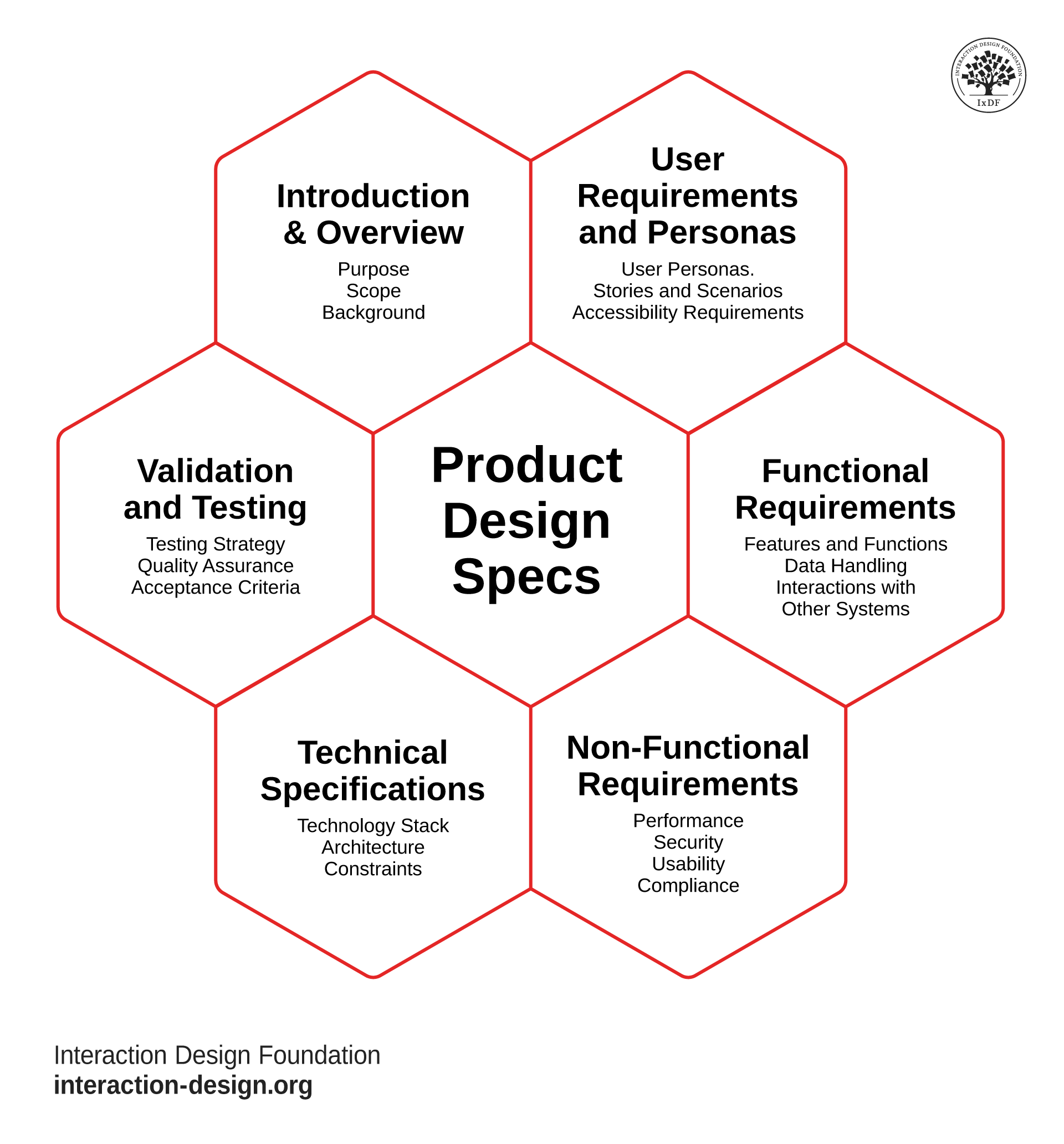
While the format can vary by industry, most specifications share a handful of common sections:
- Scope: Defines the boundaries of the document—what’s covered and what isn’t.
- Functional Requirements: Describes what the product must do (e.g., “support 5 Gbps data transfer”).
- Performance Metrics: Quantifiable targets such as speed, power consumption, or load capacity.
- Physical Characteristics: Dimensions, weight, material composition, and environmental tolerances.
- Testing Procedures: How compliance will be verified, including specific test methods and acceptance criteria.
- Regulatory References: Links to relevant standards (ISO, IEC, local building codes, etc.).
These sections work together like puzzle pieces; missing or vague pieces can lead to misinterpretations that ripple through the entire project.
Why Technical Specifications Matter for Different Audiences
For engineers, the spec is a roadmap that guides design decisions and material selection. For procurement teams, it’s a checklist to ensure vendors deliver exactly what’s required. And for end users, understanding key spec points helps determine whether a product truly fits the intended use.
Consider a simple example: a laptop advertised with a “high‑performance processor.” Without a spec stating the exact CPU model, clock speed, and thermal design power, you might end up with a device that feels sluggish under heavy workloads. The technical specification cuts through the hype, revealing whether the hardware meets your performance expectations.
How to Read a Technical Specification Effectively
Reading a tech spec can feel intimidating at first, but breaking it down into bite‑size steps makes the process manageable:
- Identify the scope—know what product version or configuration the spec applies to.
- Spot the critical metrics—focus on the parameters that matter most to your use case (e.g., battery life for mobile devices, load‑bearing capacity for construction).
- Check tolerances—notice any “±” values; they indicate allowable variation and can affect performance consistency.
- Cross‑reference standards—if the spec cites external standards, glance at those documents to verify compliance.
- Look for testing methods—understanding how the product was validated helps assess reliability.
By following these steps, you’ll be better equipped to ask the right follow‑up questions or flag potential gaps.
Common Pitfalls and How to Avoid Them
Even seasoned professionals can stumble over technical specifications. Here are a few recurring mistakes:
- Assuming “standard” means “acceptable.” A spec may list a component that meets an industry standard, yet that standard might be outdated for your specific application.
- Overlooking environmental conditions. Temperature, humidity, and vibration limits are often tucked away in a separate section; ignoring them can lead to premature failure.
- Misreading units. Mixing metric and imperial units, or confusing “W” (watts) with “Wh” (watt‑hours), can cause serious design errors.
- Neglecting version control. Specs evolve. Always verify that you’re looking at the latest revision, especially for long‑term projects.
When in doubt, ask for clarification. A brief email to the spec author can prevent costly re‑work down the line.
Real‑World Example: From Blueprint to Building
In construction, a technical specification for a concrete slab might include:
- Compressive strength: 30 MPa ± 5 % after 28 days.
- Mix design: 1 part cement, 2 parts sand, 4 parts aggregate, water‑cement ratio 0.45.
- Placement temperature: 10 °C–30 °C.
- Curing method: wet curing for 7 days.
These details tell the contractor exactly how to mix, pour, and treat the concrete. If any of these numbers are altered—say, using a lower compressive strength—the slab may crack under load, jeopardizing the whole structure.
Future Trends: Living Specifications and Digital Twins
As products become more complex, static PDFs are giving way to dynamic, “living” specifications hosted in cloud platforms. Such systems allow real‑time updates, version tracking, and integration with digital twins—virtual replicas that simulate how a product will behave under real‑world conditions.
In practice, this means engineers can run performance simulations directly from the spec, catching issues before physical prototypes are built. For buyers, it offers transparency: you can see exactly which version of a spec a vendor used to certify their product.
Bottom Line
Technical specifications are more than a collection of numbers; they are the language that aligns expectations, ensures safety, and drives quality. Whether you’re a developer, a buyer, or simply a curious consumer, learning to decode the key elements—scope, performance metrics, tolerances, and testing methods—will empower you to make smarter decisions and avoid hidden pitfalls.
Frequently Asked Questions
What’s the difference between a technical specification and a user manual?
A technical spec details how a product should be built and perform, while a user manual explains how to operate the finished product safely.
How often should technical specifications be reviewed?
Ideally, each time a design change occurs or a new regulatory requirement is introduced. In fast‑moving industries, a quarterly review can keep documentation current.
Can I rely on a spec that references an older industry standard?
Only if that standard still meets your performance and safety needs. Otherwise, you may need to supplement the spec with newer requirements.
Do technical specifications include cost information?
Typically no. Cost estimates are separate, though the spec can influence pricing by defining material grades and performance levels.