Understanding Snow Leopard Vocalizations: A Complete Guide
When you hear a distant echo across the Himalayas, it might be a snow leopard communicating with its kin. Their sounds—ranging from low growls to high-pitched wails—carry more meaning than most people realize. This guide breaks down the most common snow leopard sounds, why they make them, and how you can tell one call from another.
Why Snow Leopards Use Sound
Like many solitary big cats, snow leopards rely on vocal cues to bridge the gaps left by their elusive nature. A well‑timed roar can stake a claim on a ridge, while a soft chirp may signal a mother’s presence to a curious cub. These noises also help reduce physical confrontations; a warning hiss can keep rivals at bay without a fight.
Common Snow Leopard Calls
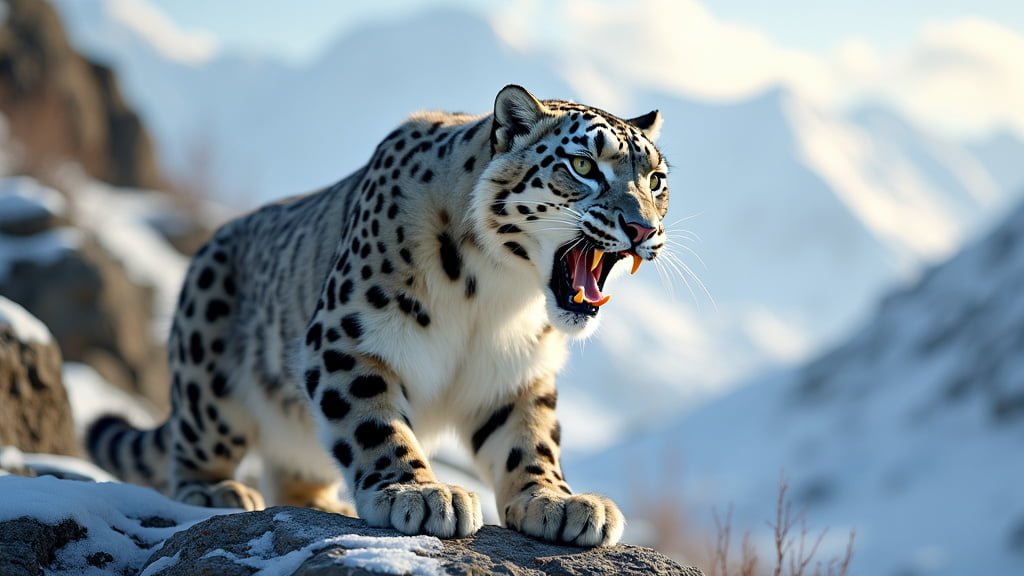
- Roar – A deep, resonant bellow that can travel several kilometers. Usually heard during the mating season or when a male defends his territory.
- Growl – A short, guttural sound used in close‑quarters encounters, such as when a predator or intruder approaches a den.
- Chuff – A friendly, low‑frequency puff that resembles a soft purr. Adults often exchange chuffs when greeting each other or acknowledging a safe feeding spot.
- Meow/Kitten Call – High‑pitched and plaintive, this call helps cubs locate their mother after a brief separation.
- Wail – An eerie, prolonged cry that can indicate distress, injury, or a mother calling for lost offspring.
- Hiss – A sharp, defensive exhale used when a snow leopard feels threatened, especially near a carcass or a den.
How to Identify Each Sound in the Wild
Distinguishing between calls often comes down to context and acoustic qualities. Roars are low and reverberant, best heard at night when wind is calm. Growls are more abrupt and usually accompanied by a visual cue—such as a raised tail. Chuffs are subtle; you might feel the vibration through the ground rather than hear a distinct tone.
Cubs’ meows are unmistakable: they’re short, high‑frequency, and repeat in quick succession. In contrast, a wail stretches out for several seconds, sometimes overlapping with a faint echo off surrounding cliffs. Hisses, on the other hand, are brief and sharp, often followed by a sudden pause as the animal assesses the threat.
Seasonal Variations in Vocal Activity
Snow leopards are most vocal during the breeding months of January through March. Males will roar to attract females and to warn off competitors. Females, meanwhile, may emit softer chirps to signal receptivity. Outside the breeding window, vocalizations drop dramatically, with only occasional growls or hisses recorded during territorial patrols.
The Role of Habitat in Sound Propagation
High‑altitude terrain affects how far a call carries. Rocky outcrops can reflect low frequencies, amplifying a roar’s reach, while dense scrub muffles higher pitches like a kitten’s meow. Researchers often position microphones near known travel corridors to capture the clearest recordings.
Human Noise and Its Impact
Increasing tourism and infrastructure development have introduced a new set of acoustic challenges. Persistent engine hums or construction noise can mask a mother’s call, leading to cub separation. Studies suggest that snow leopards may shift their vocal timing—opting for quieter pre‑dawn hours—to avoid interference, though data is still emerging.
Tips for Amateur Observers
- Carry a directional microphone with wind‑shield; it reduces ambient noise and captures low‑frequency roars more faithfully.
- Learn the typical time windows: early mornings and late evenings are prime for vocal activity.
- Note the surrounding environment—rocky slopes versus vegetated valleys—as it influences sound clarity.
- When you hear a wail, stay silent and keep distance; the animal may be injured or stressed.
Frequently Asked Questions
Do snow leopards roar like other big cats?
Yes, but their roars are generally deeper and less frequent than those of lions or tigers. The thin mountain air helps the low frequencies travel farther, which is advantageous for marking large territories.
Can I train a snow leopard to respond to specific sounds?
In captivity, some individuals learn to associate certain tones with feeding, but wild snow leopards remain largely instinctual. Attempting to train them in the wild is both impractical and potentially harmful.
How far can a snow leopard’s call be heard?
Under optimal conditions—calm wind, open terrain—a powerful roar can travel up to three kilometers. Smaller sounds like chuffs usually only cover a few hundred meters.
Are there any apps that help identify snow leopard vocalizations?
Several wildlife‑monitoring platforms now incorporate acoustic libraries, allowing users to compare field recordings against verified samples. These tools are valuable for researchers but may require a subscription for full access.