Understanding RT News Network: Who They Are and What They Cover
When you hear the name RT News Network, you might wonder whether it’s just another cable channel or something more specific. In reality, RT—originally standing for Russia Today—is a global news outlet that positions itself as an alternative to Western mainstream media. Its programming reaches dozens of countries, streams online, and offers content in several languages, from English to Arabic. Below we unpack the organization’s origins, its editorial approach, and how you can actually tune in.
The Origins and Mission of RT
RT launched in 2005 under a Russian government decree that aimed to give Moscow a voice on the international stage. The founders described the network’s purpose as “providing a different perspective on global events.” While the channel is funded by the Russian state, its staff includes journalists from a range of nationalities, which the outlet claims adds to its credibility. Critics, however, argue that the funding structure inevitably shapes editorial choices, especially when coverage touches on geopolitics.
Over the years, RT has expanded from a single Russian-language service to a suite of channels: RT English, RT Spanish, RT Arabic, and RT French. Each version tailors its content to regional audiences, but the core mission remains consistent—challenging what it calls “Western media bias” and presenting stories that mainstream outlets might overlook.
How RT News Network Structures Its Content
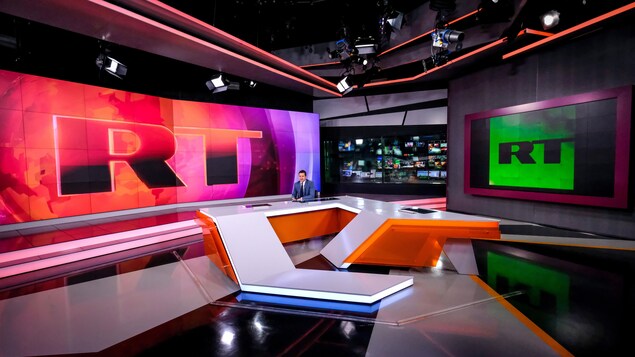
RT’s schedule is a mix of live news bulletins, long‑form documentaries, and talk‑show formats. The network typically divides its programming into three pillars:
- Hard news: Hour‑by‑hour updates on breaking stories, often accompanied by on‑the‑ground reporting from conflict zones.
- Feature pieces: In‑depth looks at social issues, scientific developments, or cultural trends, sometimes presented as investigative reports.
- Opinion and analysis: Hosted by pundits and former officials who discuss policy, geopolitics, or economic trends from a perspective that diverges from Western narratives.
Because the network operates in multiple languages, certain shows appear only on specific regional feeds. For example, “CrossTalk,” an English‑language debate program, frequently features Western guests, while “Кодекс” (The Code) targets Russian viewers with a focus on domestic politics.
Funding, Ownership, and Perceived Bias
The Russian government provides the bulk of RT’s budget through the state-owned media conglomerate, Rossiya Segodnya. This financial link fuels ongoing debates about editorial independence. Proponents argue that state funding doesn’t automatically equate to propaganda, pointing to the presence of dissenting voices on some shows. Detractors highlight instances where RT has echoed official Kremlin talking points, especially during elections or international crises.
In practice, the network’s bias can be subtle. Stories that cast the West in a negative light may receive more airtime, while Russian governmental successes are often highlighted. At the same time, RT does sometimes break stories that other outlets miss, such as early reports on certain environmental disasters.
Where and How to Watch RT News Network
If you’re curious to see RT’s programming firsthand, there are several options:
- Traditional TV: In many European and African countries, RT is available via satellite or cable packages. Check your local provider’s channel list for “RT” or “RT International.”
- Online streaming: The network’s website offers live streams for each language. Additionally, you can find RT on platforms like YouTube, though some regions have restricted access due to policy decisions.
- Mobile apps: Both iOS and Android stores host official RT apps that deliver live video and on‑demand clips.
- Social media: Follow RT’s official pages on Twitter, Facebook, and Instagram for short news bites and highlights.
Note that in a handful of countries, including the United States and some EU members, regulators have placed restrictions on RT’s broadcast rights, citing concerns over misinformation. Nevertheless, the internet remains a viable avenue for most viewers.
Criticism and Controversy
RT’s most vocal critics point to several high‑profile incidents where the network’s reporting aligned closely with Russian foreign policy objectives. During the 2016 U.S. election, for instance, RT aired segments that amplified conspiracy theories about the electoral process. Similar patterns emerged during the annexation of Crimea, with the network promoting narratives that supported Russia’s actions.
In response, RT often emphasizes its role as a “counter‑narrative” platform, arguing that Western outlets also have hidden agendas. The network’s defenders contend that labeling it simply as “propaganda” overlooks the complexity of global media ecosystems, where all major players have biases.
What Audiences Typically Seek from RT
Despite the controversies, RT maintains a dedicated viewership. Some people turn to the channel because they feel mainstream outlets ignore certain topics, such as the impact of sanctions on ordinary citizens or dissenting opinions within Russia. Others appreciate the network’s willingness to interview controversial figures who might be shunned elsewhere.
That said, viewers should approach any source—RT included—with a critical eye. Cross‑checking stories with multiple outlets helps separate factual reporting from editorial spin.
FAQs About RT News Network
Is RT News Network a state‑run media outlet?
Yes, RT is funded primarily by the Russian government through the state media organization Rossiya Segodnya, which influences its editorial direction.
Can I watch RT for free?
Absolutely. The network streams live for free on its official website and on platforms like YouTube, although access may be limited in some regions.
What languages does RT broadcast in?
RT produces content in English, Spanish, Arabic, French, German, and, of course, Russian, tailoring programs to each linguistic audience.
How does RT differ from other international news channels?
RT positions itself as a counterbalance to Western media, often focusing on stories that challenge dominant narratives and featuring perspectives that are less common in outlets like BBC or CNN.