Understanding Right Shoulder Impingement: Signs, Reasons, and Relief
What Is Right Shoulder Impingement?
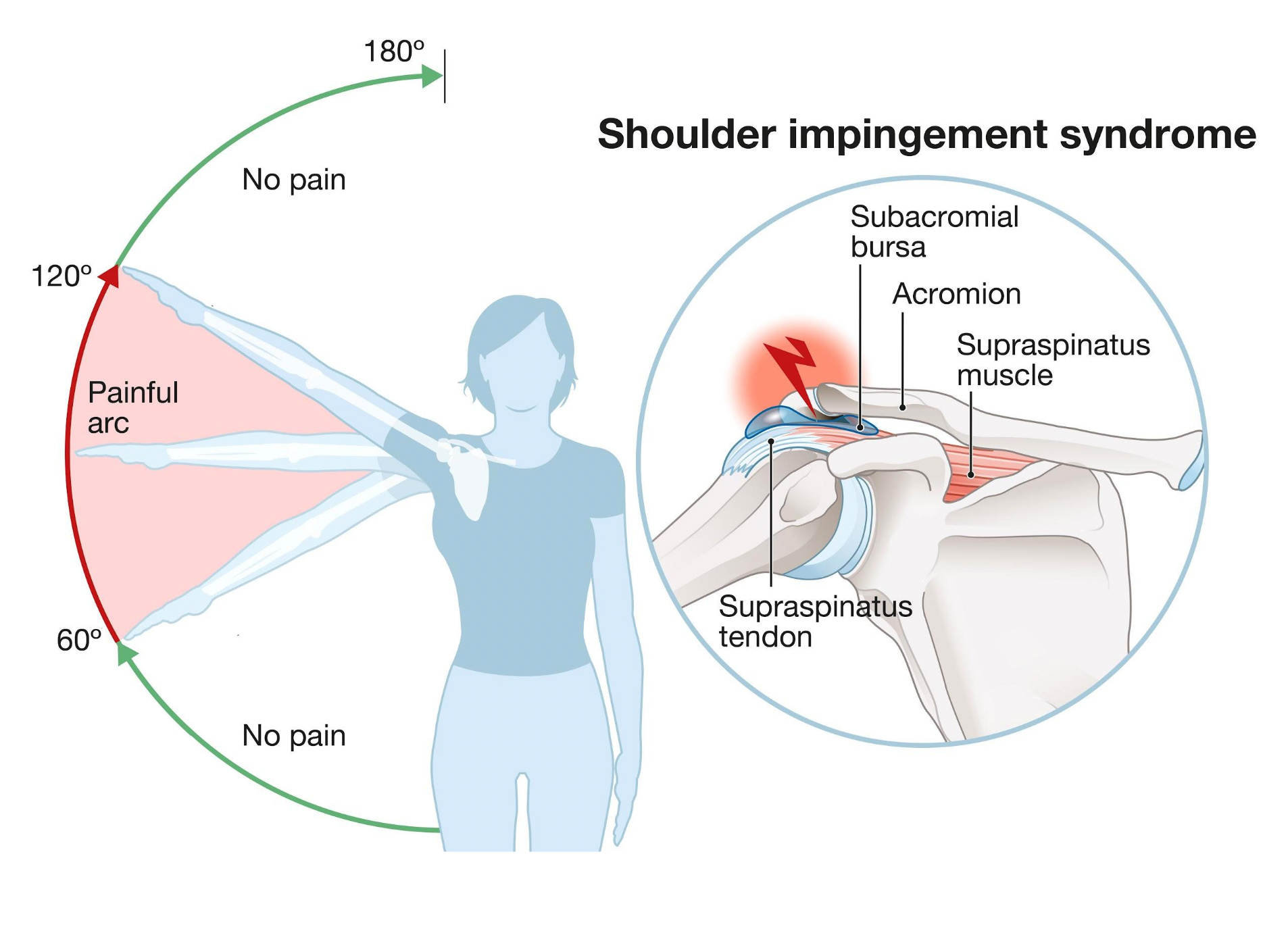
Right shoulder impingement occurs when the rotator‑cuff tendons or the subacromial bursa are compressed between the humeral head and the acromion. The space that normally accommodates these structures narrows, often during overhead activities, leading to irritation and inflammation. Although the condition can affect either shoulder, the right side is commonly reported among people who dominate with their right arm in sports or work tasks.
Typical Symptoms to Watch For
Most sufferers notice a gradual onset rather than a sudden injury. Common clues include:
- A dull ache that worsens when raising the arm above shoulder level.
- Sharp pain when reaching behind the back or lifting objects.
- Feeling of stiffness, especially after periods of rest.
- Weakness when trying to rotate the arm outward (external rotation).
- A clicking or grinding sensation during certain movements.
These symptoms often intensify after repetitive motions, such as throwing a ball, painting a ceiling, or using a computer mouse for prolonged periods.
Underlying Causes and Risk Factors
There isn’t a single culprit; rather, a combination of anatomical, mechanical, and lifestyle factors tends to set the stage.
Structural issues like a naturally curved or hooked acromion can reduce the subacromial space. Some people also have a thickened coracoacromial ligament that adds pressure on the tendons.
Repetitive overhead activity is a classic trigger. Athletes in baseball, swimming, or volleyball repeatedly lift the arm above the head, gradually irritating the tissues.
Age‑related changes play a role, too. Tendons become less elastic and more prone to micro‑tears after the age of 40, making the shoulder more vulnerable to impingement.
Additional risk enhancers include poor posture (especially rounded shoulders), weak scapular stabilizers, and sudden increases in training intensity without adequate warm‑up.
How Doctors Diagnose the Condition
Diagnosis begins with a detailed history and physical exam. Clinicians often ask patients to perform specific movements—like the “Neer” or “Hawkins” test—to reproduce pain. These maneuvers help differentiate impingement from other shoulder problems such as labral tears or arthritis.
Imaging isn’t always required, but an X‑ray can reveal bony abnormalities, while ultrasound or MRI provides a clearer view of soft‑tissue inflammation and possible tendon tears. In ambiguous cases, a diagnostic injection of a local anesthetic may be used; if pain subsides, the source is likely within the subacromial space.
Conservative Treatment Options
Most people improve with non‑surgical measures, especially when the condition is caught early.
- Rest and activity modification – avoiding painful overhead motions for a few weeks often reduces inflammation.
- Ice therapy – applying a cold pack for 15–20 minutes, several times a day, can curb swelling.
- Physical therapy – a structured program focuses on stretching the posterior capsule, strengthening the rotator cuff and scapular stabilizers, and teaching proper biomechanics.
- Non‑steroidal anti‑inflammatory drugs (NSAIDs) – short‑term use helps manage pain, though they don’t address the underlying mechanics.
- Corticosteroid injection – for persistent pain, a single injection into the subacromial space may provide weeks of relief, giving the patient a window to engage in rehab.
Adherence to the exercise regimen is crucial; many patients report a noticeable drop in pain after four to six weeks of targeted therapy.
When Surgery Becomes an Option
If symptoms linger beyond three to six months despite diligent rehab, or if imaging shows a significant rotator‑cuff tear, surgeons may discuss arthroscopic decompression. The procedure typically involves shaving away excess bone on the acromion (subacromial decompression) and removing inflamed bursal tissue. Recovery includes a brief immobilization period followed by a graduated physical‑therapy protocol.
Outcomes are generally favorable, with most patients regaining functional range of motion within six months. However, surgery is not a guarantee; preserving shoulder mechanics through ongoing exercise remains essential even after the operation.
Prevention Tips for the Long Run
Preventing recurrence is often a matter of habit. Consider these practical steps:
- Maintain good posture—especially when sitting at a desk—to keep the scapula in a neutral position.
- Incorporate rotator‑cuff strengthening exercises (e.g., external rotations with a resistance band) into weekly workouts.
- Warm up thoroughly before any overhead activity; dynamic stretches for the shoulder and thoracic spine are especially helpful.
- Gradually increase training intensity rather than making abrupt jumps in load or volume.
- Use ergonomic tools—such as a mouse positioned to avoid excessive reaching—to limit strain during daily tasks.
Frequently Asked Questions
Can I still lift weights with right shoulder impingement?
Light to moderate resistance work is usually fine if it doesn’t provoke pain. Focus on low‑weight, high‑repetition movements that keep the shoulder in a safe range of motion, and avoid heavy overhead presses until cleared by a therapist.
Is a popping sound in the shoulder a sign of serious damage?
Occasional clicking isn’t automatically alarming, but if it’s accompanied by pain or a loss of strength, it may indicate the tendons are rubbing against bony structures—a hallmark of impingement.
How long does it take to feel better after a corticosteroid shot?
Most patients notice relief within a few days, lasting anywhere from a few weeks to several months, depending on the underlying inflammation.
Will my shoulder ever return to full, pain‑free function?
With proper rehab and attention to movement patterns, many individuals regain near‑normal strength and range. Persistent issues often stem from neglecting scapular control or returning to heavy activity too quickly.