Understanding Quattro All‑Wheel Drive: A Complete Guide
When you hear the name Quattro, most drivers instantly picture a Volkswagen or Audi cruising confidently on a slick road. That confidence comes from the brand’s signature all‑wheel‑drive system, engineered to distribute power to every wheel when it matters most. This guide walks you through the mechanics, benefits, and upkeep of Quattro All‑Wheel Drive, so you can decide if it’s right for your daily commute or weekend adventure.
What Makes Quattro Different?
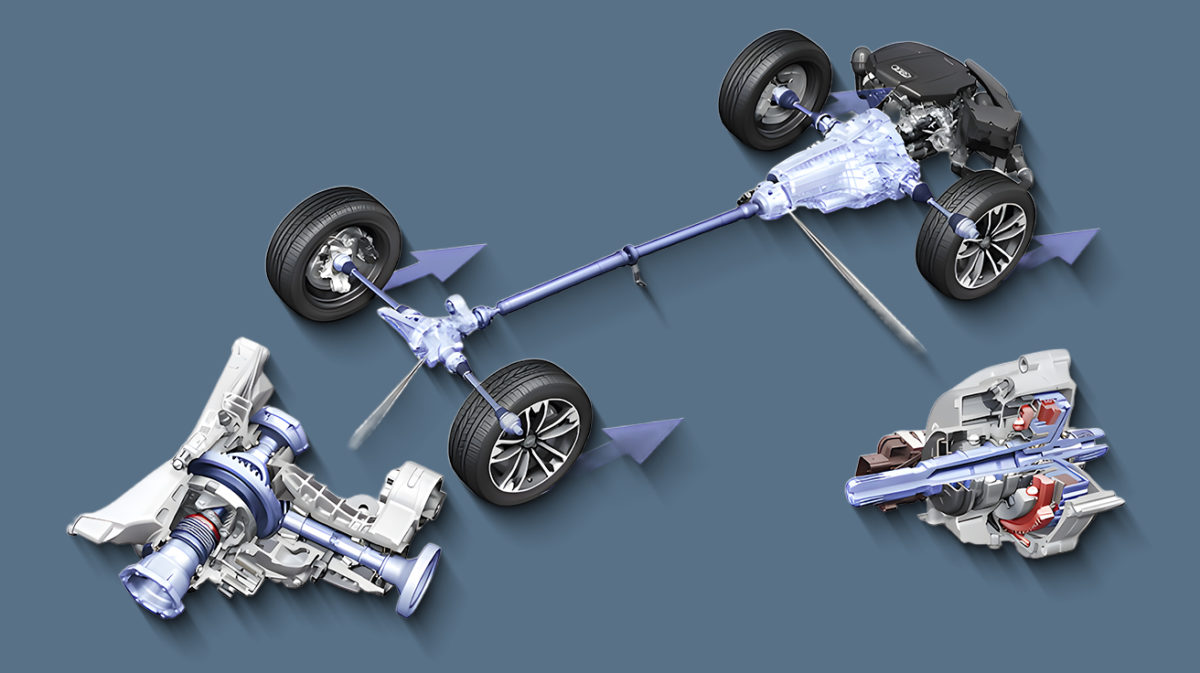
At its core, Quattro is a full‑time all‑wheel‑drive system that constantly monitors wheel speed, steering angle, and throttle input. When the front wheels begin to lose traction, a central differential automatically sends torque to the rear axle, often in a 40/60 front‑to‑rear split. Unlike many “part‑time” systems that engage only when a sensor detects slip, Quattro stays active, providing a seamless blend of stability and performance.
How the Quattro System Works
The heart of Quattro is a Torsen (torque‑sensing) differential, though newer models use a combination of mechanical and electronic controls. The Torsen unit senses which axle needs more grip and can shift torque up to 70% to the rear wheels under hard acceleration. In electric‑assisted versions, an additional motor on the rear axle can boost torque instantly, delivering near‑instant torque vectoring.
Key Components
- Center Differential – Balances power between front and rear axles.
- Front and Rear Differentials – Distribute torque to left and right wheels, preventing wheel spin.
- Electronic Control Unit (ECU) – Interprets sensor data and fine‑tunes torque split in real time.
Benefits of Quattro in Everyday Driving
For most drivers, the biggest advantage is confidence in low‑traction conditions. Rain‑slicked highways, gravel backroads, and light snow all become less intimidating when power is automatically shared across all four wheels. Additionally, Quattro improves cornering stability, allowing the car to maintain a tighter line without sacrificing grip.
Performance enthusiasts also appreciate the system’s ability to deliver power quickly to the rear wheels, giving a subtle rear‑biased feel that enhances acceleration. Even on dry pavement, the constant torque distribution reduces understeer, making the vehicle feel more balanced during spirited driving.
Quattro Evolution: From Mechanical to Hybrid
The original Quattro debuted in 1980 on the Audi Quattro rally car, featuring a purely mechanical Torsen center differential. Over the decades, Audi refined the system, adding electronic clutch packs in the 1990s to improve fuel efficiency during cruising. Today’s e‑Quattro combines a traditional gasoline engine with an electric rear‑axle motor, offering up to 50 kW of extra torque while keeping emissions low.
Each generation reflects changing market demands: early models prioritized raw grip for rallying, while modern iterations balance performance with efficiency, often integrating regenerative braking to recharge the battery during deceleration.
Maintaining Your Quattro System
Proper maintenance ensures that Quattro continues to perform at its best. Because the system relies on several differentials and a complex set of seals, fluid changes are especially important. Most manufacturers recommend replacing the center differential fluid every 40,000–60,000 km, but check your owner’s manual for exact intervals.
Here’s a quick checklist to keep your Quattro healthy:
- Inspect differential fluid levels and replace according to service schedule.
- Rotate tires regularly to avoid uneven wear, which can affect the system’s torque distribution.
- Listen for unusual noises from the rear axle, such as whining or clunking, which may signal wear.
- Keep the brake system in top shape; the rear brakes work closely with the drivetrain to manage torque.
Common Misconceptions About Quattro
Many drivers assume that Quattro makes a vehicle invincible in snow. While it certainly improves traction, it cannot overcome the laws of physics—deep snow or ice still demand cautious driving. Another myth is that Quattro always reduces fuel economy; modern versions actually employ clutch‑based disengagement when full torque isn’t needed, minimizing parasitic losses.
Finally, some owners worry that the system is overly complex and prone to failure. In reality, Quattro’s mechanical foundations are robust, and most issues stem from neglected fluid changes or worn tires rather than inherent design flaws.
Choosing a Quattro‑Equipped Vehicle
If you’re in the market for a car with all‑wheel drive, consider how you’ll use it. Quattro shines in regions with variable weather, but it also adds weight and cost compared to front‑wheel‑drive alternatives. Test drive both a Quattro sedan and a comparable front‑wheel model on the same road to feel the difference in stability and cornering.
Pay attention to the vehicle’s overall drivetrain layout: some models pair Quattro with a longitudinal engine, while others use a transverse setup. The former often yields a more rear‑biased feel, which can be desirable for drivers who enjoy a sportier driving experience.
Real‑World Scenarios: When Quattro Helps
Imagine navigating a winding mountain pass after a rainstorm. The front wheels may lose grip on the inside of a curve, but the rear axle instantly compensates, keeping the car planted. On a suburban street covered in early‑season frost, a sudden acceleration from a stop won’t result in a spin, thanks to the immediate torque transfer to the wheels with the most grip.
Even city dwellers benefit: during a sudden lane change in heavy traffic, Quattro’s ability to balance torque reduces the chance of a wheel slipping on a wet surface, making lane changes smoother and safer.
Future of Quattro: Electrification and Beyond
The next wave of Quattro will likely see greater electrification, with dual‑motor setups delivering torque to each axle independently. This architecture not only boosts performance but also opens the door to advanced torque vectoring, where each wheel can receive a different amount of power for unparalleled handling. As emissions standards tighten, hybrid and fully electric Quattro models will become more common, offering the classic grip with a greener footprint.
Frequently Asked Questions
Does Quattro improve fuel economy?
Modern Quattro systems use clutch packs that disengage the rear axle when extra traction isn’t needed, helping to preserve fuel. While there is a slight penalty compared to front‑wheel‑drive, it’s generally modest.
Can I install Quattro on a non‑Audi vehicle?
Quattro is a proprietary system, so retrofitting it to another make is impractical and costly. Instead, look for other manufacturers’ all‑wheel‑drive solutions that are designed for your specific vehicle.
How often should I change the differential fluid?
Most Audi recommendations call for a fluid change every 40,000–60,000 km, but check your owner’s manual. Frequent off‑road use may warrant more regular service.
Is Quattro suitable for high‑performance driving?
Absolutely. The system’s ability to shift torque quickly enhances acceleration and cornering, making it a favorite among enthusiasts who want both everyday usability and track‑day capability.