Understanding Homelessness in Manila: An In‑Depth Look
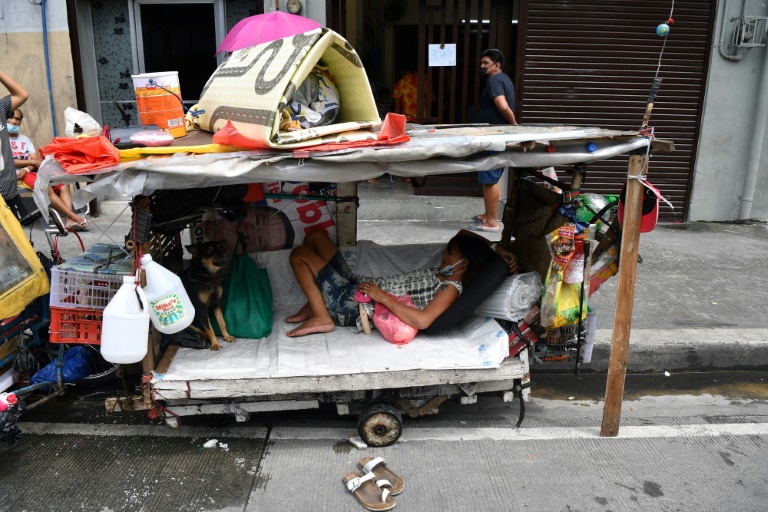
Homelessness in Manila is more than a statistic; it’s a daily reality for thousands who navigate the city’s bustling streets without a place to call home. The problem is rooted in a mix of rapid urbanization, limited affordable housing, and social safety‑net gaps that have widened over the past decade. While the numbers shift with each census, the human stories behind the figures remain strikingly consistent—people coping with loss, migration, and systemic neglect.
Why Homelessness Persists in Manila
One major driver is the soaring cost of housing. Property values in Metro Manila have risen faster than average incomes, leaving low‑wage earners scrambling for shelter that fits their budget. When landlords raise rents, many families are forced to move from formal apartments to informal settlements, or even onto the streets.
Compounding the issue is the informal sector’s vulnerability. Workers in construction, domestic service, and street vending often lack formal contracts, making it difficult to claim employment‑related benefits. A sudden job loss can instantly translate into eviction, especially for those who rent single‑room units without security deposits.
Natural disasters also play a hidden role. Typhoons and floods routinely displace communities living in low‑lying districts. While emergency shelters are set up temporarily, many residents find themselves without a permanent roof once relief efforts end.
Who Is Affected and How
The demographic profile is surprisingly diverse. Older adults who have exhausted savings, single parents juggling multiple jobs, and rural migrants seeking better opportunities all converge in Manila’s streets. Youth constitute a growing segment, with some estimates suggesting that a notable portion of street children are actually runaway adolescents fleeing abusive homes.
Gender dynamics add another layer. Women experiencing homelessness often face heightened risks of exploitation and health complications. Their pathways into homelessness may involve domestic violence, which pushes them out of family homes and leaves them with limited options.
Health outcomes reflect the harsh living conditions. Lack of access to clean water and sanitation increases the prevalence of respiratory infections, skin diseases, and chronic ailments. Mental health issues, such as depression and anxiety, are common but rarely addressed due to stigma and scarce services.
Government Policies and Their Limits
The national government has launched several housing initiatives, most notably the “Housing for All” program, which aims to construct low‑cost units for low‑income families. While the intent is commendable, implementation hurdles—bureaucratic delays, land‑acquisition disputes, and insufficient funding—slow progress considerably.
Local authorities in Manila have introduced ordinances that criminalize sleeping in public spaces. Critics argue that such measures merely push the problem out of sight rather than solving it, and they often result in fines or arrests that further strain an already vulnerable population.
Social welfare benefits exist on paper, but the application process is complex and time‑consuming. Many homeless individuals lack the required identification documents, making it nearly impossible to qualify for cash assistance or subsidized housing.
Role of NGOs and Community Initiatives
Non‑governmental organizations fill critical gaps left by public services. Groups like the Bahay Tulungan Foundation operate drop‑in centers that provide meals, medical check‑ups, and counseling. Their volunteers also run skill‑building workshops aimed at improving employability.
Community‑driven projects have emerged in neighborhoods where residents collectively build “mini‑shelters” using reclaimed materials. Though modest, these structures offer a degree of safety and dignity that street sleeping cannot provide.
Micro‑finance schemes targeting homeless entrepreneurs have shown promise. By offering small, low‑interest loans, some NGOs enable individuals to start street vending stalls or small repair services, creating a modest but steady income stream.
Pathways Toward Sustainable Solutions
Addressing homelessness in Manila requires a multi‑pronged strategy. First, expanding affordable housing must be paired with transparent land‑use policies that prevent speculative price hikes. Public‑private partnerships can accelerate construction while ensuring that units remain genuinely low‑cost.
Second, strengthening social protection is essential. Simplifying the documentation process for welfare benefits, and integrating mobile registration units that reach street populations, would remove a major barrier to assistance.
Third, preventive measures should focus on at‑risk groups. Early intervention programs for families facing domestic violence, and targeted job training for informal workers, can reduce the likelihood of people slipping into homelessness.
Finally, fostering community participation can transform attitudes. When neighborhoods actively engage in creating safe spaces and supporting local shelters, the stigma surrounding homelessness begins to erode, paving the way for more inclusive urban planning.
Frequently Asked Questions
- What are the main causes of homelessness in Manila? Rapid housing cost increases, lack of secure employment, natural disasters, and insufficient social safety nets are the primary factors.
- How does the government currently address the issue? Through housing programs, local ordinances, and welfare benefits, though many initiatives face implementation challenges.
- Can NGOs make a lasting impact? Yes; by providing immediate relief, skill training, and micro‑finance, NGOs complement governmental efforts and often reach those missed by official programs.
- What can ordinary citizens do to help? Supporting local shelters, volunteering for skill‑building workshops, and advocating for policy reforms are practical ways to contribute.