Understanding Facial Scabies: Causes, Symptoms, and Treatment
What Makes Scabies Appear on the Face?
Scabies is caused by a tiny mite called Sarcoptes scabiei that burrows just beneath the skin. While the classic picture shows it thriving between the fingers or on the torso, the mites can migrate to any hair‑bearing area—including the face. This tends to happen when the infestation is heavy, when personal hygiene is compromised, or when a person’s immune system is less able to keep the mites in check. Children, the elderly, and those with skin conditions such as eczema are especially prone to facial involvement.
Spotting the Signs: Symptoms of Facial Scabies
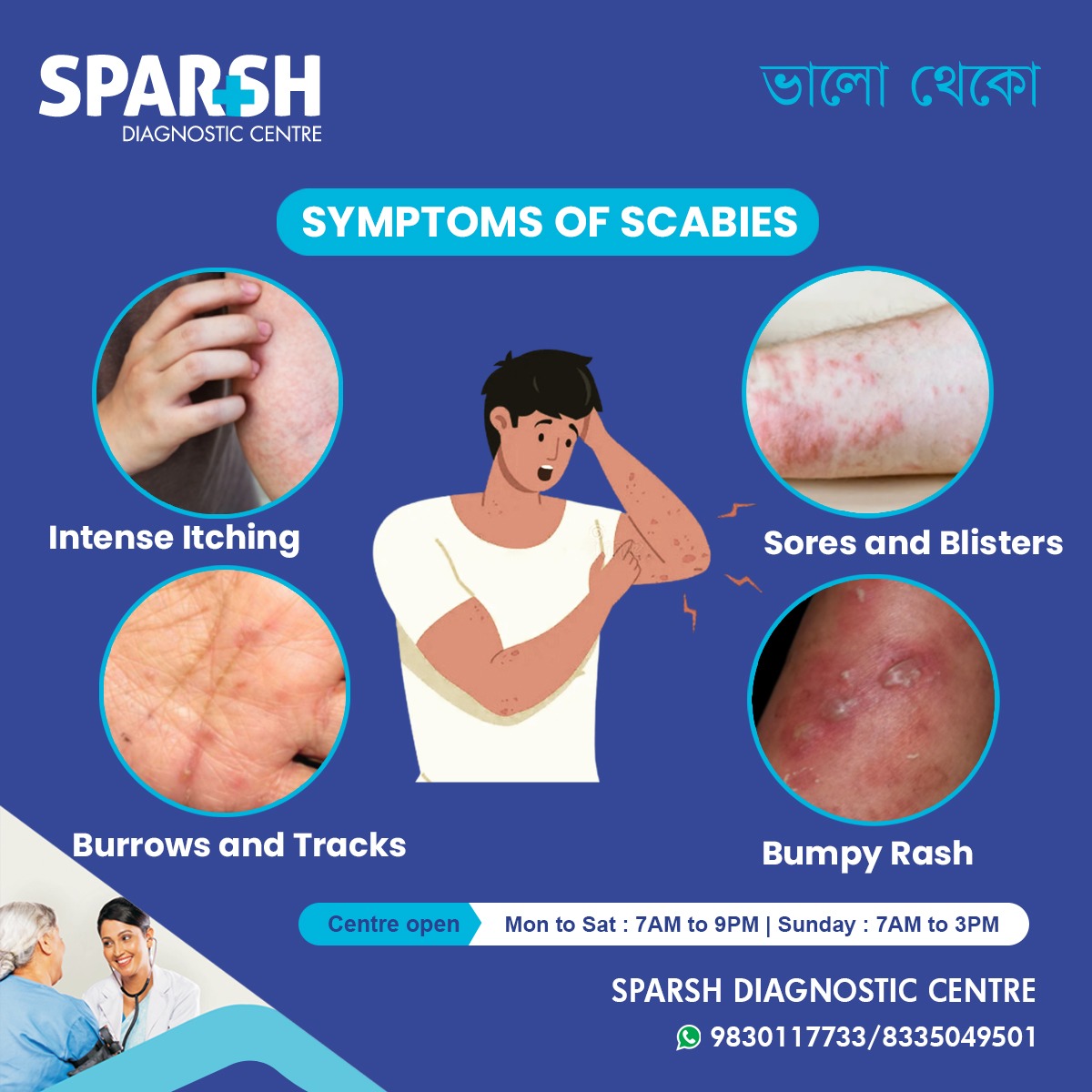
Facial scabies often masquerades as other skin problems, which is why a careful look at the symptoms matters. Common clues include:
- Intense itching that worsens at night.
- Small, raised bumps (papules) or tiny blisters that may form a rash.
- Thin, grayish‑white lines—called burrows—running along the skin surface.
- Redness or swelling around the eyes, cheeks, and forehead.
Because the rash can be patchy, a single patch of itching may be the only visible hint. In some cases, secondary bacterial infection can develop if scratching damages the skin, leading to crusted sores or pus.
How Doctors Confirm the Diagnosis
When you suspect facial scabies, a dermatologist will typically start with a visual exam. They might use a dermatoscope to magnify the burrows or scrape a tiny skin sample for microscopic analysis. The presence of a mite, its eggs, or fecal pellets under a microscope confirms the diagnosis. In practice, many clinicians treat based on the classic pattern of itching and rash, especially if there’s a known exposure to someone else with scabies.
Standard Treatment Options
The goal of treatment is to kill the mites and relieve itching. The most widely recommended approach involves prescription‑strength topical creams:
- Permethrin 5% cream—applied from the neck down and carefully to the face, left on for about 8‑12 hours, then washed off. A second application one week later helps catch any newly hatched mites.
- Benzyl benzoate—often used in tropical regions; it can be irritating, so a lower concentration is advisable for facial skin.
- Crotamiton (Eurax)—a milder alternative that works for people who can’t tolerate permethrin.
Oral ivermectin is an option for severe or crusted scabies, but doctors usually reserve it for cases where topical therapy fails or when the patient can’t apply creams properly.
Managing Itching and Preventing Re‑infection
Even after the mites are eradicated, itching may linger for several days. Over‑the‑counter antihistamines or low‑dose topical steroids can soothe the skin. It’s also crucial to treat everyone in the household, even if they show no symptoms, because the mites spread through close contact and shared items like towels.
Wash all bedding, clothing, and towels in hot water (at least 50 °C/122 °F) and dry them on a high‑heat setting. Items that can’t be laundered should be sealed in a plastic bag for a week—long enough for the mites to die without a host.
When to Seek Professional Help
If the rash spreads rapidly, involves the eyes, or you notice signs of infection such as pus, fever, or worsening redness, contact a healthcare provider promptly. Young children may develop scabies on the scalp and face more often, and in these cases, pediatric dosing and gentle formulations become essential.
Key Takeaways for Everyday Life
Facial scabies isn’t a sign of poor hygiene; it’s a contagious skin infestation that anyone can catch. Prompt recognition of the itching, burrows, and rash, followed by appropriate topical therapy, usually clears the problem within two weeks. Keeping personal items separate, laundering regularly, and treating close contacts are the simplest ways to keep the mites from returning.
Frequently Asked Questions
Can scabies on the face cause permanent scarring?
Usually not, but aggressive scratching can lead to secondary infections that may leave marks. Early treatment reduces this risk.
Is it safe to use permethrin on a child’s face?
Yes, when applied as directed. Pediatric formulations are available, and doctors often recommend a short exposure time to minimize irritation.
How long does it take for itching to stop after treatment?
Itching often diminishes within a few days, but residual sensations can linger for up to a week. If it persists longer, a follow‑up visit is advisable.
Do pets get scabies from humans?
The mite that infests humans is species‑specific, so pets don’t catch human scabies. However, animals have their own variety of mange that requires separate treatment.