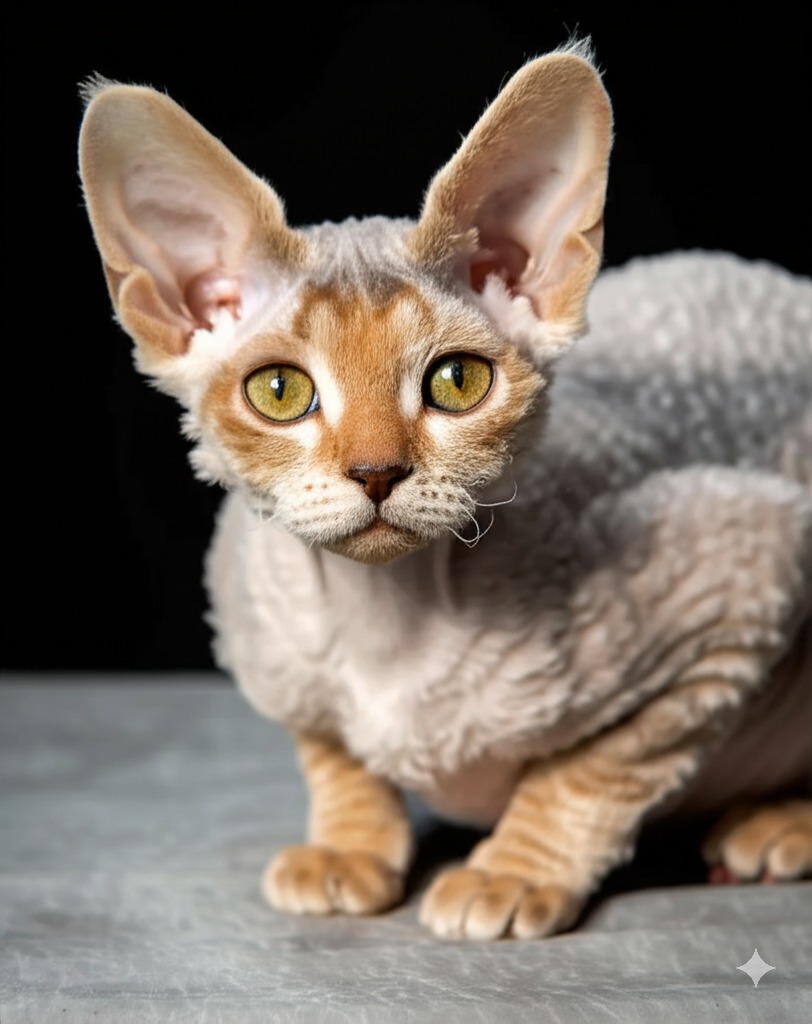
Understanding Devon Rex Health Issues: Key Facts
If you’re considering adding a Devon Rex to your family, it’s worth knowing the health quirks that often accompany this quirky, wavy‑haired cat. While the breed’s playful nature and affectionate personality make it a popular choice, Devon Rex health issues can sometimes surprise owners who aren’t prepared. From heart concerns to skin sensitivities, the range of potential problems is surprisingly broad. Below, we’ll walk through the most common conditions, why they happen, and what proactive steps you can take.
Common Health Concerns for Devon Rex Cats
Veterinarians frequently point to a handful of ailments that pop up more often in Devon Rex cats than in the average feline. The most notable include:
- Hypertrophic cardiomyopathy (HCM) – a thickening of the heart muscle that can lead to reduced cardiac output. While not exclusive to the breed, Devon Rex cats appear to have a slightly higher incidence.
- Hereditary myopathy – a genetic muscle weakness that may manifest as difficulty jumping or a wobbly gait, especially in younger cats.
- Skin allergies and dermatitis – their thin, soft coat can become itchy and inflamed, often triggered by environmental allergens or food sensitivities.
- Dental problems – early tooth loss or periodontal disease is reported more often than in many other breeds.
- Patellar luxation – a dislocated kneecap that can cause intermittent limping.
Each of these conditions varies in severity, and many Devon Rex owners never see them at all. However, awareness lets you catch early signs before they become serious.
Genetic Factors Behind Their Vulnerabilities
Much of the Devon Rex’s health profile stems from its unique genetic makeup. The breed’s defining curly coat is linked to a mutation in the KRT71 gene, which also seems to affect skin barrier function, making the cats more prone to dermatitis. Likewise, a separate mutation affecting the MYBPC3 gene is associated with HCM in several breeds, including the Devon Rex. Because these traits are inherited, reputable breeders will often perform genetic testing on their breeding cats to reduce the risk of passing on serious ailments.
When you’re looking at a potential kitten, ask the breeder for documentation of any health screenings they’ve conducted. A transparent health history can dramatically lower the odds of encountering a hereditary problem later on.
Managing Skin and Coat Problems
Skin issues are perhaps the most visible health challenge for Devon Rex owners. Their sparse fur can make dryness, hot spots, and fungal infections more noticeable. Here are some practical tips:
- Use a mild, hypoallergenic shampoo no more than once a month; over‑bathing strips natural oils and can worsen dryness.
- Consider a weekly brush with a soft rubber brush to distribute skin oils evenly.
- If your cat shows persistent itching, a trial elimination diet—removing common allergens like chicken or dairy—can help pinpoint food sensitivities.
- For chronic dermatitis, a veterinarian may prescribe a short course of corticosteroids or a fatty‑acid supplement to restore the skin barrier.
Regular veterinary skin exams are crucial, especially if you notice redness, flaking, or an unusual odor.
What to Expect Regarding Dental Care
Dental health often flies under the radar until a problem becomes painful. Devon Rex cats can develop early-onset periodontal disease, partly due to the shape of their teeth and a tendency toward plaque buildup. Signs to watch for include bad breath, difficulty eating, or visible tartar on the teeth.
Preventive care is straightforward: schedule a professional dental cleaning at least once a year, and incorporate dental treats or a water additive designed to reduce plaque. Brushing your cat’s teeth with a feline‑safe toothpaste, even a few times a month, can make a noticeable difference.
Tips for Keeping Your Devon Rex Healthy
Beyond specific medical concerns, a holistic approach to care can keep most Devon Rex health issues at bay. Below are some everyday practices that pay off in the long run:
- Regular veterinary check‑ups: Annual exams give vets a chance to screen for heart murmurs, eye problems, and musculoskeletal issues before they progress.
- Balanced nutrition: Choose a high‑quality diet rich in omega‑3 fatty acids, which support both skin health and heart function.
- Weight management: Because the breed is naturally active, they can be prone to obesity if over‑fed; maintain a healthy weight to reduce stress on joints and the heart.
- Environmental enrichment: Provide climbing structures and interactive toys to keep muscles strong and mental stimulation high, reducing the likelihood of stress‑related skin flare‑ups.
- Gentle handling of ears and paws: Some Devon Rex cats have sensitive ear canals; regular checks can catch ear mites early, while careful paw inspections can reveal hidden injuries.
When you combine these habits with a watchful eye for early symptoms, you’ll give your Devon Rex the best chance at a long, comfortable life.
Frequently Asked Questions
What is the typical lifespan of a Devon Rex?
Devon Rex cats often live 12 to 15 years, though many reach 16 or more with attentive care and early detection of health problems.
Can a Devon Rex be adopted if it already has HCM?
Yes, but it requires close monitoring by a cardiology‑specialized vet, regular echocardiograms, and possibly medication to manage heart function. Quality of life can remain good with proper treatment.
Are there any vaccinations or preventative meds that are especially important for this breed?
Standard feline vaccinations are essential. In addition, many Devon Rex owners discuss routine heartworm prevention, as the breed’s small size can make them more vulnerable to complications from heartworm disease.
How often should I schedule dental cleanings for my Devon Rex?
At least once a year is recommended, though some cats with a strong propensity for plaque may benefit from semi‑annual cleanings.