Understanding Chloramphenicol: Uses, Risks, and What to Know
Chloramphenicol is an older broad‑spectrum antibiotic that still finds a niche in modern medicine despite the rise of newer drugs. It works by inhibiting bacterial protein synthesis, a mechanism that makes it effective against a range of Gram‑positive and Gram‑negative organisms. Because of its potency and the potential for serious side effects, clinicians weigh its benefits carefully before prescribing.
How Chloramphenicol Is Used in Medicine
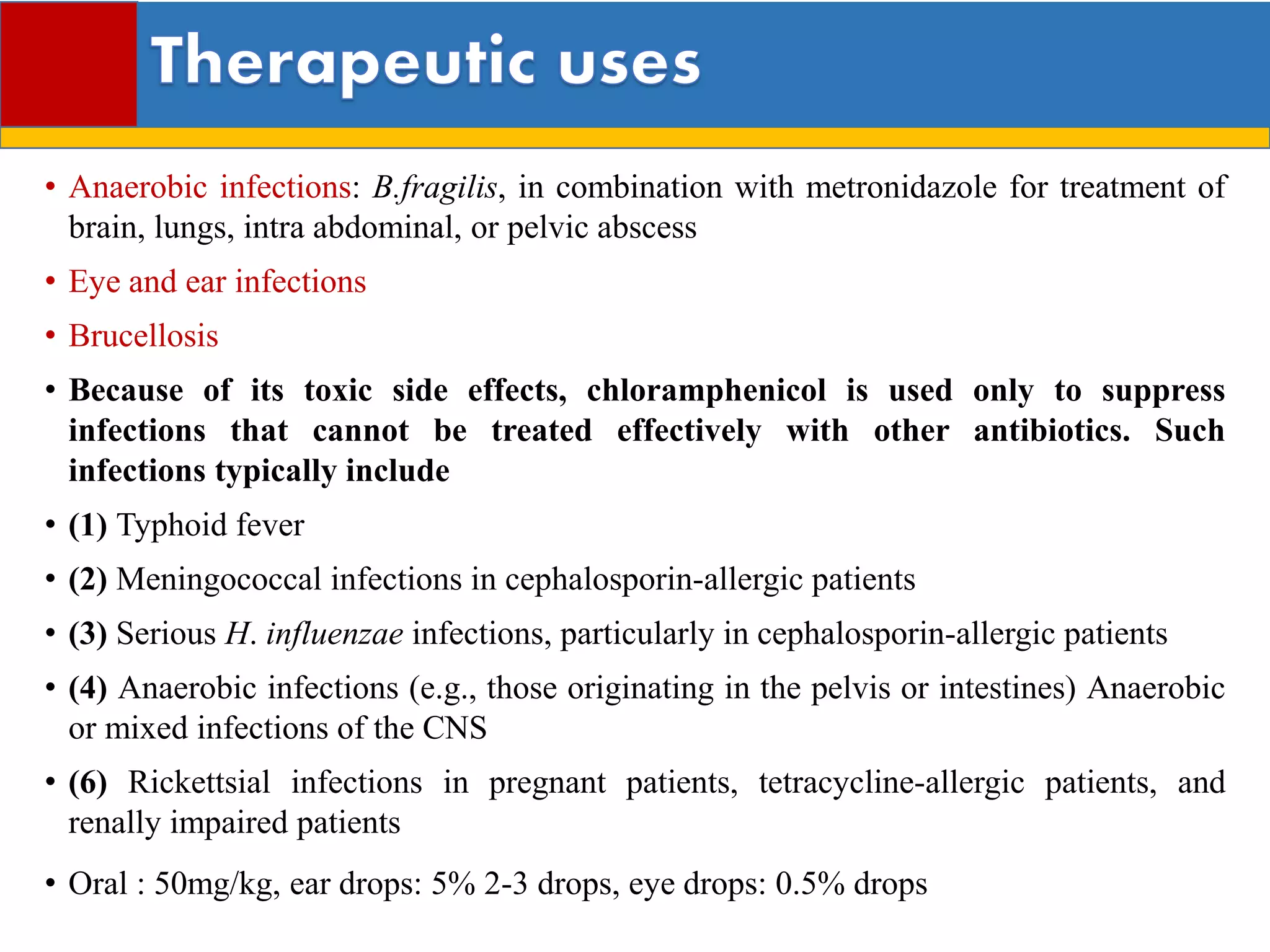
When doctors reach for chloramphenicol, it’s usually for infections where alternative treatments are unsuitable or unavailable. Common scenarios include:
- Severe meningitis caused by Haemophilus influenzae or Neisseria meningitidis, especially in patients allergic to β‑lactams.
- Typhoid fever and other serious salmonella infections in regions where resistance to fluoroquinolones is high.
- Eye infections such as conjunctivitis, where a topical ophthalmic preparation offers a convenient option.
- Certain anaerobic infections, particularly in the gastrointestinal tract, where oral therapy can reach the site of infection effectively.
In many high‑income countries, chloramphenicol is reserved for cases where first‑line antibiotics have failed or cannot be used. In low‑resource settings, however, it remains an essential drug on the WHO’s List of Essential Medicines, largely because it is inexpensive and stable without refrigeration.
Administration Routes and Dosage Forms
Chloramphenicol comes in several formulations: oral tablets, injectable solutions, and eye drops. The oral route is the most common for systemic infections, with doses typically ranging from 250 mg to 1 g per day, divided into several administrations. Intravenous or intramuscular injections are used for severe infections such as meningitis, allowing higher blood concentrations to be reached quickly.
Topical eye drops contain a much lower concentration, usually 0.5 % chloramphenicol, and are applied several times a day. Because the eye’s blood‑ocular barrier limits systemic absorption, the risk of systemic side effects is minimal with the ophthalmic form.
Potential Side Effects: What Patients Should Watch For
While chloramphenicol can be a lifesaver, it carries a reputation for serious adverse reactions. The most notable include:
- Aplastic anemia – a rare but potentially fatal condition where the bone marrow stops producing blood cells. This risk is dose‑independent and may appear weeks after therapy ends.
- Gray baby syndrome – an alarming reaction in newborns caused by their inability to metabolize the drug, leading to cyanosis, hypotension, and respiratory distress.
- Bone marrow suppression – typically reversible if the drug is stopped early.
- Gastrointestinal upset – nausea, vomiting, and loss of appetite are relatively common but usually mild.
- Allergic reactions – ranging from mild skin rashes to severe Stevens‑Johnson syndrome, though these are uncommon.
Because the risk of aplastic anemia, though low, is unpredictable, clinicians often limit the duration of therapy to the shortest effective course. Routine blood counts are recommended for patients on prolonged treatment.
Drug Interactions and Contraindications
Chloramphenicol is metabolized in the liver by the cytochrome P450 system, meaning it can interact with other medications that share this pathway. For example, concurrent use with warfarin may enhance anticoagulant effects, raising bleeding risk. Similarly, drugs that inhibit CYP2C9 or CYP3A4 can increase chloramphenicol levels, potentially heightening toxicity.
Pregnant women and nursing mothers should avoid systemic chloramphenicol because of the risk to the fetus or infant. The drug is also contraindicated in patients with a known history of aplastic anemia or hypersensitivity to the medication.
Monitoring and Follow‑Up
When chloramphenicol is prescribed, physicians typically order baseline blood work, including a complete blood count (CBC) and liver function tests. Follow‑up labs are repeated every one to two weeks for longer courses, allowing early detection of bone marrow suppression. If any signs of anemia, leukopenia, or thrombocytopenia emerge, the drug is discontinued promptly.
Patients should be educated to report symptoms such as unusual bruising, persistent fatigue, or shortness of breath—early indicators that warrant immediate medical attention.
Why Chloramphenicol Still Matters
Despite the shadow of serious side effects, chloramphenicol remains valuable for several reasons. First, its broad spectrum covers pathogens that have become resistant to many modern antibiotics. Second, its ability to cross the blood‑brain barrier makes it one of the few oral options for central nervous system infections when other drugs cannot be used. Finally, in resource‑limited settings, its low cost and stability make it a pragmatic choice.
Research continues into safer analogues and dosing strategies that might retain its antimicrobial strength while reducing toxicity. Until then, clinicians must balance its life‑saving potential against the need for vigilant monitoring.
Frequently Asked Questions
Can chloramphenicol be used for routine infections like strep throat?
Generally no. For uncomplicated streptococcal pharyngitis, first‑line agents such as penicillin or amoxicillin are preferred because they are safer, more effective, and carry fewer risks.
Is it safe to take chloramphenicol while pregnant?
Systemic chloramphenicol is contraindicated during pregnancy due to the risk of fetal bone marrow suppression. Topical eye drops may be used under strict medical guidance, but oral or injectable forms should be avoided.
How long does it take for side effects like aplastic anemia to appear?
Aplastic anemia can develop weeks to months after starting therapy, and sometimes even after the drug is stopped. Because it is unpredictable, regular blood monitoring is essential throughout treatment.
Are there any over‑the‑counter products containing chloramphenicol?
In many countries, chloramphenicol is prescription‑only due to its safety profile. Some ophthalmic preparations may be available without a prescription in certain regions, but systemic forms are tightly regulated.