Ukraine War 2024: Key Military Updates and Global View
Ukraine War Today: Frontline Overview
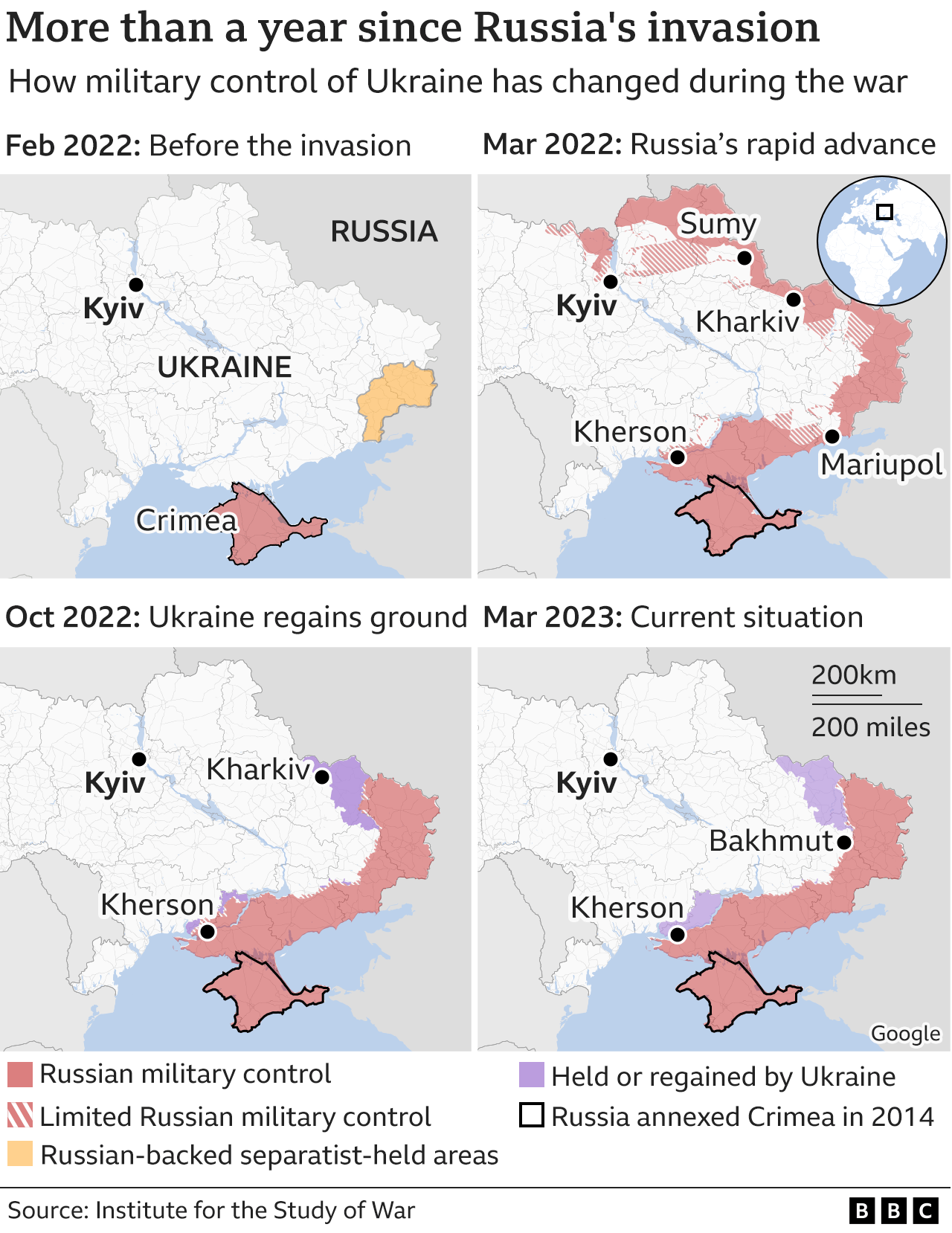
The fighting that erupted in February 2022 has settled into a grueling stalemate, and Ukraine war today looks less like rapid advances and more like a series of incremental gains and losses. Russian forces continue to hold onto a network of fortified positions in the east, while Ukrainian troops have sharpened their defensive tactics and begun targeted counter‑offensives in select sectors. The balance of power now hinges on artillery duels, drone reconnaissance, and the ever‑shifting supply lines that keep both sides in the field.
What the Latest Military Intelligence Reveals
Open‑source monitoring and satellite imagery point to three notable trends. First, Russia has been reinforcing its southern corridor toward the Black Sea, digging new trench systems and deploying additional air‑defense units. Second, Ukraine has intensified its use of Western‑supplied precision‑guided munitions, especially those capable of striking deep logistics hubs. Third, both sides are fielding a growing fleet of unmanned aerial systems, turning the sky into a contested arena that shapes ground movements as much as any artillery barrage.
Artillery and Missile Exchanges
Artillery remains the workhorse of the conflict. In the Donbas, Ukrainian brigades have adopted a “shoot‑and‑relocate” approach, firing from concealed positions before slipping back into cover. Russian units, for their part, rely heavily on older 152 mm howitzers, supplementing them with newer multiple‑launch rocket systems that can saturate a target area in seconds. The result is a constant rhythm of shelling that wears down morale and infrastructure alike.
Drone Warfare on the Rise
Small, commercially‑available drones now swarm the battlefield, delivering real‑time video that commanders on both sides use to adjust fire missions on the fly. Larger combat drones, supplied by NATO allies, have begun conducting strike missions against supply depots and command posts. The proliferation of counter‑drone jamming equipment suggests that the next phase of the war may be decided by who can dominate the electromagnetic spectrum.
International Military Support: A Shifting Landscape
Western nations have kept the flow of weapons and training steady, but political winds are changing. Some European governments, wary of escalation, have begun emphasizing defensive gear over offensive platforms. Meanwhile, non‑Western actors—most notably Iran and North Korea—continue to funnel limited arms to Russia, often under the radar of mainstream reporting. This tug‑of‑war over aid creates a complex supply matrix that influences which fronts see the most activity.
Key Contributions from NATO Allies
- United States: Advanced air‑defense systems and long‑range artillery.
- United Kingdom: Training programs for Ukrainian infantry and armored units.
- Poland and the Baltic states: Bulk shipments of ammunition and logistical support.
Emerging Aid from Non‑Traditional Partners
- Turkey has offered battlefield drones and spare parts, adding a new dimension to Ukraine’s aerial capabilities.
- South Korea has supplied armored personnel carriers, bolstering troop mobility in contested zones.
Humanitarian Implications of the Ongoing Combat
Every artillery strike and drone raid leaves a humanitarian footprint. Displaced civilians continue to seek shelter in makeshift camps that hover on the edges of the frontlines. Access to clean water and medical supplies is often dictated by which side controls a particular road or bridge. While the military update focuses on tactics and hardware, the human side of the conflict remains a stark reminder that each tactical decision reverberates through communities already stretched beyond capacity.
What Comes Next? Possible Scenarios for the Coming Months
Analysts outline three broad pathways. A “slow‑burn” scenario sees the conflict persisting with occasional breakthroughs but no decisive shift. A “rapid escalation” could emerge if either side receives a substantial new weapons package—such as long‑range missiles—that changes the operational calculus. Finally, a “negotiated pause” might arise from war‑weariness, prompting localized ceasefires that could lay the groundwork for broader talks. Which path unfolds will depend as much on political calculations in Brussels and Washington as on the next artillery barrage on the front.
FAQ
Q: How has the role of drones changed the dynamics of the Ukraine war?
A: Drones now provide near‑real‑time intelligence, allowing forces to adjust fire missions quickly. Smaller commercial drones are used for spotting, while larger combat drones can deliver precise strikes, making the airspace a contested domain that influences ground operations.
Q: Are Western weapons still arriving in significant quantities?
A: Yes, although the pace has moderated. Most shipments now focus on defensive systems—air‑defense, armored vehicles, and precision munitions—rather than large offensive platforms, reflecting a cautious approach by some donors.
Q: What are the main challenges for civilians caught in the conflict zones?
A: Access to basic services like water, electricity, and medical care is heavily dependent on which side controls local infrastructure. Frequent shelling also forces repeated displacement, making long‑term shelter and food security uncertain.
Q: Could the conflict expand beyond Ukraine’s borders?
A: While direct expansion is unlikely, spillover effects—such as refugee flows and cross‑border incidents involving stray artillery—remain possible, especially in neighboring regions already strained by the war.