Traditional Korean Fishing Boats: A Deep Dive Into History
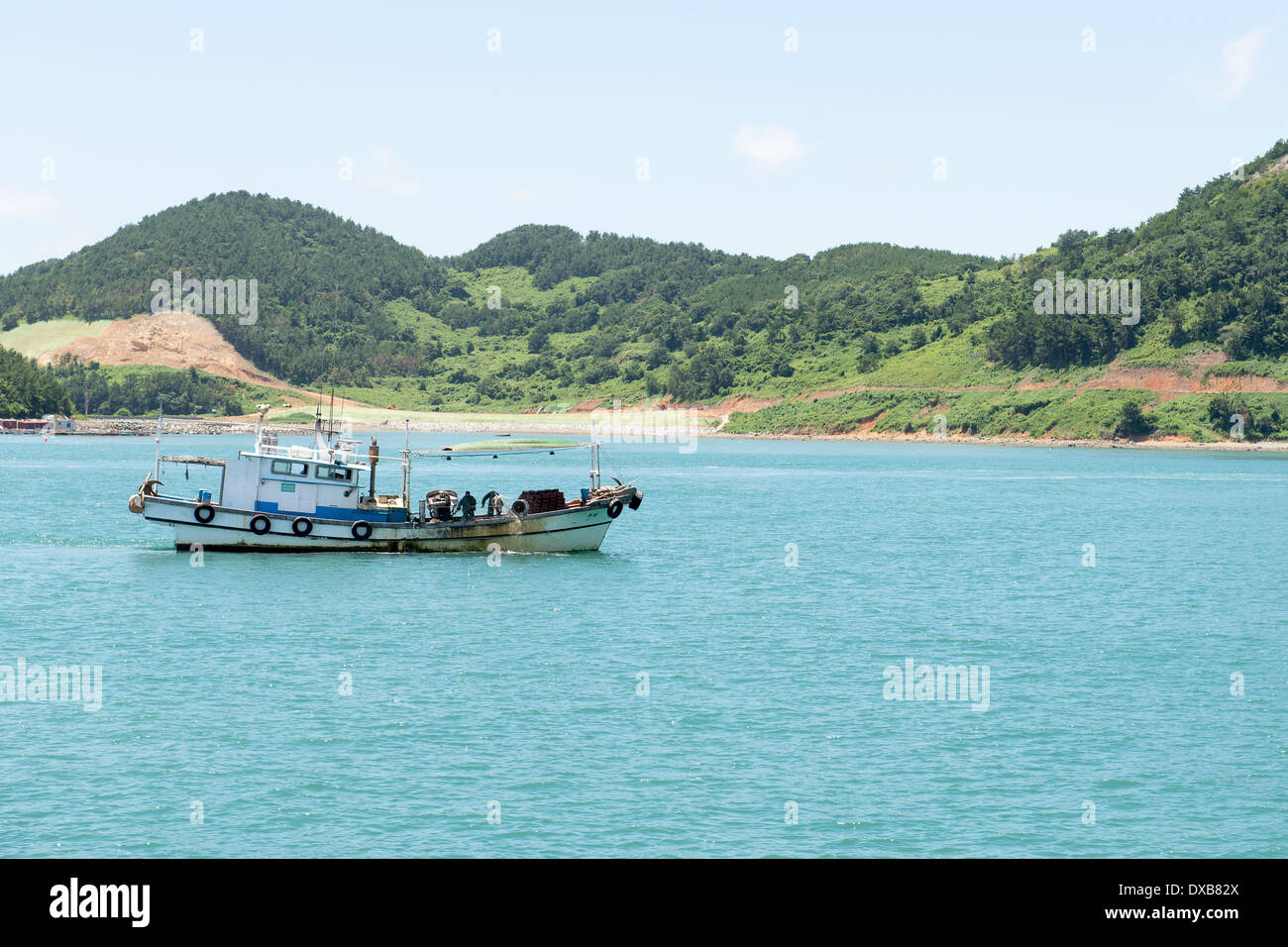
When you picture Korea’s coastal villages, the silhouette of a wooden boat gliding over gentle waves often comes to mind. Those vessels aren’t just any boats; they are the traditional Korean fishing boats that have sustained generations of mariners. Their story stretches back centuries, weaving together craftsmanship, geography, and a deep respect for the sea. This article unpacks the origins, design quirks, regional flavors, and modern preservation efforts surrounding these iconic watercraft.
Historical Roots: From Ancient Nets to Imperial Fleets
The earliest records of Korean fishing vessels appear in Goryeo-era paintings, where simple dugout canoes harvested the rich coastal waters. As trade routes expanded during the Joseon Dynasty, boatbuilders began incorporating sturdier hulls and larger sails to meet rising demand. By the 16th century, government registries listed dozens of boat types, each tailored to specific fish stocks and river conditions. This evolution wasn’t merely technological; it reflected the shifting balance between subsistence fishing and the burgeoning maritime commerce that linked Korea to China, Japan, and beyond.
Design Essentials of Traditional Korean Fishing Boats
What sets these boats apart is a blend of practicality and aesthetic finesse. Most feature a flat-bottomed hull, which grants stability in shallow tidal flats while allowing easy beaching during low tide. The bow often carries a decorative “dragon head” carving—more than ornamentation, it’s believed to ward off storms and bring good luck.
Construction typically relies on native pine or fir, chosen for its lightness and resistance to saltwater rot. Mortise-and-tenon joints, secured with wooden pegs, replace modern metal fasteners, giving the vessel a flexible spine that can absorb wave impact. A single, centrally positioned mast holds a modest rectangular sail made from hand‑woven hemp, ideal for catching the prevailing southerly breezes that dominate much of the Korean peninsula.
Regional Variations: From the East Coast to the Southwest
The Korean coastline is anything but uniform, and boatbuilders responded with distinct regional models. On the rugged eastern shore, where cliffs give way to narrow bays, fishermen favor the “geobukseon” style—a low‑profile craft with a sharply angled prow that can navigate tight inlets. Conversely, the southwestern archipelago, dotted with tidal flats, sees the prevalence of “jokdo” boats, which sport a broader beam and a shallow draft to maximize net deployment.
In the southern Jeju Island community, a unique “haenyeo” boat supports the famous female free‑divers. These vessels are lightweight, often equipped with a small outriggers system to provide extra balance when the divers surface. Each regional adaptation tells a story about local fish species, weather patterns, and cultural practices.
Materials and Tools: A Handcrafted Tradition
Boatwrights, known as “geobunja,” still employ age‑old tools such as adzes, drawknives, and wooden mallets. The selection of timber follows a ritualistic calendar, aligning tree harvesting with auspicious lunar dates. This timing is thought to ensure the wood’s resilience and to honor the spirits of the forest—a belief that adds a layer of reverence to the otherwise pragmatic craft.
Cultural Significance Beyond the Water
Traditional Korean fishing boats are more than workhorses; they are cultural icons. Annual festivals, like the Busan Sea Festival, showcase illuminated fleets sailing in unison, creating a dazzling tableau that draws tourists and locals alike. Folk songs (called “gugak”) often reference the rhythmic creak of wooden hulls, while paintings from the Joseon period depict these boats as symbols of national endurance.
Moreover, the boats embody a communal ethos. Building a vessel is a multi‑generational effort—elders share techniques, while younger apprentices learn through hands‑on participation. This apprenticeship system preserves intangible heritage that might otherwise be lost to industrialization.
Preservation Efforts: Keeping the Legacy Afloat
In recent decades, modern motorized vessels have eclipsed many traditional designs, prompting concerns about cultural erosion. To counter this, the Korean Cultural Heritage Administration designated several boat types as Important Intangible Cultural Properties. Funding now supports workshops where master craftsmen teach the mortise‑and‑tenon method to interested youths.
Non‑profit groups also organize “living museum” voyages, allowing visitors to experience a day aboard a traditional boat. These initiatives not only generate income for coastal communities but also spark renewed pride in maritime heritage. Some academic institutions collaborate with local shipyards, documenting construction techniques through 3D scanning, ensuring that future generations can replicate the designs even if the original artisans retire.
Modern Adaptations: Tradition Meets Innovation
While preservation remains paramount, some boatbuilders are experimenting with hybrid designs. For example, a select few have incorporated lightweight composite ribs alongside traditional wooden planks, creating vessels that retain classic aesthetics while offering improved durability. Solar‑powered lighting fixtures are now discreetly installed to aid nighttime fishing without compromising the boat’s historic silhouette.
These adaptations illustrate a delicate balance: honoring centuries‑old practices while embracing technologies that can extend the boats’ functional lifespan. The ongoing dialogue between old and new keeps the tradition alive, rather than frozen in a museum.
FAQ
- What materials were traditionally used to build Korean fishing boats? Primarily native pine or fir for the hull, with wooden pegs and mortise‑and‑tenon joints; sails were woven from hemp.
- How do regional boat designs differ across Korea? Eastern boats often have sharp, low‑profile bows for narrow bays, while southwestern models feature broader beams for tidal flats; Jeju’s haenyeo boats are lightweight with outriggers.
- Are any traditional fishing boats still in active use today? Yes, especially in cultural festivals and among communities preserving heritage fishing practices, though most commercial fishing now relies on motorized vessels.