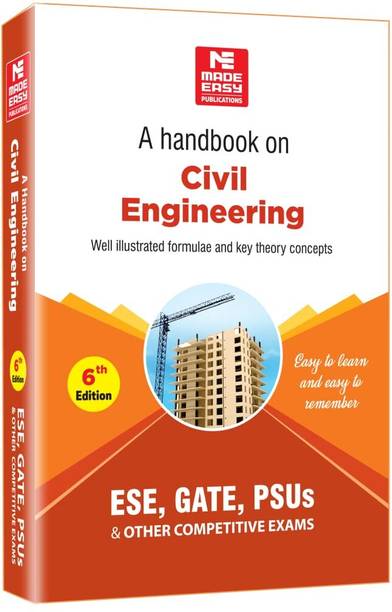
Top Advanced Civil Engineering Books Every Professional Should Read
When you’ve already mastered the basics, the next step is to dig into the more sophisticated theories and cutting‑edge practices that shape modern infrastructure. Advanced civil engineering books serve that purpose, offering deep dives into structural analysis, geotechnical design, transportation systems, and sustainable construction. Below is a curated list of titles that stand out for clarity, depth, and real‑world relevance, along with guidance on matching each book to your career stage.
Why Choose Advanced Texts?
Even seasoned engineers find value in resources that push beyond standard curricula. These books usually include:
- Comprehensive mathematical derivations that reinforce the “why” behind design codes.
- Case studies from landmark projects, illustrating how theory translates to practice.
- Discussion of emerging topics—like resilient design and digital twins—that keep you ahead of industry trends.
Investing time in such material can sharpen problem‑solving instincts, bolster confidence during complex design reviews, and even open doors to academic collaborations or consulting gigs.
Our Top Picks
1. Structural Analysis: Theory and Practice by R.C. Hibbeler
This classic balances rigorous derivations with intuitive explanations. Hibbeler walks you through matrix methods, finite element basics, and dynamic loading, all supported by hundreds of worked examples. Engineers appreciate the clear graphics and the “what‑if” design exercises that mimic real project constraints.
- Clear step‑by‑step solutions for indeterminate structures.
- Dedicated chapters on seismic and wind effects.
- Accompanying online resources for MATLAB implementations.
2. Geotechnical Engineering: Principles and Practices by Donald P. Coduto
Coduto’s text is a go‑to for anyone dealing with soil–structure interaction. It blends laboratory testing protocols with field case histories, making it useful for both design engineers and researchers. The later editions introduce sustainability metrics and probabilistic design, reflecting the field’s evolving standards.
- In‑depth coverage of soil mechanics, foundation design, and slope stability.
- Real project excerpts from tunneling and offshore foundations.
- Discussion of climate‑resilient ground improvement techniques.
3. Transportation Engineering: Planning and Design by C.S. Papacostas & P.D. Prevedouros
If your focus lies in moving people and goods efficiently, this volume offers a comprehensive look at traffic flow theory, roadway design, and emerging mobility concepts. The authors interweave policy considerations with technical solutions, a balance that’s essential for modern transportation planners.
- Advanced traffic simulation models and calibration methods.
- Coverage of transit‑oriented development and multimodal networks.
- Insights into autonomous vehicle integration and smart‑city infrastructure.
4. Sustainable Construction: Green Building Design and Delivery by Charles J. Kibert
Kibert’s book is more than a catalog of green materials; it frames sustainability as a systems problem. Readers explore life‑cycle assessment, embodied energy, and the economics of low‑impact construction, all illustrated with contemporary project case studies.
- Quantitative tools for evaluating carbon footprints.
- Guidelines for LEED, BREEAM, and other certification systems.
- Strategies for retrofitting existing structures to meet net‑zero goals.
5. Advanced Concrete Technology by Zongjin Li & Zongjin Li
Concrete remains the backbone of civil works, and this text dives into high‑performance mixes, durability challenges, and innovative curing methods. The authors also discuss digital modeling of concrete behavior, a niche that’s gaining traction in performance‑based design.
- Detailed treatment of ultra‑high‑performance concrete (UHPC).
- Case studies on long‑term durability in harsh environments.
- Integration of AI‑driven mix design optimization.
How to Pick the Right Book for Your Needs
Not every title will align with your current projects or learning goals. Consider these factors before committing:
- Specialization: Identify whether you need depth in structural mechanics, soil behavior, transportation systems, or sustainability.
- Practical vs. Theoretical: Some books lean heavily on mathematics, while others prioritize case studies and real‑world application.
- Edition Date: Engineering standards evolve; aim for the most recent edition or one that includes digital supplements.
- Learning Style: If you learn best from visual aids, choose texts rich in diagrams and CAD examples. For hands‑on learners, those with lab protocols and field exercise sections are ideal.
Once you’ve narrowed the list, skim the table of contents and read a sample chapter—many publishers offer PDFs. This quick check can confirm whether the writing tone, depth, and examples resonate with your daily challenges.
FAQs
What distinguishes a “advanced” civil engineering book from a standard textbook?
Advanced titles typically assume a solid foundation in basic principles and then expand into specialized topics, detailed derivations, and current industry practices. They often include recent case studies, updated design codes, and discussions of emerging technologies that standard texts may omit.
Are digital versions as effective as printed copies for complex calculations?
Digital editions are convenient for search and note‑taking, and many include interactive figures or software links. However, for intensive derivations and hand‑written sketches, many engineers still prefer a printed copy to annotate directly on the page.
How often should I refresh my library of advanced civil engineering books?
Given the pace of code revisions and technological advances, revisiting core titles every 4‑5 years is wise. Supplement them with newer monographs or conference proceedings to stay current on niche innovations like 3‑D printing of concrete or AI‑driven traffic management.
Can I rely on these books for licensing exam preparation?
While they provide deep insight, licensing exams often focus on code compliance and problem‑solving speed. Pair an advanced text with dedicated exam guides or practice problems to cover both depth and exam strategy.