The World’s Largest Ship: Facts, Stats, and What Sets It Apart
Understanding “Biggest Ship in the World” – What Does Size Really Mean?
When you hear the phrase biggest ship in the world, you might picture a massive container carrier stretching farther than a football field or a cruise liner that dwarfs an entire city block. But “biggest” can refer to several dimensions: length, gross tonnage, deadweight, or cargo capacity measured in TEU (twenty‑foot equivalent units). Each metric tells a different story about a vessel’s purpose, engineering challenges, and economic impact.
The Record‑Breaking Giant That No Longer Sails
For decades the title belonged to Seawise Giant, later renamed Knock Nevis. Launched in 1979, she measured a staggering 458 meters (1,504 feet) from bow to stern and displaced over 1.5 million deadweight tons. Built as a super‑tanker for crude oil, she could carry roughly 4 million barrels in a single voyage. After the 1980s oil price crash, the ship spent years laid up, eventually being converted into a floating storage unit before being scrapped in 2010. Although she never sailed fully loaded under her own power again, her sheer scale remains a benchmark for shipbuilders.
Today's Contenders: Size by Category
Modern ship design no longer chases a single “largest ever” record. Instead, different vessel types dominate their own niche. Here’s a quick look at the current leaders:
- Longest Operational Vessel – The HMM Algeciras and its sister ships stretch 399.9 meters (1,312 feet) and boast a capacity of 23,964 TEU. These ultra‑large container ships (ULCS) set the bar for global trade routes.
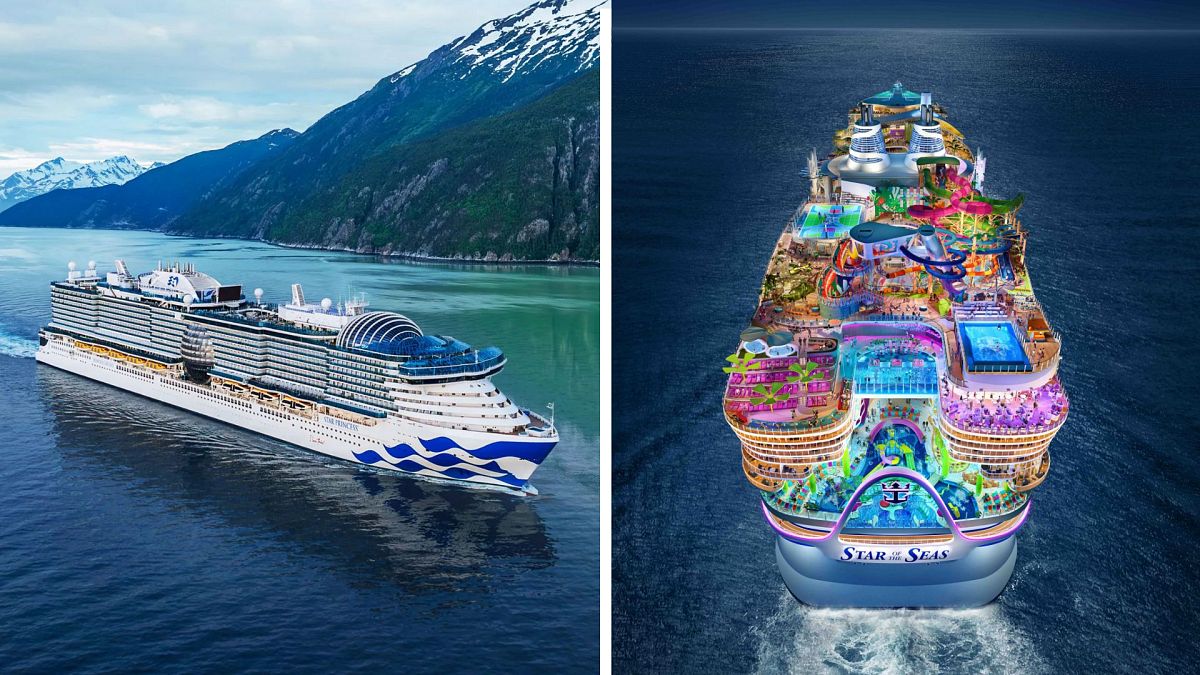
- Largest Cruise Ship – Royal Caribbean’s Wonder of the Seas tops the hospitality deck with a gross tonnage of 236,857 GT, 18 decks, and space for nearly 7,000 passengers and crew.
- Heaviest Bulk Carrier – The Vale Brasil, a massive ore carrier, displaces 402,347 DWT and can haul 400,000 tonnes of iron ore in a single load.
- Most Spacious Container Ship – Launched in 2022, the Ever Ace edges out its peers with a record‑setting 23,992 TEU capacity, thanks to an innovative “wide‑body” design that adds an extra row of containers on each deck.
Why Build Bigger? The Economics Behind Mega‑Ships
Scaling up a vessel isn’t just an engineering brag‑fest; it’s a calculated business decision. Larger ships can spread fuel costs, crew wages, and port fees over a greater amount of cargo, driving down the cost per unit. For container lines, a single ULCS can replace several smaller vessels on a busy Asia‑Europe lane, trimming transit times and emissions per TEU.
However, the benefits taper off. Diminishing returns set in when a ship exceeds the dimensions of most ports, forcing it to call only a handful of “mega‑port” hubs equipped with deep berths and massive cranes. The trade‑off becomes longer wait times for loading and unloading, which can erode the cost advantage.
Engineering Challenges of the Massive
Building a ship that stretches beyond 400 meters is no small feat. Structural integrity demands a reinforced hull, often using high‑strength steel and advanced welding techniques. The vessel’s flex – known as “hogging” and “sagging” – must be countered with internal bracing and sophisticated ballast systems.
Propulsion presents another puzzle. Traditional diesel engines become unwieldy at this scale, prompting designers to adopt dual‑fuel gas turbines, liquefied natural gas (LNG) systems, or even hybrid electric drives. The Wonder of the Seas, for instance, employs four Azipod propulsion units, giving it maneuverability comparable to a much smaller ship.
Environmental Impact: Bigger Isn’t Always Greener
While mega‑ships lower the carbon footprint per cargo unit, they also concentrate emissions and waste in a single hull. International Maritime Organization (IMO) regulations now require ships over 400 GT to implement exhaust gas cleaning systems (scrubbers) and meet stricter sulfur limits. Some new builds are even experimenting with wind‑assisted propulsion – a modern take on sails – to offset fuel use.
In the cruise sector, the massive passenger load translates to higher energy demands for air‑conditioning, lighting, and entertainment. Operators counter this with advanced wastewater treatment plants and shore‑power capabilities that let the ship draw electricity while docked, reducing emissions in port cities.
What the Future Holds for Record‑Breaking Vessels
The race for size isn’t over. Shipyards in South Korea and China are already drafting plans for “mega‑ULCS” that could exceed 25,000 TEU, pushing the envelope of port infrastructure worldwide. Meanwhile, a new generation of “green ships” aims to combine size with sustainability, leveraging hydrogen fuel cells or fully electric propulsion for short‑haul routes.
For now, the title of biggest ship in the world remains fluid, shifting with each breakthrough in design, regulation, and market demand. Whether you’re watching a massive container carrier glide through the Suez Canal or a cruise liner glimmering against a sunset, the sheer scale of these floating cities never fails to awe.
Frequently Asked Questions
What is the largest ship currently in service?
The Wonder of the Seas holds the crown for the biggest operational cruise ship by gross tonnage, while the Ever Ace leads container vessels in TEU capacity.
How does a ship’s size affect its fuel consumption?
Larger vessels generally achieve better fuel efficiency per cargo unit because they carry more load per trip, but absolute fuel use rises with size, and they require more powerful engines to maintain speed.
Why aren’t all ships built to be as big as possible?
Port limitations, higher construction costs, and diminishing returns on economies of scale mean that shipowners often opt for a size that matches their trade routes and available infrastructure.
Are there any plans for a ship larger than the current record‑holders?
Yes. Several shipyards are drafting designs for ultra‑large container ships capable of over 25,000 TEU, and cruise lines are exploring even larger floating resorts, though regulatory and port constraints remain key hurdles.